
Blog
How Do You Clear a CO Hold After the Fact in Florida?
Stuck with a CO hold on a Florida property? Learn why holds happen, how after-the-fact permits work, and the steps to resolve it.
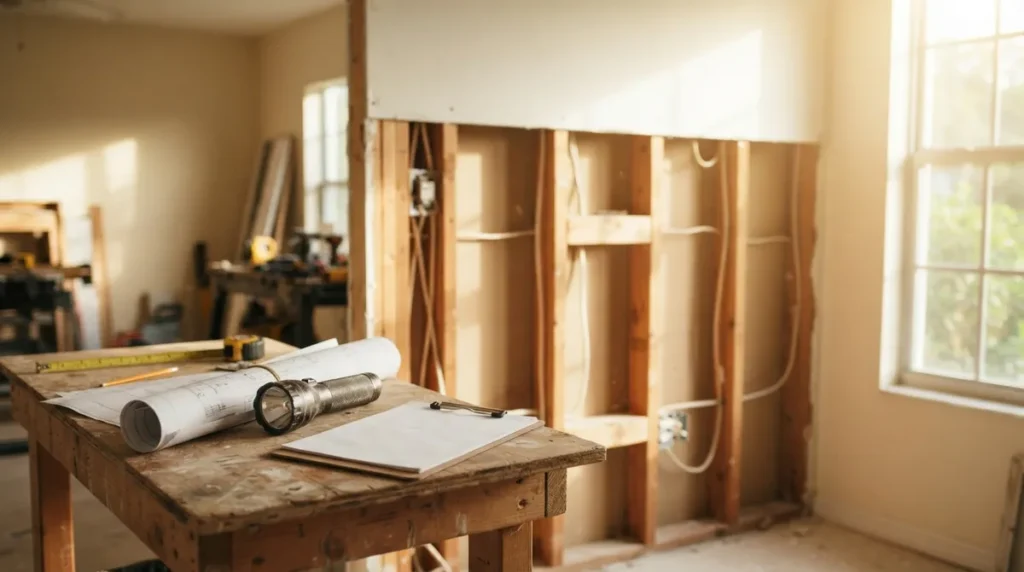
Key Takeaways
-
A CO hold means the building department won't release a certificate of occupancy until a specific issue is cleared, and the exact reason must be requested in writing from the jurisdiction.
-
Holds commonly stem from unpermitted work, open or expired permits, failed inspections, code-enforcement cases, unpaid fees, or missing outside approvals, and several often overlap.
-
Confirm which jurisdiction controls the address (city or county), then pull permit history and code-enforcement records to pinpoint the exact hold cause before acting.
-
An after-the-fact permit does not automatically legalize work; the building department may require as-built drawings, sealed engineering, inspections, corrections, or even removal of non-compliant work.
-
Concealed work may require selective wall openings, photos, or engineer field verification, and a well-prepared documentation package can limit how much needs to be opened.
-
Code-enforcement cases must be formally closed with written confirmation and any lien released, since a hold can persist in the system even after the work is completed.
Picture this: the final walkthrough is done, the buyer's lender is waiting, the crew has packed up, and then the building department tells you there is a hold on the certificate of occupancy. Your stomach drops. If you have been typing looking for co hold resolution after the fact Florida into a search bar at midnight, take a breath. You are far from the first person to land here, and this problem is very fixable.
In Florida permitting, a CO hold usually means the local building department will not issue (or release) a certificate of occupancy until something is resolved. That something might be unpermitted work, an open permit, a code-enforcement case, a missing approval, or unpaid fees. The good news is that there is a clear path forward, even when the work was finished before anyone pulled a permit.
In this guide, we will walk through what a CO hold really is, how to find out exactly why it was placed, and the step-by-step process for resolving it after the fact. We will also cover costs, timelines, and when it makes sense to bring in a pro. Whether you are a contractor, solar company, realtor, investor, or homeowner, you will leave with a game plan.
What a CO Hold Means in Florida
A certificate of occupancy (CO) confirms that a building was completed in compliance with the permitted plans and the Florida Building Code, and that it is safe to occupy. A "hold" means the issuing jurisdiction has flagged the property or permit record so the CO cannot be released until the flagged issue is cleared.
Here is the tricky part: the phrase "CO hold" is not a single, statewide legal term with one universal process. Every city and county runs its own system. A hold in one jurisdiction might be a note on a permit record; in another, it might be a formal code-enforcement flag tied to the parcel.
It is also worth knowing that a certificate of occupancy is not always the right document. Depending on the project, a jurisdiction may issue a certificate of completion instead, or may not require a CO at all. If you are unsure which applies, our guide on certificate of occupancy vs. certificate of use can help you sort it out.
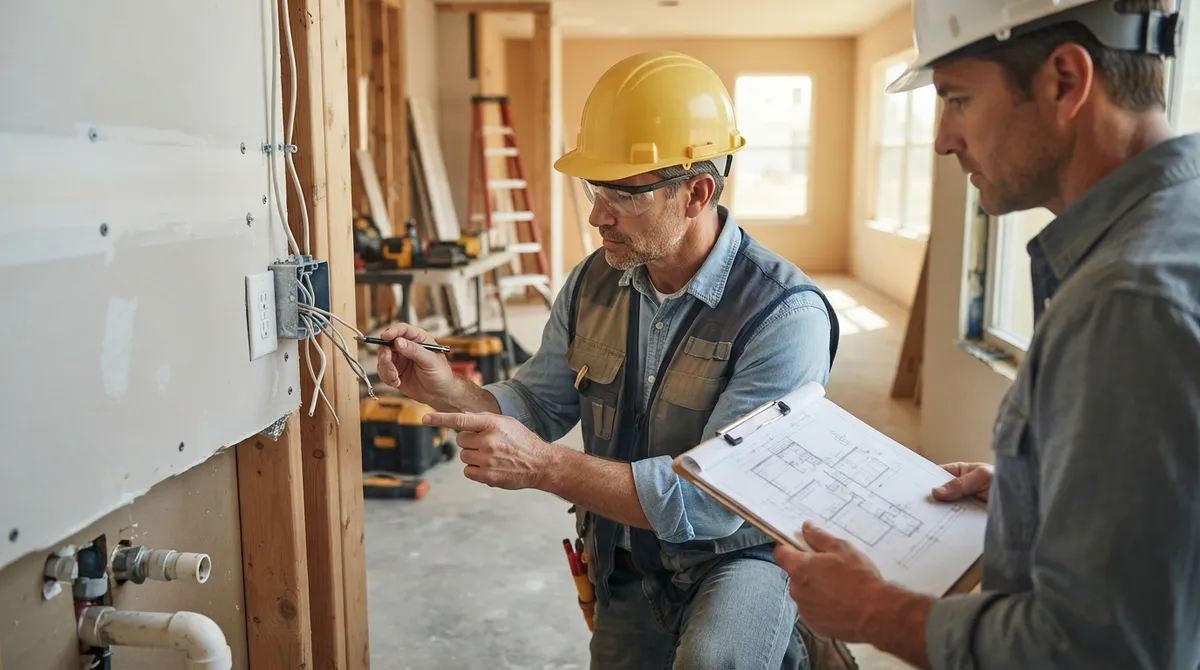
Common Reasons a CO Gets Held
Before you can fix a hold, you have to know what is causing it. In our experience, most holds trace back to one of the following:
- Unpermitted work: A remodel, addition, enclosure, roof, or electrical or plumbing change that was done without a permit.
- Open or expired permits: A prior permit that never received final inspection, or lapsed before closeout.
- Failed or missing inspections: Required inspections were skipped, or a final inspection failed and was never re-done.
- Code-enforcement cases: An active violation or lien tied to the property.
- Unpaid fees: Impact fees, permit fees, or fines still outstanding.
- Missing outside approvals: Sign-offs from fire, health, zoning, utilities, or other agencies.
Many holds involve more than one of these at once, which is why a quick, accurate diagnosis matters so much.
Step One: Find Out Exactly Why the Hold Exists
Do not guess. Get the reason in writing. The issuing jurisdiction's permit and code-enforcement records are your best starting point.
- Confirm the jurisdiction. Properties near city lines are sometimes governed by the county, not the city. Our building department lookup tool helps you confirm who actually controls your address.
- Pull the permit history. Search for open, expired, or incomplete permits using our open permit search and the local portal.
- Check code-enforcement records. Look for open cases, notices of violation, or recorded liens.
- Request the hold details in writing. Ask the building department or code-enforcement office for the specific hold reason, any violation notice, and the list of required corrections.
- Review fees owed. Ask for an itemized statement so nothing surprises you later.
Once you know the real cause, the rest of the process becomes much less scary.
The After-the-Fact Resolution Roadmap
If the hold exists because work was completed before a permit was obtained, you will almost always be looking at an after-the-fact permit. Here is the general sequence. Requirements vary by municipality and county, so treat this as a roadmap rather than a rulebook.
- Get the hold or violation details in writing. This is your target list.
- Confirm the responsible jurisdiction and property record. Make sure you are working with the right department and parcel.
- Apply for the required after-the-fact permit(s). Each trade (building, electrical, plumbing, mechanical, roofing) may need its own permit.
- Submit existing-condition plans and supporting documents. This often means as-built drawings, and sometimes sealed engineering.
- Complete required inspections and corrections. Inspectors verify that the work meets code, and anything that does not will need to be corrected.
- Close related permits and enforcement cases. A cleared violation is a closed record, not just a fixed problem.
- Pay all applicable fees.
- Request CO issuance or release of the hold. Once everything is closed, formally ask for the CO or the hold release.
If this feels like a lot of moving parts, that is because it is. That is exactly why many people hire help for after-the-fact and expired permits.
An After-the-Fact Permit Is Not an Automatic Pass
This is the part that surprises people. Applying for an after-the-fact permit does not automatically legalize the work. The building department reviews it, and it must be shown to comply with the code that applies. Depending on what they find, they may require plans, inspections, corrections, or even removal of work that cannot be shown to comply.
The good news is that most projects can be brought into compliance with the right documentation. For a deeper look at what is typically involved, see our walkthrough on how to legalize unpermitted work in Florida.
What Documents You May Need
Every jurisdiction has its own checklist, but these items come up again and again:
| Document | Why It Is Needed | Who Usually Provides It |
|---|---|---|
| As-built or existing-condition drawings | Shows what was actually built so reviewers can evaluate it | Drafter or design professional |
| Signed and sealed plans or engineer letter | Verifies structural or system compliance | Florida-licensed engineer or architect |
| Product approvals or NOAs | Confirms windows, doors, roofing, or other products are approved for use | Contractor or manufacturer |
| Contractor and license information | Identifies who performed the work | Contractor or owner |
| Site plan or survey | Documents setbacks, lot coverage, and placement | Surveyor or drafter |
| Proof of fee payment | Clears outstanding balances | Owner or representative |
Our team can prepare as-built drawings and engineer letters in house, which keeps the whole package under one roof.
Will You Have to Open Walls?
This is one of the most common worries, and the honest answer is: sometimes. If work is concealed, such as framing, wiring, plumbing, or insulation behind finished surfaces, inspectors may need proof that it meets code. Depending on the jurisdiction and the situation, that could mean selective openings, access panels, photos, or additional engineering evaluation.
A well-prepared package can often limit how much opening is needed. An engineer's field verification, combined with clear documentation, goes a long way. It is not guaranteed, though, and the final call belongs to the building official.
How Long Does Resolution Take, and What Does It Cost?
We wish there were one clean number, but there is not. There is no statewide standard fee, penalty, or processing time for after-the-fact permits or CO-hold resolution. Timelines and costs depend on the jurisdiction, the scope of work, how complete your documents are, and whether corrections are required.
Here is what generally drives both:
| Factor | Effect on Timeline | Effect on Cost |
|---|---|---|
| Scope of unpermitted work | Larger scope means more review and inspections | More permits and trades add fees |
| Need for engineering | Adds time for evaluation and sealing | Engineering and drafting fees |
| Concealed work | May require openings and re-inspection | Repair and restoration costs |
| Reviewer comments | Each round of revisions adds days or weeks | Resubmittal fees possible |
| Open enforcement cases | Must be closed before CO release | Fines or administrative fees may apply |
| Document completeness | Complete packages move faster | Fewer resubmittals saves money |
To get a feel for budgeting, our article on after-the-fact permit costs in Florida breaks down the typical cost drivers. For current figures, always check with your local building and code-enforcement departments.
A Note on Florida Statute 553.791 and Private Providers
You may have seen references to Florida Statutes section 553.791, which addresses private-provider plan review and inspections. For covered private-provider projects, the statute includes conditional timelines: a local building official generally has up to 10 business days to issue a CO or certificate of completion, or to identify specific deficiencies, after receiving the required request, compliance certificate, other required government approvals, and outstanding fees. For single-family or two-family dwelling permits, that period is 2 business days.
Here is the important caveat. Those timelines are conditional. They apply only when the statute's requirements are met, and they are not a universal deadline for clearing every CO hold or processing every after-the-fact permit. Always verify the current statutory text and how it applies to your project with the building department or an attorney.
That said, a licensed private provider can be a real advantage in the right situation, because plan review and inspections do not have to wait in the county queue. You can learn more about private provider inspections and how they compare in our guide on private provider vs. building department in Florida.
Clearing Code-Enforcement Liens and Violations
Sometimes the hold is not about the permit at all. It is tied to a code-enforcement case or a recorded lien. In that situation, the sequence usually looks like this:
- Obtain the notice of violation and the specific corrective actions required.
- Complete the work or secure the permits needed to cure the violation.
- Pass final inspection and request a code-enforcement re-inspection.
- Pay any fines or administrative fees that apply.
- Get written confirmation that the case is closed and the lien (if any) is released.
Skipping the written confirmation is a classic mistake. A hold can stay in the system even after the work is done if no one formally closes the case. If you are dealing with this now, our code compliance violations service can take that off your plate.
Who Faces This Problem, and What They Should Do
CO holds show up in lots of different situations, and each audience has its own priorities:
- General contractors: Often inherit holds from a prior contractor or a subcontractor who skipped a permit. Document everything and loop in the owner early.
- Solar companies: Holds can stem from missing electrical or structural documentation. Clean, code-compliant packages prevent most of them.
- Realtors and investors: A hold can derail a closing. Find out early, ideally before the contract deadline, using resources like our realtor closing support.
- Homeowners: Often discover a hold only when selling or refinancing. Start with a records search and get a clear written list of what is needed.
When It Makes Sense to Hire a Permitting Pro
You can absolutely work through this on your own, especially for a simple open permit. But a pro tends to pay for itself when the situation involves multiple trades, concealed work, an active enforcement case, or a hard closing date.
1 Contractor Solutions works as Florida's outsourced permitting department. We identify the jurisdiction that actually controls your address, prepare or review the plans, file and track the application, work every reviewer comment, and carry it through closeout. Because our drafting and engineering are in house, and our own engineer signs and seals the work, we fix reviewer flags directly instead of waiting on an outside consultant. If a closing is on the line, our urgent permit rescue team is built for exactly that.
Curious how other clients feel about working with us? You can visit us on Google — 1 Contractor Solutions and see what customers say. You can also follow us on LinkedIn or follow us on Facebook for Florida permitting tips and updates.
Quick Tips to Avoid Future CO Holds
- Always confirm permits are pulled before work begins.
- Keep copies of every permit, inspection record, and final sign-off.
- Request final inspections promptly so permits do not expire.
- Verify a contractor's license and municipality registration before hiring.
- Run an open permit search before buying or listing a property.
Ready to Clear Your CO Hold?
A CO hold feels stressful, but it is rarely a dead end. Identify the exact reason, follow the after-the-fact roadmap, document everything, and close out every record, and you can get to that certificate. If you would rather have an experienced team do the heavy lifting, we are here around the clock with a 30-minute response time, day or night. Reach out today to get a free quote and let us help you turn that hold into a green light.
FAQs
What does a CO hold mean on a Florida property?
A CO hold means the local building department has flagged the property or permit record so a certificate of occupancy cannot be issued until the issue is resolved. Common causes include unpermitted work, open permits, code-enforcement cases, unpaid fees, or missing approvals. The exact hold reason and process vary by city and county.
Can I get an after-the-fact permit in Florida for work completed without a permit?
Yes, most jurisdictions have a process for reviewing work that was finished before a permit was pulled. Just remember that approval is not automatic. The building department may require plans, inspections, corrections, or removal of anything that cannot be shown to comply with code.
How long does it take to resolve a CO hold in Florida?
There is no statewide standard timeline, so it really depends on your jurisdiction, the scope of work, and how complete your documents are. Simple open-permit holds can move quickly, while cases involving engineering, concealed work, or enforcement can take longer. The conditional timelines in Florida Statutes 553.791 apply only to certain private-provider projects, not every hold.
Will I have to open walls or remove finished work for an after-the-fact inspection?
Sometimes, yes, especially when work is concealed and inspectors cannot verify it. Selective openings, photos, or an engineer's field verification can often reduce how much needs to be exposed. The final decision rests with the local building official.
Can a Florida permitting consultant help clear a CO hold?
Absolutely. A permitting team can identify the true cause of the hold, prepare as-built plans and engineering, file and track the after-the-fact permits, coordinate inspections, and close out related records. That saves you time and helps you avoid repeated rejections.
We do this work every day across all 67 Florida counties. Call (866) 314-6931 and we will tell you what your situation actually requires — including when you do not need us.
Related services
Permit Facilitation & Filing
You have a crew scheduled, a client asking for dates, and a permit sitting somewhere in a queue you cannot see. We file it, w…
See the servicePlan Review Coordination
A permit in plan review is not one queue. On a commercial project it can be six queues, each with its own reviewer, its own c…
See the serviceReady to get your permit moving?
One call tells you which jurisdiction controls your project, what it will take, and what it will cost. Most of the time we can scope it on the phone.