
Blog
Florida Inspector Investigations for Unpermitted Work Explained
Learn what an inspector investigation for unpermitted work in Florida involves, how it starts, and how to resolve it with expert permitting help.
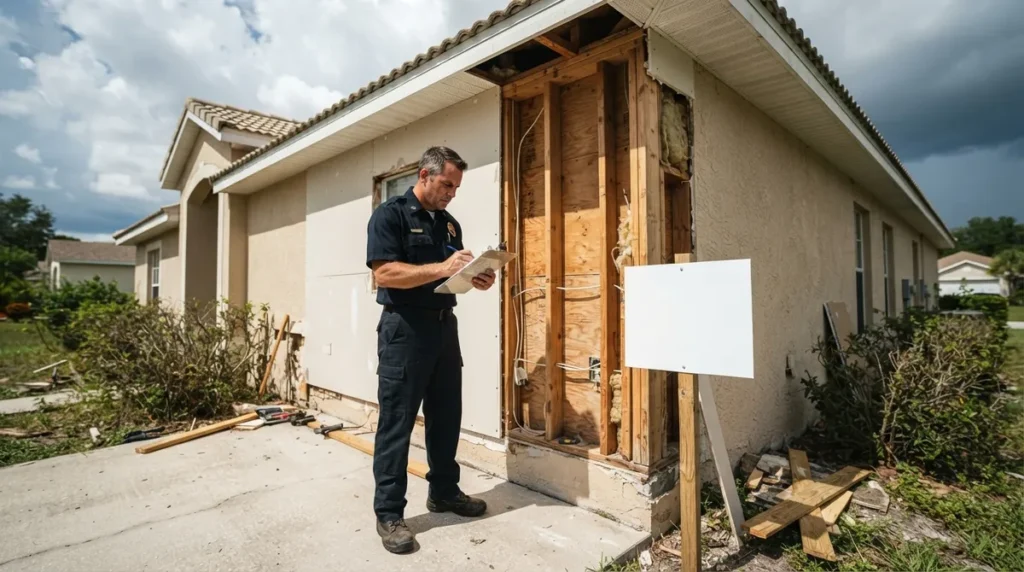
Key Takeaways
-
Property owners bear ultimate legal responsibility for unpermitted work in Florida, even if a contractor performed the labor; licensed contractors may face separate enforcement consequences through the Department of Business and Professional Regulation.
-
After-the-fact permits don't automatically approve unpermitted work; building officials must still review plans and inspect the completed construction against Florida Building Code requirements, potentially requiring walls or finishes to be opened for verification.
-
Unpermitted work investigations typically follow a predictable sequence: records check, site visit, code review, determination, and notice issuance; outcomes range from notices of violation to stop-work orders depending on severity and code compliance.
-
Unpermitted work can derail real estate transactions because lenders hesitate to finance properties with open code violations and title companies flag these issues; running open permit searches early helps identify problems before closing.
-
Performing permit-required work without a permit carries serious legal consequences in Florida: first violations may be charged as first-degree misdemeanors, repeat offenses as third-degree felonies, with civil penalties reaching $2,500 per day per violation.
-
An inspector investigation for unpermitted work is triggered by specific events: neighbor complaints, inspector observations during unrelated permit reviews, gaps found during real estate transactions, or referrals from other agencies like code enforcement.
Picture this: you're getting ready to sell your Bradenton home, refinance your Tampa duplex, or wrap up a solar install in Sarasota, and suddenly a building inspector shows up asking questions about work that doesn't match your permit history. Take a breath — you're not alone, and this happens more often than most Florida property owners realize. An inspector investigation for unpermitted work is simply the process a local building department uses to figure out whether construction on a property was done legally, with the right permits and inspections along the way.
We know this topic can feel intimidating, especially when a stop-work order lands on your door or a real estate closing suddenly stalls. That's exactly why we're breaking it down here in plain, friendly language. Whether you're a general contractor juggling multiple jobsites, a solar company racing against interconnection deadlines, a realtor trying to save a deal, or a homeowner who just found out grandma's old sunroom was never permitted, this guide will walk you through what these investigations actually involve and how to come out the other side with a clean, compliant property.
What Triggers an Inspector Investigation for Unpermitted Work in Florida?
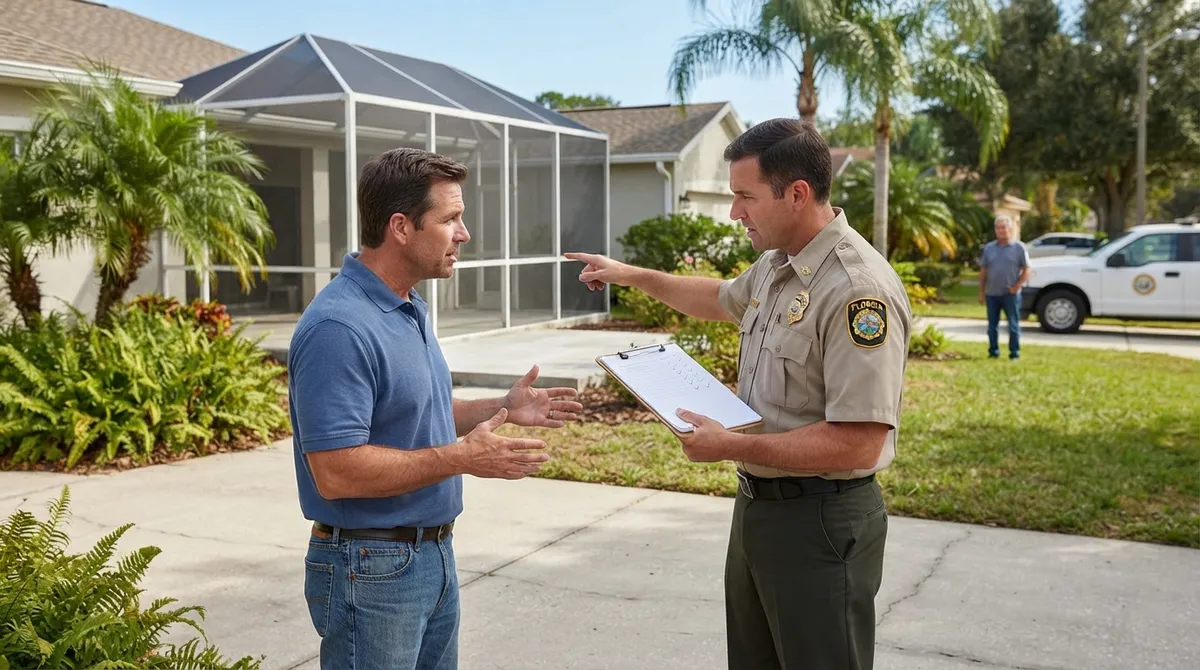
An inspector investigation for unpermitted work is a formal review conducted by a city or county building department, or sometimes a code-enforcement division, to determine whether construction, alteration, repair, demolition, or site work happened without the required permit or without passing required inspections. These investigations don't happen randomly — they're almost always sparked by something specific.
- A neighbor or passerby files a complaint about visible construction activity
- A building inspector notices unpermitted changes while inspecting for an unrelated permit
- A permit-history review during a real estate sale or refinance uncovers gaps
- An insurance adjuster or appraiser flags mismatched square footage or additions
- Another agency, like code enforcement or the fire marshal, makes a referral
Under Florida Statutes §§553.79 and 553.80, it's generally unlawful to construct, alter, repair, or demolish a structure without first securing a permit from the proper local enforcing agency, unless a specific exemption applies. Because enforcement approaches differ from one Florida city or county to the next, the first smart move is always confirming exactly which jurisdiction has authority over your property — something our Building Department Lookup tool can help clarify quickly.
How the Investigation Process Actually Works
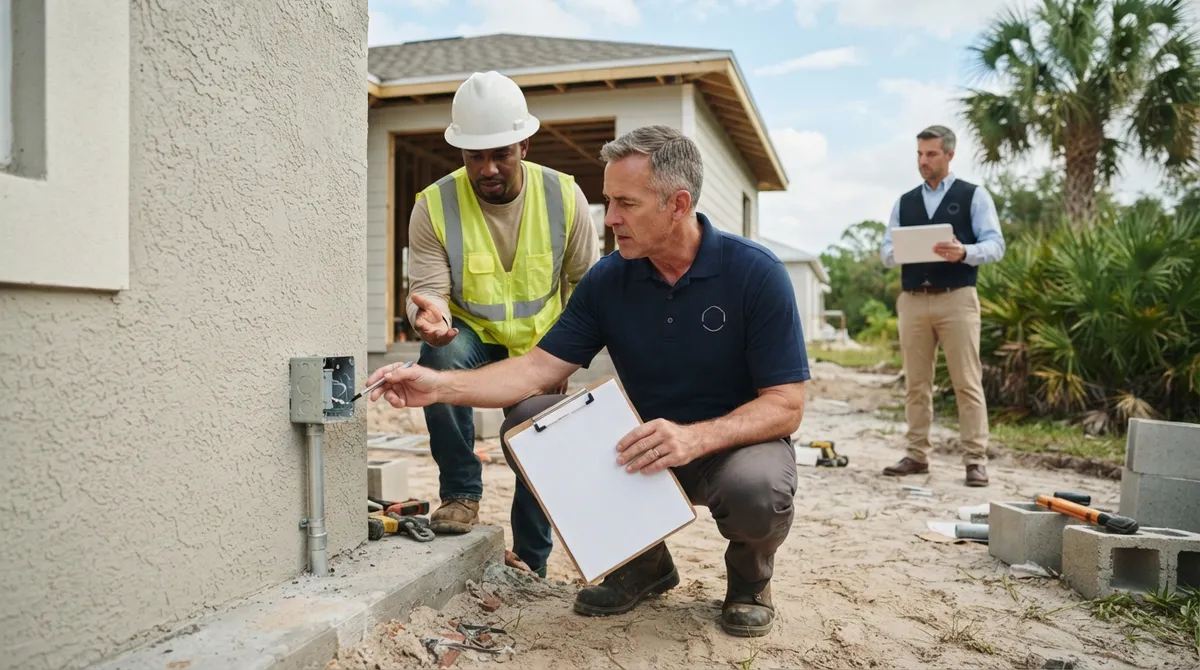
Once an investigation opens, the process tends to follow a fairly predictable sequence, though timelines and paperwork vary widely by county. Here's a general roadmap of what property owners can expect.
Step-by-Step: What Happens During the Review
- Records check: The inspector or code officer pulls permit history for the address to see what work was previously authorized.
- Site visit: An inspector visits the property to compare what's actually built against what's on file, often taking photographs for documentation.
- Code review: The inspector identifies which Florida Building Code provisions apply to the observed work — structural, electrical, plumbing, mechanical, gas, or life-safety systems.
- Determination: If concealed work can't be verified visually, the agency may require walls, ceilings, or finishes to be opened up so inspectors can see structural framing or rough-in systems.
- Notice issued: If a violation is confirmed, the owner typically receives a notice of violation, correction notice, citation, or in more serious cases, a stop-work order.
This is where things can get stressful fast, especially if you weren't the one who did the unpermitted work in the first place. We hear this constantly from realtors and homeowners who inherited a problem from a previous owner or a contractor who cut corners.
Common Outcomes and What They Mean for You
Not every investigation ends the same way, and the outcome largely depends on the scope of the work, the severity of any code violations, and how cooperative the response is. Here's a quick breakdown of typical results.
| Outcome | What It Means | Typical Next Step |
|---|---|---|
| Notice of Violation | Formal documentation that unpermitted work was found | Owner must apply for after-the-fact permit |
| Stop-Work Order | All construction activity must halt immediately | Resolve violation before resuming any work |
| Correction Notice | Minor code issues identified, correction required | Fix issues and schedule re-inspection |
| Citation | Formal charge that may include fines | Respond by deadline, may involve hearing |
| Case Closed | Work verified as compliant or permit obtained | No further action needed |
According to Florida Statutes §489.127, performing permit-required work without a permit can carry real consequences for unlicensed individuals — a first violation may be charged as a first-degree misdemeanor, while a repeat offense can escalate to a third-degree felony. Civil penalties for licensing violations can reach up to $2,000 in certain circumstances, and local enforcement boards or special magistrates may impose penalties of up to $2,500 per day per violation. These numbers underscore why addressing an investigation promptly, rather than ignoring it, is almost always the better path.
Can You Get an After-the-Fact Permit?
One of the most common questions we hear is whether unpermitted work can simply be legalized after the fact. The good news is: often, yes. The not-so-simple part is that an after-the-fact permit doesn't automatically approve the work just because you've applied for one.
The local building official still has to review plans and inspect the completed (or partially completed) construction to confirm it meets applicable Florida Building Code requirements. If compliance can't be verified without seeing concealed elements, the agency may require you to open up finished walls, ceilings, or floors — or in worst-case scenarios, remove and rebuild noncompliant work entirely.
This is precisely where working with an experienced Florida permitting team pays off. Our After The Fact Expired Permits service exists because we've seen firsthand how confusing and stressful this process can be without guidance. We help gather as-built documentation, coordinate with structural or MEP engineers when needed, and prepare a correction plan that speaks the building department's language.
What You'll Likely Need for an After-the-Fact Application
- As-built drawings showing the current condition of the structure
- Sealed engineering documents if structural, electrical, or mechanical systems are involved
- Permit application fees plus any additional after-the-fact or investigation fees
- Proof of contractor licensing, if applicable, or owner-builder documentation
- Scheduled inspections to verify code compliance once plans are approved
Who's Responsible: Owner or Contractor?
This question comes up constantly, especially among real estate professionals evaluating a property before closing. Under Florida law, property owners generally bear ultimate responsibility for ensuring permits exist for work done on their property, even if a contractor performed the labor.
That said, if a licensed contractor performed the work without pulling a required permit, they may face separate enforcement consequences through the Department of Business and Professional Regulation, in addition to whatever the local building department requires of the owner. This dual accountability is one reason our Dbpr Licensee Processes support exists — contractors need help navigating their side of the equation just as much as owners do.
How Unpermitted Work Affects Real Estate Transactions
For realtors, investors, and buyers, unpermitted work discovered during due diligence can throw a serious wrench into a closing timeline. Lenders often hesitate to finance properties with open code violations, and title companies may flag the issue outright.
We regularly help real estate professionals in Sarasota, Bradenton, Tampa, and across Florida untangle these situations before they derail a sale. Our Realtor Closing Support and Open Permit Search tools help identify red flags early, so there are no surprises at the closing table.
Quick Checklist for Real Estate Professionals
- Run an open permit search before listing or making an offer
- Confirm jurisdiction — city vs. county rules can differ significantly
- Flag any additions, pools, or structures that seem newer than the permit record suggests
- Loop in a permitting professional early if unpermitted work is suspected
- Build resolution time into the closing timeline, since after-the-fact permits aren't instant
How 1 Contractor Solutions Helps Resolve Investigations
We built our business around exactly this kind of challenge. As Florida's outsourced permitting department, we help general contractors, solar companies, homeowners, and real estate professionals across all 67 counties untangle unpermitted work investigations from start to finish.
Because our drafting and engineering teams work in-house, with our own engineer sealing structural and MEP documents, we can respond quickly when a reviewer flags something during an after-the-fact application. You're not stuck waiting on a third-party consultant to return a call while the clock ticks on a stop-work order. We're also a licensed private provider, meaning we can often perform plan review ourselves rather than leaving you in a county queue — check out our Private Provider Inspections service for details.
Homeowners in Manatee County, Hillsborough County, and Pinellas County frequently reach out after discovering an issue during a routine inspection or a real estate transaction. Solar companies also lean on us to keep structural and electrical documentation code-compliant, avoiding investigations before they even start — our Solar Contractors page covers this in more depth.
You can also visit us on Google — 1 Contractor Solutions to see how we've helped property owners across the state navigate these exact situations, or connect with our team on follow us on LinkedIn and follow us on Facebook for ongoing updates on Florida permitting changes.
Preventing Future Investigations
The best way to avoid an unpermitted work investigation is, of course, never triggering one in the first place. A little proactive planning goes a long way.
- Always confirm permit requirements before starting renovations, additions, or repairs
- Use our Contractor Registration Checklist if you're a contractor working across multiple counties
- Keep copies of all permits, inspection approvals, and closeout documents for your records
- Work with a permitting professional who understands your specific jurisdiction's requirements
- Don't rely on verbal assurances from contractors that "the permit is handled" — verify it yourself
For general contractors managing multiple projects, our Permit Facilitation Filing and Plan Review Coordination services are designed specifically to keep your paper trail clean across every jobsite, in every Florida county you operate in.
Ready to Resolve Your Unpermitted Work Situation?
Dealing with an inspector investigation for unpermitted work in Florida doesn't have to feel like navigating a maze alone. Whether you're facing a stop-work order, prepping for a closing, or just want peace of mind before listing your property, our team has spent over 15 years helping Florida property owners, contractors, and real estate professionals work through exactly these situations — with same-day responses and in-house sealed drawings that keep your project moving. Reach out today to get a free quote and let's get your permit history back on solid ground.
FAQs
How do I find out whether my Florida property has unpermitted work?
The easiest first step is pulling your property's permit history through your local building department or using an open permit search tool. If the paperwork doesn't match what's actually built, that's usually your first clue — and we're always happy to help you dig deeper if something looks off.
What happens when a Florida building inspector finds work done without a permit?
The inspector typically documents the finding with photos, reviews applicable Florida Building Code sections, and issues a notice of violation or, in more serious cases, a stop-work order. From there, you'll usually need to apply for an after-the-fact permit and pass required inspections to resolve it.
Can I get an after-the-fact permit for unpermitted work in Florida?
In most cases, yes — but it's not automatic. The building official still has to review plans and inspect the work, and if concealed areas can't be verified, you may need to open up walls or finishes so everything can be properly checked.
Will I have to remove walls or finishes so an inspector can inspect concealed work?
It's possible, especially if structural, electrical, plumbing, or mechanical work is hidden behind drywall or flooring. Inspectors need to visually confirm code compliance, so opening up finished areas is sometimes the only way to move the process forward.
How can a Florida permitting service help resolve an inspector investigation?
A good permitting team handles the heavy lifting — confirming jurisdiction, preparing as-built drawings, coordinating with engineers, filing the after-the-fact application, and working through every reviewer comment until the case closes. Honestly, that's exactly the kind of relief we love providing our clients every single day.
We do this work every day across all 67 Florida counties. Call (866) 314-6931 and we will tell you what your situation actually requires — including when you do not need us.
Related services
Permit Facilitation & Filing
You have a crew scheduled, a client asking for dates, and a permit sitting somewhere in a queue you cannot see. We file it, w…
See the servicePlan Review Coordination
A permit in plan review is not one queue. On a commercial project it can be six queues, each with its own reviewer, its own c…
See the serviceReady to get your permit moving?
One call tells you which jurisdiction controls your project, what it will take, and what it will cost. Most of the time we can scope it on the phone.