
Blog
Why Does Unpermitted Plumbing Haunt Florida Homeowners?
Unpermitted plumbing in Florida can stall sales, trigger fines, and complicate insurance. Here's how to identify, legalize, and resolve it.
Key Takeaways
-
Unpermitted plumbing can halt property sales, refinances, and insurance claims; Florida Statute 489.127 allows penalties up to $1,000 per day per violation, making swift resolution critical.
-
Most plumbing work installing, relocating, or altering fixtures requires a permit in Florida; only minor maintenance and like-for-like replacements at the same location are typically exempt.
-
After-the-fact permits require jurisdiction identification, documentation submission, exposure of concealed work for inspection, code corrections, and final approval before legalization is complete.
-
Lenders, title companies, and insurers routinely check permit history during closing; unpermitted plumbing can delay sales, reduce insurance coverage, or result in denied claims.
-
A licensed Florida plumbing contractor is required for most correction work; homeowners should verify if owner-builder permits apply in their specific jurisdiction before proceeding.
-
Check permit history through your local building department using property address and parcel number before buying, renovating, or listing to avoid costly surprises at critical moments.
Picture this: you're finally ready to sell your Bradenton bungalow, refinance your Tampa duplex, or close on that dream property in Sarasota, and suddenly the deal grinds to a halt because someone spots a water heater or a moved sink that was never permitted. If that scenario makes your stomach drop, you're not alone. Unpermitted plumbing florida issues are one of the most common (and most stressful) surprises property owners run into, and they show up at the worst possible moments: during a sale, a refinance, an insurance claim, or a routine inspection.
The good news? You're not stuck. Whether you're a general contractor juggling multiple job sites, a real estate agent trying to save a closing, or a homeowner who just found out grandma's bathroom remodel was never permitted, there's a path forward. In this guide, we'll walk through exactly what counts as unpermitted plumbing in Florida, why it matters so much, and how to fix it without losing your mind (or your sale). Grab a coffee, and let's get into it together.
What Counts as Unpermitted Plumbing in Florida?
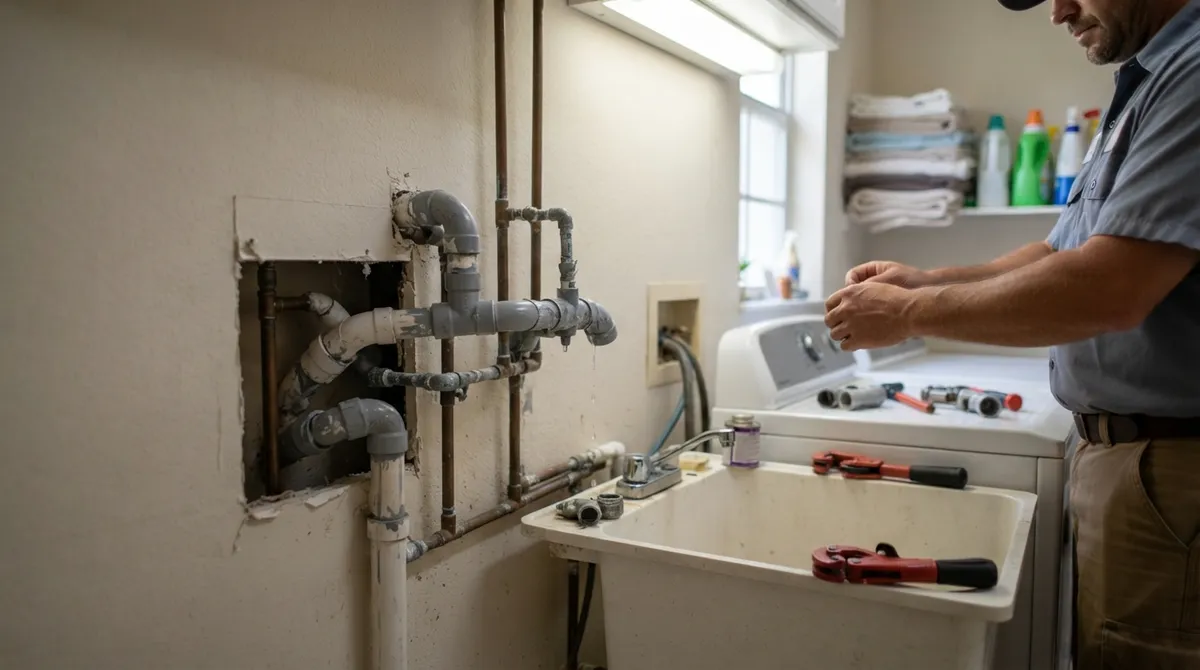
Florida's building code doesn't mess around when it comes to plumbing. Under Florida Building Code Section 105.1, most work that installs, alters, extends, repairs, or replaces a plumbing system needs a permit before the first pipe is cut. That baseline applies statewide, but the specifics of enforcement and exemptions are handled locally, which is why what flies in one county might trigger a violation notice in another.
Here's the friendly truth: not every plumbing project needs a permit. Florida generally exempts minor maintenance and like-for-like fixture swaps, as long as you're not changing the existing system. Think of it this way: swapping a leaky faucet for a new one at the same rough-in spot is usually fine. Moving that sink three feet to the left? That's a different story.
Common Plumbing Work That Requires a Permit
- Installing a new fixture or relocating an existing one to a different spot
- Extending or altering supply lines or drain lines
- Water heater installation, replacement, or relocation
- Concealed plumbing work behind walls, floors, or ceilings
- Adding a bathroom, laundry hookup, or outdoor kitchen plumbing
- Gas line work connected to plumbing fixtures
Plumbing Work That May Be Exempt
- Replacing a faucet or fixture at the same rough-in location
- Minor maintenance that doesn't change the system
- Clearing a clog or basic repair with no alteration to piping
That said, the local building department always has the final say. If you're unsure, it's worth checking with the building department lookup tool before you assume your project is exempt.
Why Unpermitted Plumbing Becomes Such a Big Deal
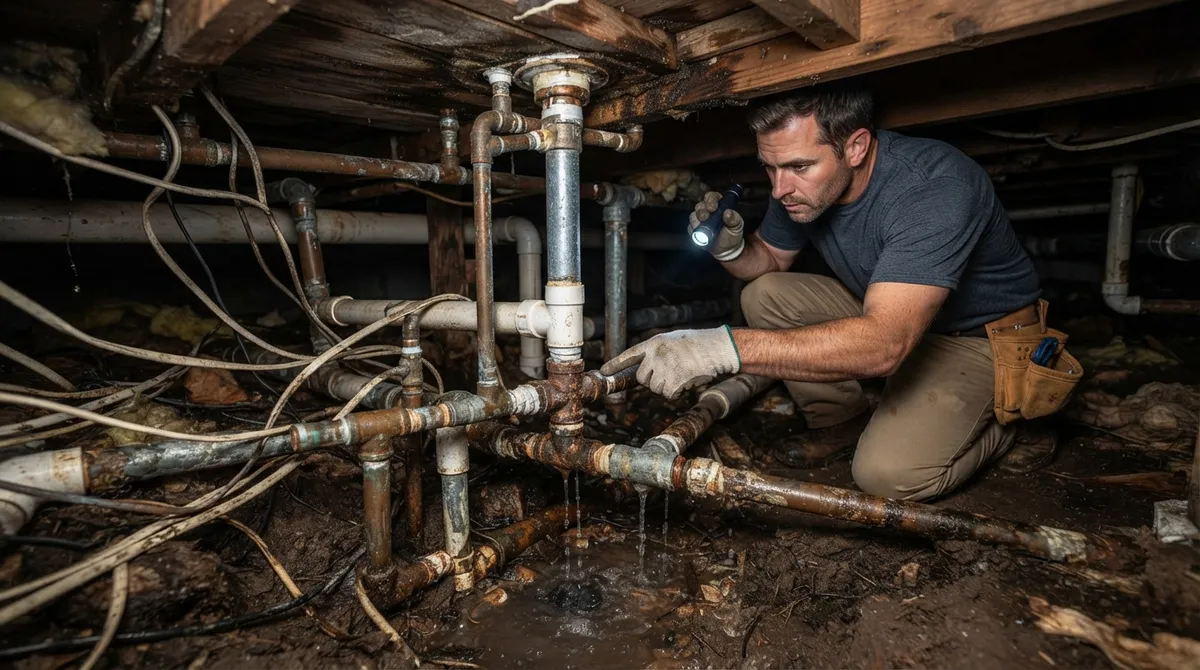
Here's where things get real. Unpermitted plumbing isn't just a paperwork technicality, it can snowball into stop-work orders, fines, and even required demolition. Florida Statute 489.127 makes it unlawful to perform work requiring a permit without one, or to contract without the proper license. That statute also allows the Department of Business and Professional Regulation to issue stop-work orders when there's probable cause that unlicensed or unpermitted work is happening.
Depending on your county, penalties can escalate fast. Some local ordinances impose fees of two or three times the standard permit cost for work started without one, and certain code-enforcement programs allow civil penalties of up to $1,000 per day per violation. That's not a typo. A small oversight can turn into a very expensive lesson if it lingers.
| Consequence | What It Means for You |
|---|---|
| Stop-work order | All work halts immediately until the issue is resolved |
| Notice of violation | Formal documentation that can affect future permits and sales |
| Exposure or demolition requirement | Inspectors may require opening walls or removing work entirely |
| Civil or administrative penalties | Fees ranging from doubled permit costs to daily fines |
| Licensing consequences | Referral to DBPR, potential misdemeanor charges under F.S. 489.127 |
How to Legalize Unpermitted Plumbing Work
If you've discovered unpermitted plumbing on your property, take a breath. This is fixable, and thousands of Florida property owners have walked this exact road before you. Here's a general roadmap for getting things squared away.
- Identify the correct jurisdiction. Florida's code is enforced locally, so the county or city that governs your property determines the process and fees.
- Research the permit history. Before applying, check whether any prior permits exist for the property. Our open permit search tool can help you find that history quickly.
- Prepare documentation or plans. Depending on the scope, you may need drawings or engineering documentation showing what was installed.
- Submit an after-the-fact permit application. This typically includes the standard permit fee plus a penalty fee, which varies by jurisdiction.
- Expose concealed work for inspection. If plumbing was hidden behind drywall or flooring, inspectors will likely require it to be uncovered for a proper look.
- Correct any code violations. If the original work doesn't meet current code, corrections will be required before approval.
- Schedule final inspection and approval. Once everything checks out, you'll receive final sign-off closing the loop.
It's important to know that an after-the-fact permit doesn't automatically legalize the work. Some jurisdictions may require complete removal and reconstruction if the installation can't be brought up to code. This is exactly the kind of situation where working with a team that handles after the fact expired permits daily makes a real difference, because they know what each jurisdiction expects and can help you avoid costly missteps.
Do You Need a Licensed Plumber to Fix It?
Yes, in most cases. A permit doesn't replace the need for a properly licensed Florida plumbing contractor. Plumbing performed for compensation generally must be done by someone holding the appropriate license, and Florida Statute 489.129 permits disciplinary action against licensed contractors who violate code requirements. If you're a homeowner planning to do the correction work yourself, you'll want to confirm with your local building department whether an owner-builder permit applies to your situation, since rules vary by jurisdiction.
For general contractors managing multiple properties or coordinating subcontractors, this is where accurate plan review coordination and proper documentation save serious time. Nobody wants to pull a crew off a job because a reviewer flagged an issue that could've been caught earlier.
How Unpermitted Plumbing Affects Real Estate Deals
If you're a real estate professional, you already know that permit history gets scrutinized during due diligence. Buyers, lenders, insurers, and title companies routinely check for open or missing permits, and unpermitted plumbing can absolutely stall or kill a closing. Sellers have a responsibility not to conceal known material defects or code violations, and getting ahead of the issue with legal or real estate advice is always the smarter move.
We've seen this scenario play out across Florida, from a condo sale in St Petersburg to a single-family home deal in Tampa. The buyer's inspector finds a water heater that doesn't match any permit on file, and suddenly everyone's scrambling. If you're a realtor navigating this, our realtor closing support service exists specifically to help resolve these situations before they blow up your timeline.
What Buyers, Sellers, and Agents Should Know
- Permit history is commonly reviewed by lenders and title companies during closing
- Insurance claims can be denied or delayed if unpermitted work caused or worsened damage
- Disclosure obligations exist for sellers aware of code violations
- Resolving the issue before listing often speeds up the eventual sale
Does Unpermitted Plumbing Affect Homeowners Insurance?
It absolutely can. Insurers often ask about permit history when underwriting a policy or processing a claim, and unpermitted work can complicate coverage or lead to a denied claim if the plumbing failure is connected to the unpermitted installation. This is one more reason why getting ahead of the issue, rather than hoping it never comes up, tends to save homeowners a lot of headache down the road.
A Quick Comparison: Permitted vs. Unpermitted Plumbing Work
| Factor | Permitted Work | Unpermitted Work |
|---|---|---|
| Inspection record | Documented and verified by local authority | No official verification exists |
| Insurance claims | Generally processed normally | May be delayed, reduced, or denied |
| Resale impact | Minimal to none | Can delay or derail closings |
| Legal exposure | Compliant with F.S. 489.127 | Potential misdemeanor or civil penalty |
| Correction cost | None needed | Can require exposure, demolition, or rework |
Why Solar Companies and GCs Should Pay Extra Attention
If you're a solar installer working on distributed energy projects, plumbing might not be your main focus, but interconnected systems like tankless water heaters, pool heating, or combined MEP work often intersect with plumbing permits. Coordinating structural and electrical documentation alongside plumbing scopes keeps your solar contractor projects moving without unexpected holds from inspectors flagging unrelated plumbing issues on the same property.
General contractors managing larger renovations should also build permit verification into their pre-construction checklist. It's a lot easier to catch an unpermitted water heater before you frame around it than after. Our team at 1 Contractor Solutions works with general contractors across the state to keep plan review, filing, and tracking organized from day one, which means fewer surprises mid-project.
How to Check If Plumbing Work Was Permitted
Before you buy, renovate, or panic, do a little detective work first. Here's how:
- Contact the local building department for the property's jurisdiction (not always the same as the mailing address).
- Request a permit history search using the property address and parcel number.
- Compare visible plumbing fixtures and water heater locations against what's documented.
- Look for any open, expired, or missing permits related to plumbing, water heaters, or bathroom additions.
If digging through county records feels overwhelming, especially in busy jurisdictions like Miami Dade County or Broward County, a permitting service can pull that history efficiently and tell you exactly where things stand.
Working With a Permitting Partner Makes This So Much Easier
Here's the thing: you don't have to navigate Florida's patchwork of county and municipal plumbing requirements alone. At 1 Contractor Solutions, we help general contractors, solar companies, realtors, and homeowners across all 67 Florida counties figure out exactly which jurisdiction controls their project, what documentation is needed, and how to move an after-the-fact permit through to approval. Our in-house engineering team prepares sealed drawings when required, and because we're a licensed private provider, we can often speed up plan review instead of waiting in a county queue.
We've helped homeowners in Bradenton, contractors in Hillsborough County, and real estate professionals across Pinellas County resolve unpermitted work situations without the stress of guessing what their local building department expects. Feel free to reach out from Sarasota or anywhere else in the state, our team responds fast because we know these issues rarely wait for convenient timing.
You can also follow us on LinkedIn or follow us on Facebook for permitting tips, or visit us on Google — 1 Contractor Solutions to see what our customers have to say about how we helped them get unstuck.
Bringing It All Together
Unpermitted plumbing in Florida is more common than most people realize, and it's rarely anyone's intentional wrongdoing. Maybe a previous owner did the work themselves, maybe a contractor cut corners years ago, or maybe you genuinely didn't know a permit was required. Whatever the story, the path forward is the same: identify the jurisdiction, understand the requirements, and work through the after-the-fact process with a licensed contractor when needed.
The Florida Department of Business and Professional Regulation offers general guidance on contractor licensing requirements, and resources like the Florida Statutes online database can help you understand the legal framework behind enforcement. But when it's time to actually file paperwork, coordinate inspections, and get real answers from your county, having an experienced permitting team in your corner makes all the difference.
Ready to stop stressing over unpermitted plumbing and start moving toward a resolution? Our team is here to help you sort out the details, prepare the right documentation, and file with confidence. Request your free quote today and let's get your property back on solid, fully permitted ground.
FAQs
Do I need a permit for plumbing work in Florida?
In most cases, yes! Florida Building Code Section 105.1 requires a permit before you install, alter, extend, repair, or replace regulated plumbing systems. Minor maintenance or like-for-like fixture swaps at the same location may be exempt, but it's always worth double-checking with your local building department since rules can vary a bit by county.
What plumbing work can be done without a permit in Florida?
Generally, small maintenance tasks and simple fixture replacements at the exact same rough-in location don't require a permit. But the moment you're moving a fixture, extending pipes, or touching concealed plumbing, you're likely in permit territory. When in doubt, a quick call to your local jurisdiction saves a lot of guesswork.
How do I legalize unpermitted plumbing work in Florida?
You'll typically need to identify the correct jurisdiction, research the property's permit history, submit an after-the-fact permit application with supporting documentation, expose any concealed work for inspection, and correct code violations before getting final approval. It sounds like a lot, but a permitting team that specializes in after-the-fact work can walk you through each step smoothly.
Can I sell a Florida house with unpermitted plumbing?
You can, but it's likely to complicate things since buyers, lenders, and title companies often review permit history during closing. Many sellers choose to resolve the issue before listing to avoid delays or renegotiations mid-transaction, and honestly, that usually makes for a much smoother, less stressful sale.
Does unpermitted plumbing affect homeowners insurance?
It can, unfortunately. Insurers sometimes ask about permit history, and if a plumbing failure is tied to unpermitted work, your claim could be delayed, reduced, or even denied. Getting ahead of it with proper permitting gives you real peace of mind and protects your coverage down the road.
We do this work every day across all 67 Florida counties. Call (866) 314-6931 and we will tell you what your situation actually requires — including when you do not need us.
Related services
Permit Facilitation & Filing
You have a crew scheduled, a client asking for dates, and a permit sitting somewhere in a queue you cannot see. We file it, w…
See the servicePlan Review Coordination
A permit in plan review is not one queue. On a commercial project it can be six queues, each with its own reviewer, its own c…
See the serviceReady to get your permit moving?
One call tells you which jurisdiction controls your project, what it will take, and what it will cost. Most of the time we can scope it on the phone.