
Blog
Does Your Bradenton Condo Need a Milestone Inspection?
Wondering if your Bradenton condo needs a milestone inspection? Learn who qualifies, key deadlines, inspection phases, and how repair permits fit in.
Key Takeaways
-
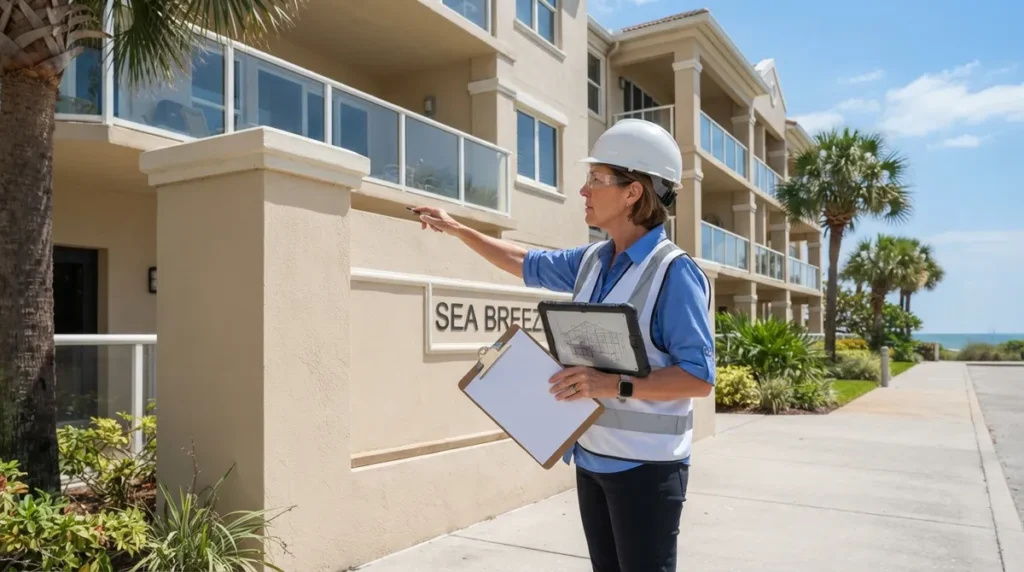
Milestone inspections under Florida Statutes §553.899 apply to residential condo and co-op buildings generally three or more habitable stories, and the county makes the final call on applicability.
-
Coastal buildings within three miles of the shoreline in Manatee County may face a 25-year inspection schedule instead of 30 years, so check your distance from the coast now.
-
Age is measured from the certificate-of-occupancy date, not the date of the last renovation, so pull that record from association files or the county first.
-
Only a Florida-licensed architect or engineer can perform the inspection, and a standard home inspector will not satisfy the requirement.
-
Phase two testing is needed only if phase one finds substantial structural deterioration, and the engineer must file a progress report within 180 days of the phase one report.
-
After receiving the county's certified-mail notice, the association must notify unit owners within 14 days, so assign someone to track county mail immediately.
If you live in or manage a condominium in Bradenton, you have probably heard the words "milestone inspection" tossed around at board meetings, in association emails, or by a neighbor who is a little stressed about it. Take a breath. A milestone inspection in Bradenton, FL is a manageable process, and it gets much easier once you know what it is, who needs one, and what happens next.
Florida created the milestone inspection requirement to make sure older multi-story residential buildings stay structurally sound. In Manatee County, coastal salt air can speed up wear on concrete and steel, so local rules can pull the deadline earlier than you might expect. The good news? You do not have to figure it out alone.
In this friendly guide, we will walk through who must comply, how to find your deadline, what the two inspection phases involve, and how repair permits fit in. Whether you are a board member, property manager, contractor, or owner, you will leave with a clear plan.
What Is a Milestone Inspection in Bradenton, FL?
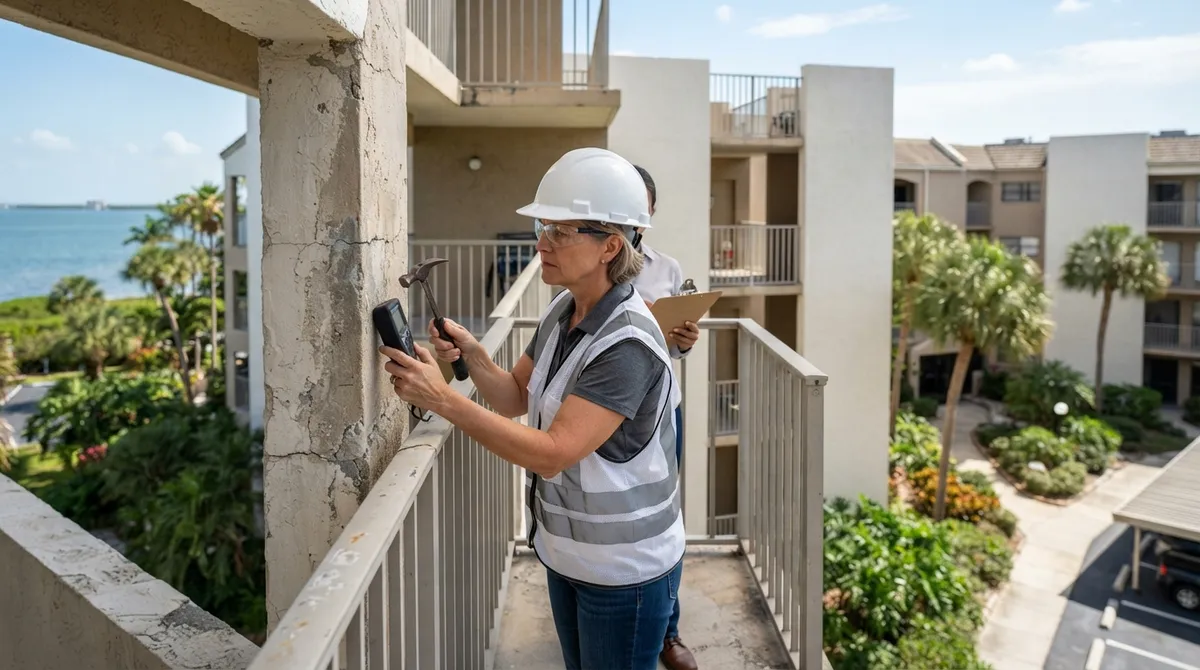
A milestone inspection is a structural assessment required by Florida Statutes §553.899. It applies to qualifying condominium and cooperative buildings, generally those that are three or more habitable stories tall. A Florida-licensed architect or engineer examines the building and reports on its structural condition.
Think of it as a thorough health checkup for your building. It is not a repair permit, and it is not a guarantee that nothing will ever go wrong. It is an assessment that tells the association what shape the structure is in and what, if anything, needs attention.
The building's owners are responsible for arranging the inspection, and the association typically coordinates it on their behalf. Because the local enforcement agency determines how the rule applies to a specific property, it is always smart to confirm details with Manatee County Building Inspections.
Which Bradenton Buildings Need One?
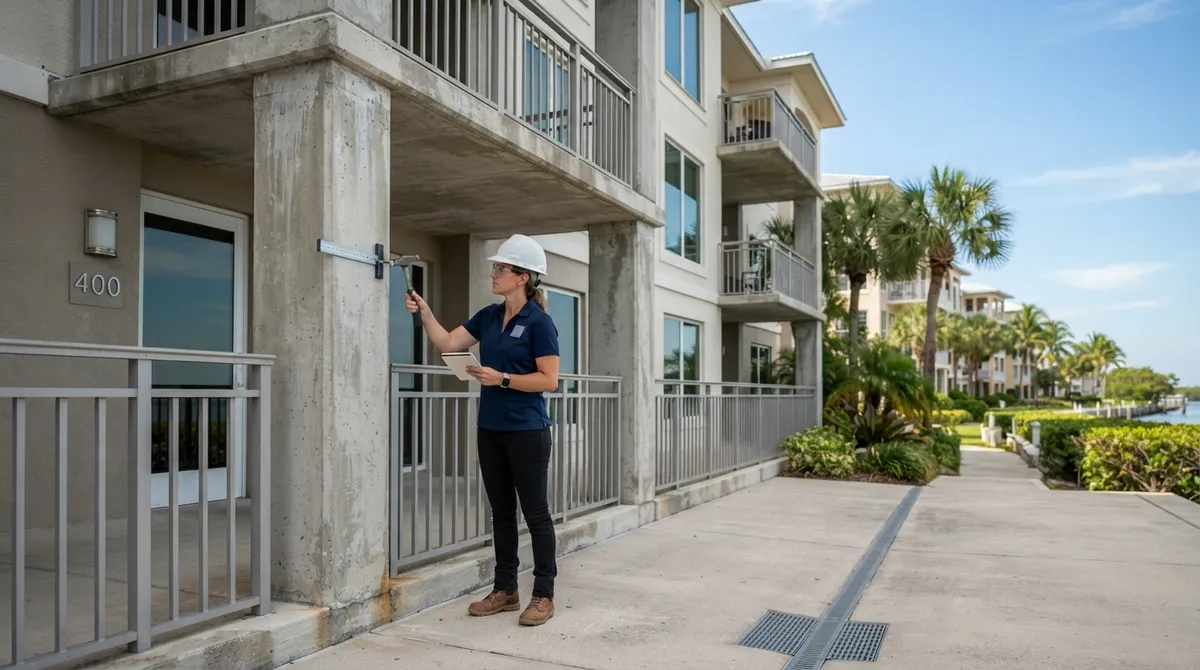
The short version: if you are in a residential condo or co-op building with three or more habitable stories, you should assume the rule may apply and verify with the county. Here is how the key factors break down.
| Factor | What It Means for Bradenton |
|---|---|
| Building type | Residential condominium or cooperative buildings |
| Height | Generally three or more habitable stories (Manatee County describes it as three or more stories) |
| Coastal buildings | Manatee County applies a 25-year schedule to qualifying buildings within three miles of the coastline |
| Inland buildings | Qualifying buildings farther inland generally follow the 30-year schedule |
| Repeat inspections | Every 10 years after the initial inspection |
Age is measured from the building's certificate-of-occupancy date, not from when the last renovation happened. If you are not sure of that date, your association's records or the county can help you track it down.
What About Exemptions?
Not every building falls under the rule, and the details of exemptions can be technical. Because applicability is decided by the local enforcement agency, do not assume your building is exempt just because it seems small or well maintained. A quick call to Manatee County Building Inspections can save you from a missed deadline later.
How Do You Figure Out Your Deadline?
Deadlines trip up more associations than almost anything else, so let's make this simple. The standard schedule is an initial inspection by December 31 of the year the building reaches 30 years old, measured from its certificate-of-occupancy date, and every 10 years after that. A local agency may require inspections at 25 years because of local conditions, including closeness to salt water.
Here are the initial statutory dates to keep in mind:
- December 31, 2024, for buildings that had already reached 30 years before July 1, 2022
- December 31, 2025, for buildings reaching 30 years between July 1, 2022, and December 31, 2024
- For buildings on a local 25-year schedule, follow Manatee County's notice and current guidance rather than assuming the 30-year date applies
Since it is now 2026, many Bradenton associations are either finishing their first inspection or planning for upcoming deadlines. If your building has recently crossed the 25- or 30-year mark, now is a great time to check your status.
Quick Steps to Confirm Your Deadline
- Find your building's certificate-of-occupancy date in association records or county files.
- Confirm whether your building sits within three miles of the coastline.
- Count the habitable stories to verify the height threshold.
- Check for any certified-mail notice from the Manatee County building official.
- Call or email Manatee County Building Inspections to verify the deadline in writing.
Who Can Perform a Milestone Inspection?
A milestone inspection must be performed by a Florida-licensed architect or engineer authorized to practice in the state. This is not a job for a general handyman or a standard home inspector. The inspector's professional seal is what gives the report its legal weight.
When you hire, look for a professional with real experience in multi-story concrete and masonry structures, especially in coastal environments. Ask about their report format, timeline, and how they handle a phase two recommendation if one becomes necessary.
Phase One vs. Phase Two: What Actually Happens?
The inspection happens in up to two phases. Understanding them takes a lot of the mystery out of the process. For a deeper comparison, our guide on Phase 1 vs. Phase 2 Milestone Inspection in Florida (2026) walks through each stage in more detail.
| Phase | What Happens | When It Is Needed |
|---|---|---|
| Phase One | Visual examination of habitable and nonhabitable areas and major structural components | Always required |
| Phase Two | Destructive or nondestructive testing of affected areas, plus repair recommendations | Only if phase one finds substantial structural deterioration |
Phase One: The Visual Look
The architect or engineer walks the property and examines the building's major structural components, from balconies and load-bearing walls to roof structure and foundations where accessible. If no substantial structural deterioration is found, you are done with the inspection portion and phase two is not required.
Phase Two: The Deeper Dive
If phase one identifies substantial structural deterioration, phase two may include testing to assess exactly how far the problem goes and what repairs are recommended. For phase two, the engineer or architect must submit a progress report to the local enforcement agency within 180 days after submitting the phase one report, including a timeline for completing phase two.
What Goes Into the Inspection Report?
The inspector submits a sealed report along with a separate summary of material findings and recommendations. Both go to the association and the local building official. Reports must address:
- Inspection methods used
- Any substantial deterioration and recommended repairs
- Observed unsafe or dangerous conditions
- Other recommended repairs
- Items that need further inspection
Once the report is in, the association has a clear picture of what comes next. Most buildings get good news. Some get a to-do list. Either way, it is information you want to have.
The Manatee County Notice and Submission Process
Manatee County says building officials notify associations by certified mail. After receiving the notice, the association must notify unit owners within 14 days. That 14-day window moves quickly, so make sure your board knows who is responsible for opening and tracking county mail.
The county also provides a process for submitting milestone inspection reports. Because submission instructions can change, confirm the current steps directly with Manatee County Building Inspections before you send anything in. If your team is juggling multiple filings, this is a spot where a permitting partner can really lighten the load.
Do Not Forget the SIRS Connection
Florida's Department of Business and Professional Regulation notes that an association whose milestone inspection is due on or before December 31, 2026, may complete its Structural Integrity Reserve Study (SIRS) at the same time. However, the SIRS must still be completed by December 31, 2026. Coordinating the two can save time and money, so talk with your inspector about timing.
What If the Inspection Finds Problems?
Here is where permitting enters the picture. A milestone inspection is an assessment, not a repair permit. If the report recommends structural repairs, the association should consult the building department about applicable permits, plans, contractor qualifications, and inspections before any work begins.
Typical repair projects that may require permits include:
- Concrete restoration and spalling repairs
- Balcony and railing repairs or replacement
- Structural reinforcement
- Waterproofing and envelope work
- Corrosion repairs on steel components
Repair work usually needs sealed engineering drawings and carefully prepared permit packages. If your building has older work that was never properly closed out, you may also need to sort that out. Our guides on as-built drawings and fixing expired and after-the-fact permits can help you understand your options.
What Happens If a Deadline Is Missed?
Missing a milestone deadline can create real headaches, from county notices to complications for owners and lenders. If you are worried you are behind, do not hide from it. Reach out to the county, get an inspector scheduled, and document your progress. For a closer look at the consequences and recovery steps, read What Happens If a Florida Condo Misses Its Milestone Deadline.
Who Benefits From Understanding This Process?
Milestone inspections touch more people than just the board. Here is how it plays out for different readers in Bradenton:
- Condo boards and property managers: You coordinate the inspection, notices, reports, and any repair permits.
- General contractors: You may be hired for repairs that need correct permits, sealed plans, and inspections.
- Real estate professionals and buyers: Open milestone findings or pending repairs can affect due diligence and closings.
- Unit owners and homeowners: You will receive notices and may be affected by assessments or repair schedules.
- Design and engineering trades: You may need reliable drafting and permit administration to keep repair projects moving.
Tips for a Smooth Milestone Inspection
A little preparation makes everything go better. Here are practical tips that boards and managers have found helpful:
- Gather original plans, past repair records, and prior inspection reports before the inspector arrives.
- Make sure the inspector can access roofs, garages, electrical rooms, and balconies.
- Communicate with residents early so nobody is surprised by access requests.
- Ask the inspector how and when you will receive the summary of findings.
- Budget ahead for potential repairs, even if you hope you will not need them.
How 1 Contractor Solutions Can Help
The inspection itself must be handled by a licensed architect or engineer, but the paperwork that surrounds it is where many associations feel stuck. 1 Contractor Solutions works across all 67 Florida counties, including Manatee County, helping with permit filing, tracking, plan review coordination, and the sealed structural and MEP drawings that repair work often requires. We respond fast, usually the same day, and our drawings are prepared in house.
If you want a feel for how we work, you can visit us on Google — 1 Contractor Solutions and see what customers say about their experience. You can also learn more about our local coverage on our Bradenton permitting page.
Want to stay connected? Follow us on LinkedIn or follow us on Facebook for practical Florida permitting tips. And if you are curious about the team behind our online presence, check out Brain Buzz Marketing.
Final Thoughts: You Have Got This
A milestone inspection in Bradenton, FL does not have to be scary. Confirm whether your building qualifies, nail down your deadline from the certificate-of-occupancy date, hire a licensed architect or engineer, and follow Manatee County's notice and submission steps. If repairs are recommended, line up the right permits and sealed plans before work begins.
Every building is different, and the county has the final word on how the rules apply to yours. If you want a knowledgeable partner to help with the permitting side, get a free quote from our team today. We are happy to point you in the right direction.
FAQs
Does my Bradenton or Manatee County condo need a milestone inspection?
If your building is a residential condominium or cooperative with three or more habitable stories, it very likely does. Coastal buildings within three miles of the shoreline generally follow a 25-year schedule, while others follow 30 years. Confirm your specific deadline with Manatee County Building Inspections, since the county determines applicability.
Who is qualified to perform a Florida milestone inspection?
Only a Florida-licensed architect or engineer authorized to practice in the state can perform it. They deliver a sealed report plus a separate summary of findings to the association and the local building official. A standard home inspector will not meet the requirement.
What happens during phase one and phase two?
Phase one is a visual examination of the building's habitable and nonhabitable areas and major structural components. Phase two only happens if substantial structural deterioration is found, and it may include testing plus repair recommendations. Good news: many buildings never need phase two.
What permits are needed if the inspection finds structural problems?
The inspection itself is not a repair permit, so repairs usually need their own permits, sealed plans, and inspections. Check with the building department before work starts to confirm what applies. A permitting partner can help prepare and track the paperwork so repairs stay on schedule.
How long does a Manatee County association have to notify owners?
Associations must notify unit owners within 14 days after receiving the county's written inspection notice, which arrives by certified mail. Make sure your board has a plan for handling that mail quickly so the deadline does not slip by.
We do this work every day across all 67 Florida counties. Call (866) 314-6931 and we will tell you what your situation actually requires — including when you do not need us.
Related services
Permit Facilitation & Filing
You have a crew scheduled, a client asking for dates, and a permit sitting somewhere in a queue you cannot see. We file it, w…
See the servicePlan Review Coordination
A permit in plan review is not one queue. On a commercial project it can be six queues, each with its own reviewer, its own c…
See the serviceReady to get your permit moving?
One call tells you which jurisdiction controls your project, what it will take, and what it will cost. Most of the time we can scope it on the phone.