
Blog
10 Things to Know: Do I Need a Permit for Battery Storage in Florida?
Do I need a permit for battery storage in Florida? Usually yes. Learn which permits apply, 2026 code updates, and how to avoid costly delays.
Key Takeaways
-
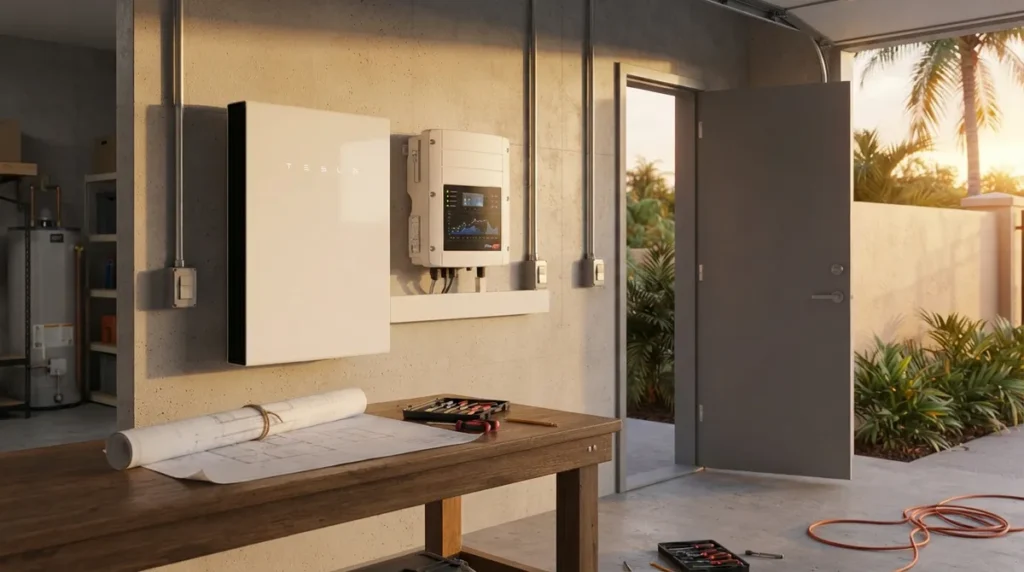
In most cases, yes: installing a stationary battery energy storage system in Florida usually requires building and electrical permits plus inspections, even for standalone units.
-
Your local AHJ (city, county, or fire authority) makes the final call, so confirm the jurisdiction for your exact address before buying equipment, since neighboring areas can have different requirements.
-
Adding a battery to an existing solar system typically needs its own permit review with updated electrical drawings, because the old solar permit usually doesn't cover the new equipment.
-
Indoor battery installs may face 2026 Florida Building Code provisions requiring a solid wood or steel door at least 1 3/8 inches thick, or a 20-minute-rated door, that is self-closing and self-latching.
-
Fire safety rules can dictate battery placement, access, and separation, so choose a location with your AHJ early to avoid redesign after a closet or garage spot is rejected.
-
A proposed streamlined process for residential backup power (caps of 50 kW output and 100 kWh storage, effective July 1, 2026) is not confirmed, so verify enactment before skipping permits.
You just got a quote for a shiny new home battery, and the installer says, "Don't worry, we'll handle everything." Great! But then a little voice in your head asks the big question: do I need a permit for battery storage in Florida? It's a smart question, and honestly, one that trips up a lot of homeowners, solar companies, and even seasoned contractors.
Here's the short, friendly answer: in most cases, yes. Installing a stationary battery energy storage system in Florida usually requires permits and inspections. The exact approvals depend on the equipment, the building, the system size, and the local authority having jurisdiction (AHJ), which is the city or county office that enforces code where your project sits.
The details vary quite a bit from place to place, and Florida's rules keep evolving in 2026. So we put together ten things worth knowing before you buy, install, or sign off on a battery project. Grab a coffee, and let's walk through them together.
1. Yes, Most Battery Storage Installs Need a Permit
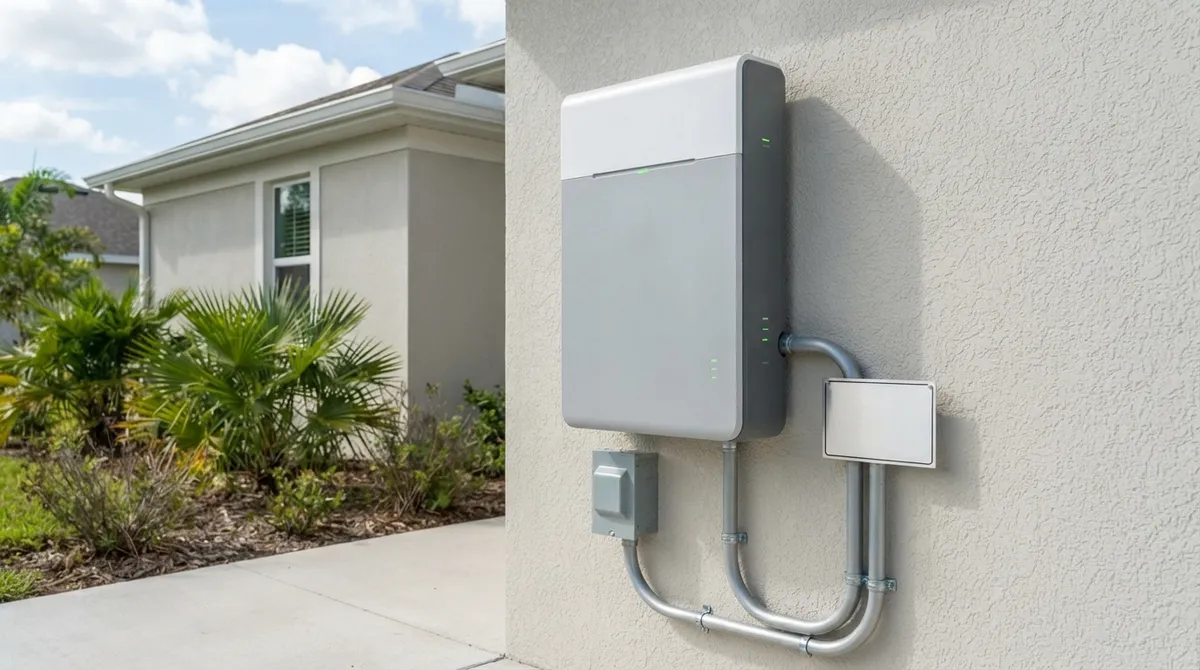
Let's get the headline out of the way. Florida's building-permit framework generally requires a permit before covered construction, alteration, or modification begins. A battery system ties into your electrical service, mounts to a wall or pad, and sometimes changes how your home or building is wired. That puts it squarely in permit territory.
A common misconception is that a battery-only install is "just an appliance." It isn't treated that way. Do not assume a standalone battery is exempt, even if it's plug-and-play in the sales brochure.
If you're a homeowner, remember this: the permit protects you. It confirms the install was reviewed and inspected, which matters for safety, insurance, and resale.
2. Your Local AHJ Makes the Final Call
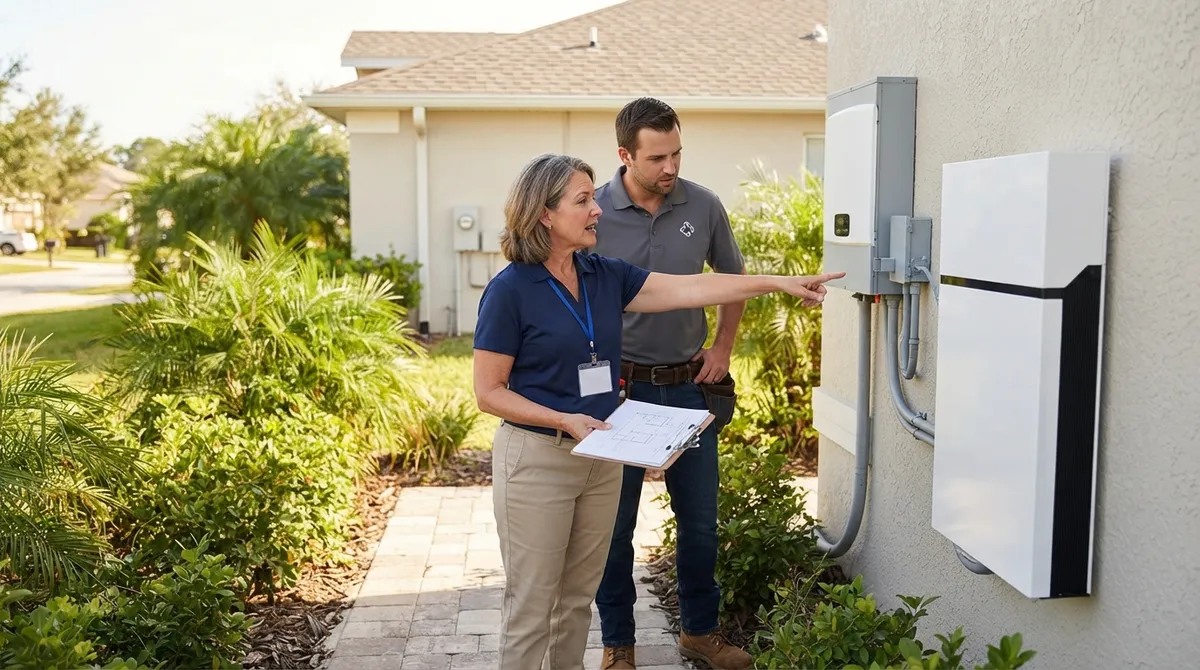
Florida doesn't have one single, uniform permit desk for batteries. Your city or county building department (or fire authority) decides what's required, so two projects ten miles apart can have different checklists.
Before you buy equipment, check with the building department that covers the property address. It's worth confirming this, because the jurisdiction isn't always obvious near city lines. If you'd like a hand sorting out who controls your address, our building department lookup tool is a handy place to start.
Here's what the AHJ typically decides:
- Which permits are required (building, electrical, fire, or a combination)
- What plan documents must be submitted
- Which inspections will be scheduled
- Whether any zoning or site-plan review applies
3. Which Permits Might Apply to a Home Battery?
For a residential battery, the permits that come up most often are building and electrical. A fire review or permit may also apply, particularly for larger systems or installations with special siting conditions.
Here's a quick snapshot of how it commonly breaks down:
| Permit or Review | Commonly Required? | What It Covers |
|---|---|---|
| Electrical | Very common | Wiring, disconnects, panel tie-ins, overcurrent protection |
| Building | Common | Mounting, structural support, location, enclosure |
| Fire review | Sometimes | Siting, access, separation, safeguards |
| Zoning or site plan | Larger or commercial projects | Placement on the property, setbacks, screening |
| Utility interconnection | Often, if tied to solar or the grid | Approval to connect and operate with the grid |
Note that this table shows general patterns, not guarantees. Your AHJ's checklist is the final word.
4. Adding a Battery to an Existing Solar System Still Counts
This one surprises people. You already have solar panels, already pulled a permit years ago, and now you're adding a battery. Surely that's covered by the old permit, right?
Usually not. A battery addition changes the system's configuration, so it typically needs its own permit review. Updated electrical drawings, a revised single-line diagram, and equipment specifications are often part of the package.
Solar companies, this is where paperwork mistakes pile up. Our team has seen plenty of filing hiccups, and you can learn from them in our post on solar permit filing mistakes in Orange County. Many of those lessons apply to battery add-ons across the state.
5. Fire Safety Rules Can Shape Where Your Battery Goes
Lithium-based batteries pack a lot of energy, so fire officials care about where they're installed. Florida's Fire Prevention Code and locally enforced fire-safety requirements may affect battery location, access, separation, and other safeguards.
Requirements can differ based on:
- The size of the system
- Whether it's indoors, outdoors, or on a roof
- Whether it sits in a garage, utility room, or living space
- Whether it's part of a larger commercial facility
In plain English: where you put the battery matters. A spot that seems perfect to you (say, a closet near the panel) might not satisfy the AHJ. Planning placement early can save you a redesign later.
6. Watch the New 2026 Code Provisions for Indoor Installs
Here's a detail that matters if your battery is going inside the house. The Florida Building Code's 2026 residential-code analysis describes added safety provisions for energy storage systems located in spaces within dwelling units.
Those provisions include specified door construction. Based on that analysis, the room door may need to be one of the following:
- A solid wood or steel door at least 1 3/8 inches thick, or
- A 20-minute-rated door
The door must also be self-closing and self-latching. Whether this applies to you depends on the adopted code edition, the permit date, and the specific installation conditions, so confirm with your AHJ before you build or buy anything. It's a small detail, but it's the kind of thing that can fail an inspection.
7. Watch for a Possible Streamlined Process, But Verify It
Now for something potentially good news. A 2026 Florida bill analysis describes a proposed streamlined process for certain residential backup-power systems. The thresholds mentioned in the analysis are:
| Item | Proposed Cap in the Bill Analysis |
|---|---|
| System output | No more than 50 kW |
| Aggregate storage capacity (when storage is included) | No more than 100 kWh |
| Intended effective date | July 1, 2026 |
Here's the important caveat, and we want to be crystal clear: these are proposed figures from a bill analysis. Before relying on them, verify that the bill was enacted, read the final statutory language, and ask your local building department how it's being implemented. A streamlined process is not the same as no process, so don't skip permitting based on a headline.
8. Commercial and Utility-Scale Projects Face More Layers
If you're a general contractor, developer, or property owner looking at a commercial battery system, expect a heavier lift. Commercial and utility-scale projects can require more extensive building, electrical, fire, site-development, and utility approvals than a typical home installation.
Zoning and site-plan review may also come into play. Common extra requirements include:
- Sealed structural and electrical drawings
- Site plans showing placement, setbacks, and access
- Fire department review and sometimes specialized safety documentation
- Utility interconnection approval
- Multiple inspections across disciplines
Because these projects touch so many departments, coordination is half the battle. This is exactly where an experienced permit team earns its keep, especially if you're juggling several counties. For a deeper look at larger filings, check out our commercial permit expediting guide.
9. Plans, Drawings, and Who Seals Them
Many AHJs want a plan set with your battery permit application. A typical package may include a site plan, a single-line electrical diagram, equipment spec sheets, mounting details, and sometimes a structural letter if the battery attaches to a wall, roof, or pad.
Depending on the project, those documents may need a Florida-licensed engineer's seal. If you're wondering who can legitimately sign off, our article on who seals structural drawings for Florida permits breaks it down simply.
Quick tips for a smoother submission:
- Match the equipment model on your drawings to the exact unit being installed
- Show clearances and working space around the battery
- Include labeling and disconnect locations
- Keep a copy of manufacturer installation instructions handy for the inspector
A clean, complete package is the number-one way to avoid comment rounds and delays. If your submission gets bounced, you're not stuck. See how to recover in who can rescue a denied building permit in Florida.
10. What Happens If You Skip the Permit?
We get it. Permits take time, and it can be tempting to cut the corner. But an unpermitted battery can cause real headaches down the road:
- Insurance claims may be questioned if a fire or failure involves unpermitted equipment
- Home inspections and appraisals can flag unpermitted electrical work during a sale
- Code enforcement may issue a notice or stop work order
- Utility interconnection can be denied or delayed
The good news is that it's fixable. Florida has after-the-fact pathways for work that's already in place. If a prior owner or installer skipped permits, start with our walkthrough on 7 steps to legalize unpermitted work in Florida, or read about after-the-fact solar installations, which often overlap with battery systems.
How to Handle Your Battery Permit Step by Step
Ready to move forward? Here's a simple, friendly roadmap you can follow:
- Confirm your jurisdiction. Identify the exact city or county that controls your address.
- Call or check the AHJ's website. Ask about building, electrical, fire, and zoning requirements for battery storage.
- Check the current code edition. Confirm which Florida Building Code and Fire Prevention Code provisions apply to your permit date.
- Plan the location carefully. Think access, separation, and any door or enclosure requirements.
- Prepare drawings and documents. Include site plans, electrical diagrams, and equipment specs.
- Apply for the permit and track it. Respond to reviewer comments quickly.
- Pass inspections. Keep documents on site for the inspector.
- Coordinate with the utility. Secure interconnection approval if you're tied to the grid.
Can a homeowner do the work without a licensed contractor? Rules for owner-builders exist in Florida, but electrical work tied to energy storage often calls for licensed professionals. Always confirm with your AHJ first.
Who This Matters To Most
Different readers feel this topic differently, so here's a quick cheat sheet:
| Reader | Biggest Battery Permit Concern |
|---|---|
| Homeowners | Safe, legal install that won't cause insurance or resale trouble |
| Solar companies | Code-compliant documents and faster approvals across many jurisdictions |
| General contractors | Coordinating electrical, structural, and fire reviews on one timeline |
| Realtors and buyers | Spotting unpermitted battery work before closing |
| Designers and trades | Reliable drafting and sealed drawings without extra in-house staff |
Let Us Take the Paperwork Off Your Plate
Permitting rules are one of those things that feel simple until you're staring at a rejection letter. At 1 Contractor Solutions, we act as Florida's outsourced permitting department. We handle permit filing and tracking, plan review coordination, and in-house sealed drawings across all 67 Florida counties, with same-day response. Curious how others feel about working with us? You can visit us on Google — 1 Contractor Solutions to read reviews.
If you're wondering about your own battery project, we'd love to help. Get a free quote and we'll tell you which jurisdiction controls your address and what it will take to get approved. You can also follow us on LinkedIn and follow us on Facebook for Florida permitting tips, and our marketing partner Brain Buzz Marketing helps us share them.
The Bottom Line
So, do I need a permit for battery storage in Florida? In most cases, yes, and it's usually a combination of building and electrical review, with fire, zoning, and utility steps layered in depending on the project. Rules are shifting in 2026, with new code provisions and a proposed streamlined process for some residential backup-power systems, so always verify what's current with your local AHJ before you buy or install.
The best move? Plan early, document everything, and get the permit pulled before the first bolt goes in. Your future self (and your insurance agent) will thank you.
FAQs
Do I need a permit to install a home battery in Florida?
In most cases, yes! Installing a stationary home battery typically requires permits and inspections, with building and electrical permits being the most common. Check with your local city or county building department before you buy, since requirements can vary by jurisdiction.
Do I need both a building permit and an electrical permit for battery storage?
Often you'll need both, because battery work usually involves electrical wiring and mounting or structural changes. Larger systems or special locations may also trigger a fire review, so it's best to ask your local AHJ what your specific project requires.
Are permits required to add a battery to an existing solar system in Florida?
Usually yes. Adding a battery changes your system's configuration, so it typically needs its own permit review with updated electrical drawings. Your original solar permit generally doesn't cover the new equipment.
Does Florida require a fire permit or fire department review for a battery system?
It can, especially for larger systems or installations in tricky spots like indoors or on a roof. Florida's Fire Prevention Code and local fire rules may affect placement, access, and separation, so confirm with your local authority early.
Is there a faster permitting process for home backup power in Florida?
A 2026 Florida bill analysis describes a proposed streamlined process for certain residential backup-power systems, with caps of 50 kW output or 100 kWh of storage. Since it's a proposal, verify that it was enacted and how your local department applies it before relying on it.
We do this work every day across all 67 Florida counties. Call (866) 314-6931 and we will tell you what your situation actually requires — including when you do not need us.
Related services
Permit Facilitation & Filing
You have a crew scheduled, a client asking for dates, and a permit sitting somewhere in a queue you cannot see. We file it, w…
See the servicePlan Review Coordination
A permit in plan review is not one queue. On a commercial project it can be six queues, each with its own reviewer, its own c…
See the serviceReady to get your permit moving?
One call tells you which jurisdiction controls your project, what it will take, and what it will cost. Most of the time we can scope it on the phone.