
Blog
DIY vs. Pro Help: Airbnb Remodel Permits in FL?
Weighing DIY vs. professional help for after-the-fact Airbnb remodel permits in Florida? Here's how each route stacks up.
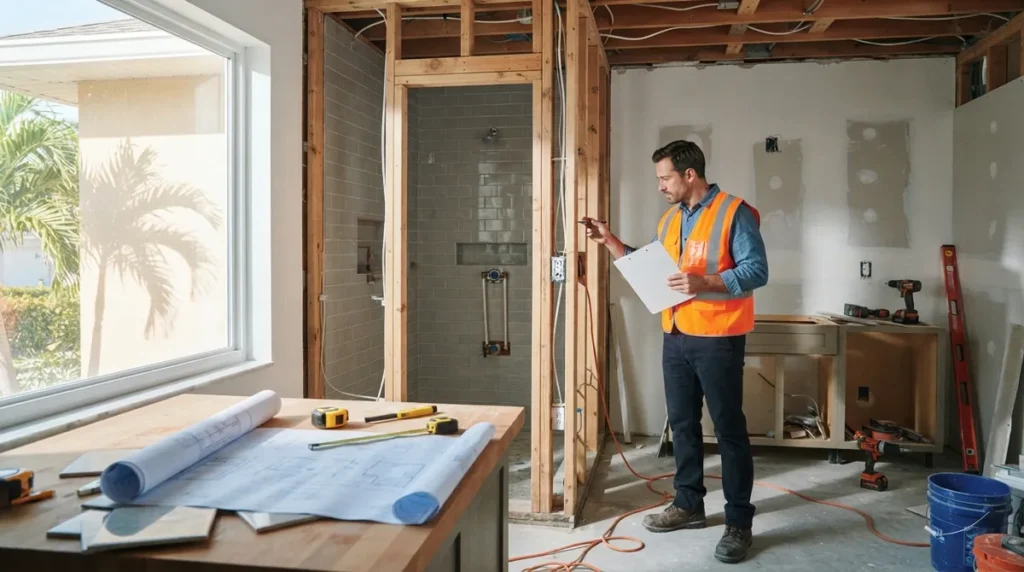
Key Takeaways
-
Florida Statute §553.79 requires permits for most kitchen, bathroom, electrical, plumbing, and structural remodels; confirm your specific scope with the local building department to avoid unpermitted work.
-
Short-term rentals require separate approvals beyond construction permits, including certificates of use, zoning sign-off, rental registration, and state DBPR lodging licenses that vary significantly by municipality.
-
For complex projects involving structural elements, electrical systems, or plumbing, professional permitting services with in-house sealed drawings are more efficient than DIY; some counties charge doubled fees for unpermitted work.
-
After-the-fact permit applications typically require as-built drawings, sealed engineering documents, contractor licenses, and proof of inspections; inspectors may require opening walls to verify concealed work meets code.
-
Coastal counties like Miami-Dade, Broward, Lee, and Sarasota have stricter layered requirements combining building code compliance with occupancy classification and rental licensing that differ from inland jurisdictions.
-
Real estate professionals should conduct early permit history searches before closing to avoid discovery of open permits or code violations; solar installations on rental properties need specialized structural and electrical documentation.
So you renovated your Florida Airbnb before you fully understood the permit process, and now you're wondering what happens next. Take a breath — you are far from alone. Between HGTV-inspired kitchen makeovers, quick bathroom upgrades, and "just add a fence for the pool" projects, a huge number of Florida short-term rental owners end up with unpermitted work on their books. The good news? There's a clear path forward, and you have options: tackle it yourself, or bring in professional help. Let's walk through both so you can decide which route actually gets your Airbnb back in good standing without losing your mind (or your rental income) along the way.
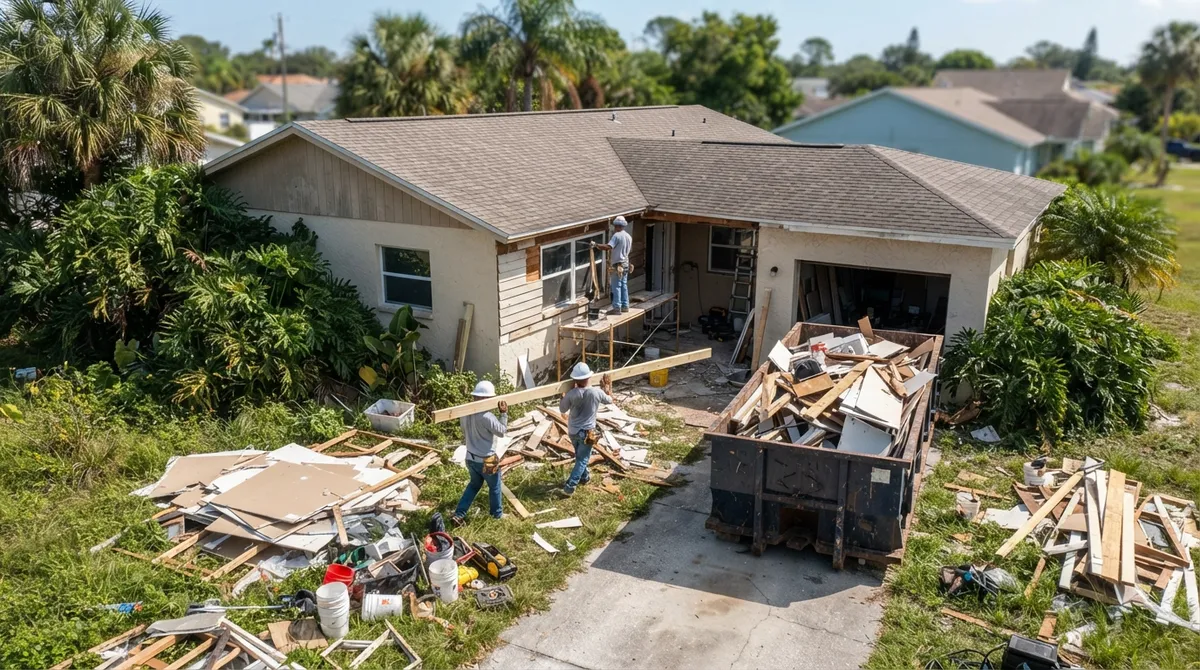
Why Airbnb Remodels in Florida Often End Up Unpermitted
Here's the honest truth: most owners don't skip permits because they're trying to break the rules. They skip them because nobody told them a permit was required, or because a contractor said "don't worry about it" and disappeared before the final inspection. Kitchen and bathroom remodels, electrical upgrades, converted garages, and even new decks or screened enclosures often need sign-off under Florida Statute §553.79, which generally requires a permit before construction, alteration, repair, or demolition of covered work.
Whether your specific remodel actually needed a permit depends on the scope of work and any local exemptions, so the safest move is always to confirm with the building department that has jurisdiction over your property. That's a step people love to skip, and it's exactly where things go sideways.
The Airbnb-Specific Twist
Short-term rentals add an extra wrinkle. It's not just about the construction permit — you may also need separate approvals like a certificate of use, local short-term-rental registration, zoning sign-off, or a state DBPR lodging license. In Miami, for example, converting a property to short-term lodging can trigger occupancy classification review along with building, zoning, and business approvals, and the city has noted that once more than 25% of units in a building are used for transient stays, additional R-1 occupancy requirements may kick in. That's a Miami-specific rule, not a statewide standard, so don't assume it applies everywhere.

DIY Route: Handling the After-the-Fact Permit Yourself
Some owners genuinely enjoy rolling up their sleeves and calling the building department directly. If that's you, here's the general sequence you're looking at:
- Identify your jurisdiction. Confirm exactly which city or county building department has authority over your property — this isn't always obvious near county or city lines.
- Pull your permit history. Check for open permits, expired permits, or existing code enforcement cases tied to the address.
- Gather documentation. This typically includes as-built drawings, contractor or owner-builder paperwork, and sealed engineering documents if structural or MEP systems were touched.
- Submit the after-the-fact application. Pay attention — some counties charge doubled fees for work that started without a permit, so ask for the current fee schedule in writing before you file.
- Schedule inspections. Be prepared: inspectors may require opening walls or ceilings to verify concealed work meets code.
- Resolve corrections. Address any deficiencies the reviewer flags, then request final sign-off.
This path can work, especially for small, straightforward scopes. But it demands time, patience, and a tolerance for bureaucratic back-and-forth. If your remodel touched structural elements, electrical panels, or plumbing, you'll likely need a licensed design professional to prepare or seal drawings anyway — which is where DIY starts to hit its limits.
Pro Help Route: Bringing in a Permitting Service
This is where a dedicated Florida permitting-services provider earns its keep. A team that handles after the fact expired permits every week already knows the shortcuts, the common rejection reasons, and which reviewers want which documentation format. Instead of learning the system from scratch, you're leaning on people who navigate it daily across all 67 Florida counties.
Here's what a permitting partner typically brings to the table:
- Research into the property's permit history, open cases, zoning, and any short-term-rental approvals already on file
- In-house architectural drafting and sealed engineering for structural or MEP components
- Preparation of as-built drawings that match what was actually constructed
- Full permit facilitation and filing so applications go in correctly the first time
- Ongoing plan review coordination to work every reviewer comment quickly
- Handling of revisions and resubmittals without you needing to decode technical jargon
The key thing to remember: no permitting service can guarantee approval, and none can replace the authority of the local building department. What they can do is dramatically reduce the friction, delays, and guesswork that trip up solo owners.
DIY vs. Pro Help: A Side-by-Side Look
| Factor | DIY Approach | Professional Permitting Help |
|---|---|---|
| Time investment | High — research, calls, follow-ups fall on you | Low — team tracks and manages the process |
| Sealed drawings | You must hire an outside engineer separately | Often available in-house with faster turnaround |
| Risk of rejected applications | Higher without experience reading code requirements | Lower — documents prepared to local standards |
| Handling reviewer comments | You interpret and respond alone | Coordinated directly with the reviewing authority |
| Best suited for | Very minor, well-documented scopes | Structural, MEP, or multi-jurisdiction complexity |
What Documents Usually Get Requested
Regardless of which route you choose, expect the local building department to ask for some combination of the following before approving after-the-fact work:
- Completed permit application specific to the scope of work
- As-built drawings reflecting the actual finished renovation
- Contractor license information or owner-builder affidavit
- Sealed structural or MEP engineering documents where applicable
- Proof of prior inspections, if any were completed
The exact list is determined by the department reviewing your submission, so don't assume one county's checklist applies to your project if you're in a different jurisdiction. If you're unsure who oversees your property, the building department lookup tool is a fast way to confirm.
Special Considerations for Popular Airbnb Markets
Coastal and tourist-heavy counties tend to have more layered requirements because of both building code and rental licensing overlap. If your property sits in Sarasota County, Lee County, Miami-Dade County, or Broward County, expect extra scrutiny around occupancy classification, zoning compliance, and short-term-rental registration on top of the construction permit itself.
Some coastal municipalities have introduced temporary relief measures after major storms — for instance, Pinellas County announced a waiver of after-the-fact penalties for qualifying storm-recovery work in unincorporated areas, but that waiver period expired at the end of 2025. Always check current policy directly with the county rather than relying on outdated news.
Sunny Isles Beach, meanwhile, requires a separate short-term vacation rental license for each covered multifamily unit, renewed annually — a reminder that local requirements vary widely and shouldn't be assumed to apply statewide.
How to Choose the Right Help for Your Situation
If you're leaning toward professional support, here's what to ask before signing on with anyone:
- Do they have direct experience in your specific city or county's after-the-fact process?
- Can they provide a written scope of work and fee estimate upfront?
- Who prepares and seals the plans — is it done in-house or outsourced?
- What's their plan for resolving existing violations and formally closing out the permit?
- Are their contractor and design professional licenses current and verifiable?
A provider that can answer all five clearly and confidently is worth serious consideration. This is also a great moment to check reviews — visit us on Google — 1 Contractor Solutions to see how past clients describe their experience working through similar after-the-fact scenarios.
Why Real Estate Professionals Should Pay Attention Too
If you're a realtor, investor, or buyer evaluating a Florida Airbnb property, unpermitted remodels can quietly derail a closing. Open permits, code violations, or missing certificates of occupancy sometimes surface late in the transaction, creating headaches for everyone involved. Building in time for a realtor closing support review before you finalize an offer can save weeks of frustration down the line — and services like a open permit search make it easy to spot problems early.
Solar Companies and Structural Add-Ons on Rental Properties
Airbnb owners increasingly add solar panels to offset energy costs on high-usage rental properties. If your remodel included solar installation work that wasn't properly permitted, you'll likely need updated structural and electrical documentation to bring it into compliance. This is a specialized area where solar contractor permitting support can help coordinate both the after-the-fact building permit and any related engineering sign-off simultaneously, rather than tackling them as two disconnected processes.
When Concealed Work Becomes a Bigger Issue
One of the toughest realities of after-the-fact permitting is that inspectors may require exposing concealed work — meaning drywall, flooring, or ceiling finishes might need to come down so the inspector can physically verify what's behind them. This is more common with electrical and plumbing changes than cosmetic updates, but it's worth mentally preparing for. It's also a strong argument for working with a team experienced in structural and MEP documentation, since a well-prepared engineer letter can sometimes reduce the extent of demolition required for verification.
Bringing It All Together
Whether your Airbnb remodel in Florida needs a simple after-the-fact permit or a more involved legalization process, the path forward comes down to two choices: navigate it solo, or bring in a team that does this work daily. For minor, well-documented projects, DIY can work fine if you're patient and organized. For anything involving structural changes, electrical or plumbing systems, or multiple overlapping approvals (construction permit plus rental licensing plus zoning), professional guidance tends to save far more time and stress than it costs.
1 Contractor Solutions has spent more than 15 years helping general contractors, homeowners, realtors, and solar companies untangle exactly this kind of situation across every corner of the state — from Tampa to St. Petersburg to Miami. With in-house sealed drawings and a team that responds around the clock, the goal is simple: get your permit approved and your rental back to earning income without unnecessary delays.
Ready to stop guessing and start moving forward? Request your free quote today, and let's get your Airbnb remodel properly documented, submitted, and closed out. You can also follow us on LinkedIn or follow us on Facebook for ongoing tips on navigating Florida's permitting landscape.
FAQs
How do I get an after-the-fact permit for an Airbnb remodel in Florida?
You'll want to start by confirming your property's jurisdiction, then review the permit history and gather documentation like as-built drawings and sealed engineering plans where needed. From there, you submit the application, work through inspections, and resolve any corrections the local building department requires — a process that's a lot smoother with an experienced permitting partner in your corner.
What renovations require a building permit in Florida?
Generally speaking, Florida Statute §553.79 requires a permit before most construction, alteration, repair, or demolition work, though exemptions and specifics vary by scope and jurisdiction. Kitchen remodels, structural changes, electrical or plumbing work, and additions almost always need one, so it's always worth confirming directly with your local building department.
Can I get an after-the-fact permit if the remodel is already finished?
Yes, that's exactly what an after-the-fact permit is designed for — it's a route to review and legalize work that's already been started or completed. Just know it's not an automatic rubber stamp; the authority may require plans, inspections, or even opening up concealed areas to verify everything meets code.
Do I need a separate short-term-rental license to operate an Airbnb in Florida?
In most cases, yes — construction permits and rental licensing are two completely separate tracks. Depending on your city, you may need zoning approval, a certificate of use, local short-term-rental registration, and a state DBPR lodging license on top of any building permit work.
How much do after-the-fact permits and penalties cost in Florida?
Costs vary quite a bit by jurisdiction, and some counties charge doubled fees for work that started without a permit in the first place. The best move is always to get a current written fee estimate directly from your local building department, since we can't promise the same numbers apply everywhere.
We do this work every day across all 67 Florida counties. Call (866) 314-6931 and we will tell you what your situation actually requires — including when you do not need us.
Related services
Permit Facilitation & Filing
You have a crew scheduled, a client asking for dates, and a permit sitting somewhere in a queue you cannot see. We file it, w…
See the servicePlan Review Coordination
A permit in plan review is not one queue. On a commercial project it can be six queues, each with its own reviewer, its own c…
See the serviceReady to get your permit moving?
One call tells you which jurisdiction controls your project, what it will take, and what it will cost. Most of the time we can scope it on the phone.