
Blog
Closing Held Up by Unpermitted Work in Orlando? Fix It
Discover why unpermitted work stalls Orlando closings and the exact steps sellers, agents, and buyers can take to get back on track fast.
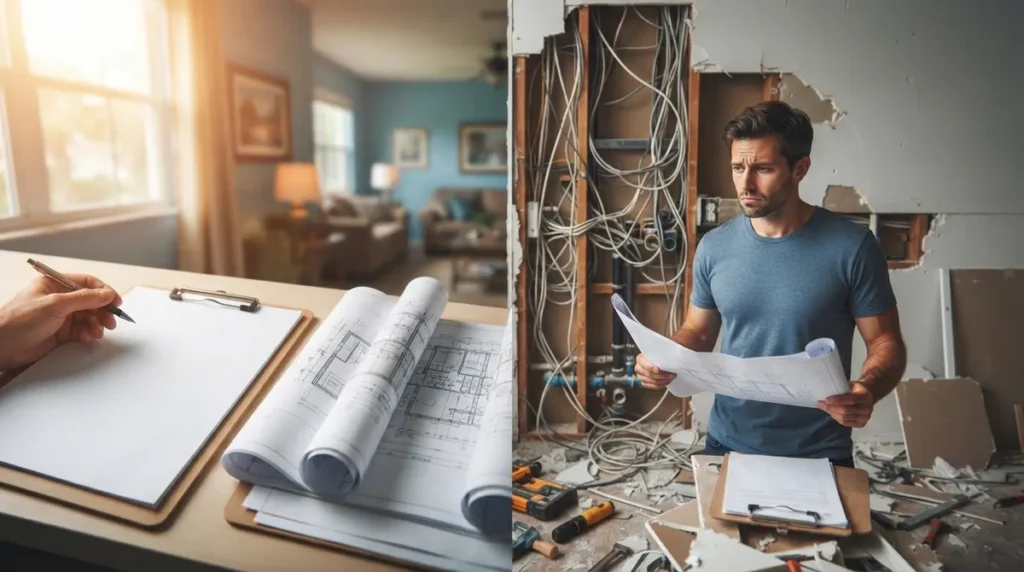
Key Takeaways
-
Current property owners are responsible for resolving unpermitted work discovered before closing, regardless of when it was completed or who did it, making early investigation before listing essential to avoid closing delays.
-
Orlando's separate City and County permitting systems require identifying the correct jurisdiction (City of Orlando vs. Orange County) before pulling permits, as checking the wrong department wastes weeks and delays resolution.
-
After-the-fact permits are not automatic approvals; inspectors may require opening walls, ceilings, or floors to verify hidden structural, electrical, or plumbing work, potentially adding months to the closing timeline.
-
Lenders, insurers, and title companies can independently block closings due to unpermitted work—even if one party approves, insurance denial or strict FHA/VA requirements can still halt the transaction.
-
Distinguishing between open permits, expired permits, code violations, and completely unpermitted work is critical, as each requires a different fix and has different timelines for resolution.
-
Hiring a permitting specialist early in the process, ideally before inspection begins, prevents costly delays by correctly identifying jurisdiction, coordinating inspections, and managing reviewer comments without back-and-forth delays.
Picture this: you're 48 hours from closing on that charming bungalow near Lake Eola, boxes half-packed, movers booked, and then the phone rings. The title company found an unpermitted addition. Or maybe the buyer's inspector spotted a room that doesn't match the county's records. Suddenly everyone's calendar is on hold, and nobody's quite sure who's supposed to fix it. If this sounds familiar, take a breath. You're not the first person this has happened to, and it's absolutely fixable. Orlando real estate deals get delayed by unpermitted work more often than most people realize, and the good news is there's a clear, methodical path back to the closing table.
Whether you're a homeowner selling your first house, a real estate agent juggling a tight deadline, or a general contractor trying to help a client untangle old permits, this guide walks through exactly why these delays happen, who's on the hook, and how to move things forward without losing your mind (or your buyer).
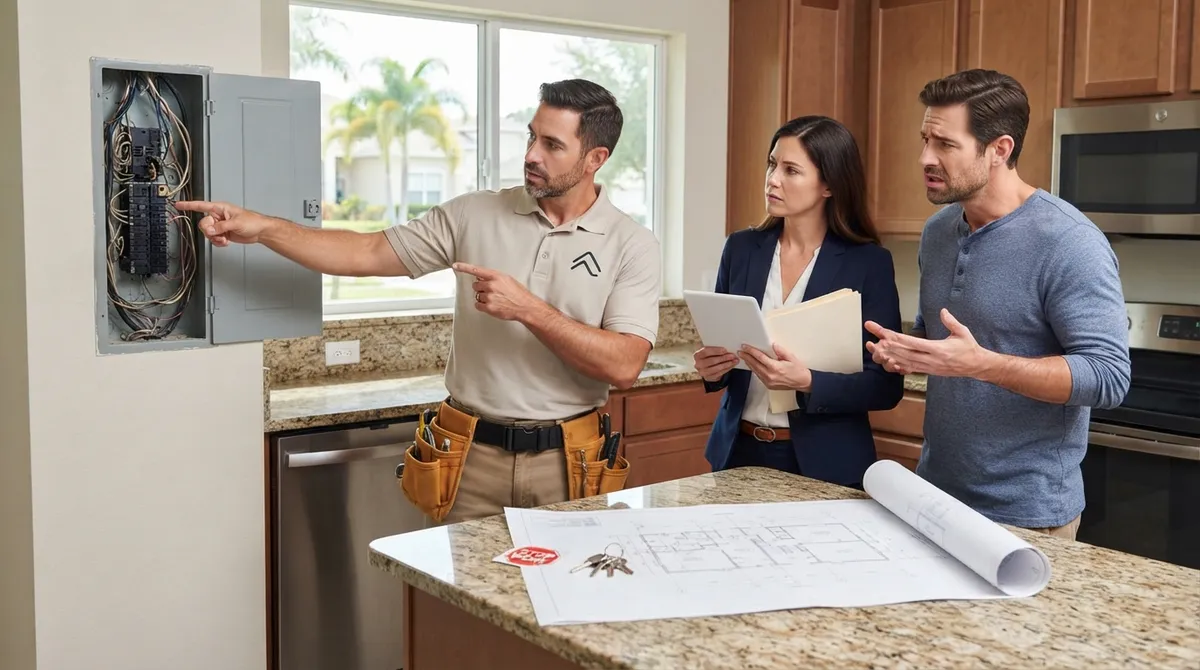
Why Unpermitted Work Stalls Orlando Closings
Unpermitted construction becomes a closing problem the moment someone with authority over the transaction notices it. That could be a lender reviewing an appraisal, a title company running a permit search, an insurer flagging a discrepancy, or a home inspector poking around an attic conversion that never should have passed without a final inspection. Once it's flagged, the deal typically can't move forward until the issue is documented, addressed, or contractually resolved.
Florida Statutes section 553.79 generally requires a permit before you construct, alter, repair, remodel, or demolish regulated building work. The exact requirement depends on scope and jurisdiction, but the takeaway is simple: if the work should have had a permit and didn't, that gap can follow the property for years, sometimes surfacing right when you least want it to.
Common Culprits Behind the Delay
- Room additions or garage conversions completed without a final inspection
- Electrical panel upgrades or rewiring done "off the books"
- Pool installations, screen enclosures, or lanai conversions missing permits
- Roofing replacements that were never closed out with the city or county
- HVAC or plumbing modifications that don't match permit history
- Additional dwelling units (like a converted garage apartment) added without proper approval
None of these automatically kill a sale. Florida generally allows properties to be sold with disclosed issues. But an unresolved, undisclosed, or unaddressed permit gap can absolutely derail financing, insurance, or the buyer's confidence, which is where the real delay comes from.
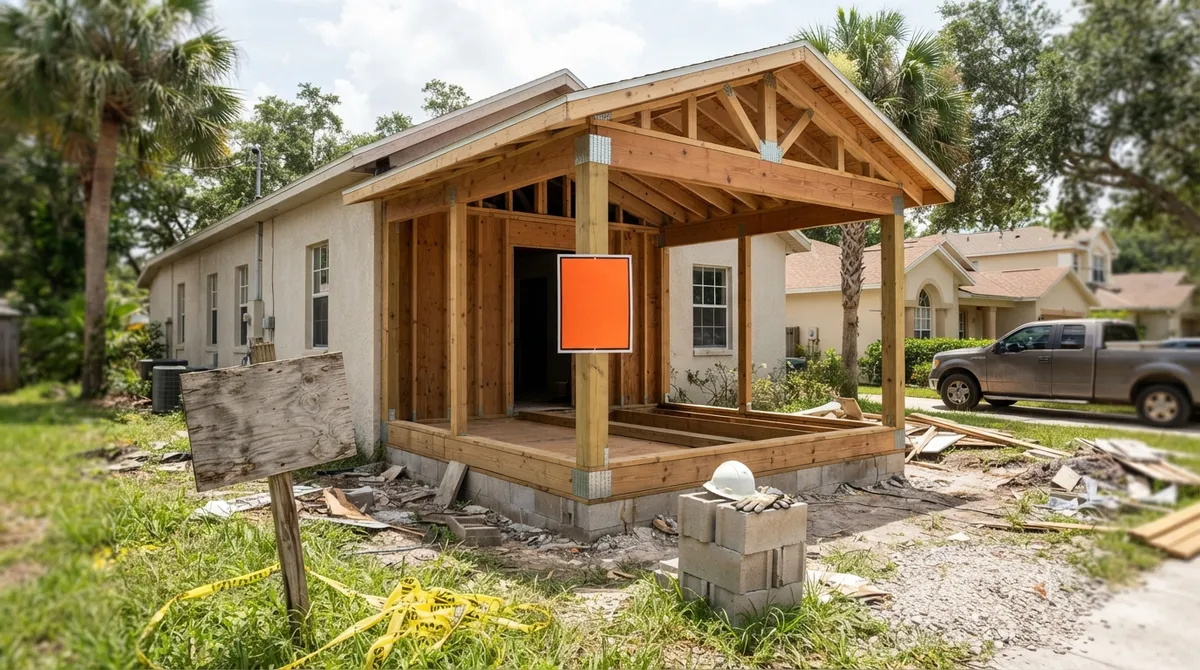
Orlando's Permitting Puzzle: City vs. County vs. Everyone Else
One detail that trips up even experienced agents: Orlando city limits and unincorporated Orange County are two completely separate permitting systems. A property just a few blocks apart could fall under entirely different departments, and pulling records from the wrong one means missing the real story.
| Property Location | Permitting Authority | What to Check |
|---|---|---|
| Inside Orlando city limits | City of Orlando Code Enforcement / Permitting | Permit history, code violations, final inspections |
| Unincorporated Orange County | Orange County Building Division | County permit records, open/expired permits |
| Winter Park, Maitland, other municipalities | Individual city building departments | Local permit databases, separate from county system |
The City of Orlando's Code Enforcement Division directs owners to obtain appropriate permits for unapproved work, and you can reach them directly at 407-246-2686 or codeenforcement@orlando.gov if you want to confirm jurisdiction before digging further. Getting this step wrong early on is one of the most common reasons people waste weeks chasing the wrong department. Our Building Department Lookup tool can help you confirm the correct authority before you make a single phone call.
Open Permit, Expired Permit, or Straight-Up Unpermitted? Know the Difference
These terms get thrown around interchangeably, but they mean very different things to a building department, and each requires a different fix.
| Status | What It Means | Typical Fix |
|---|---|---|
| Open Permit | A permit was pulled but never finalized or inspected | Schedule remaining inspections, close it out |
| Expired Permit | Permit lapsed due to inactivity or missed deadlines | Reactivate, extend, or reapply depending on jurisdiction |
| Code Violation | Enforcement action tied to unsafe or noncompliant conditions | Correct the violation, then request re-inspection |
| Unpermitted Work | No permit was ever pulled for the work performed | After-the-fact permit application, possible corrective work |
Sorting out which category you're dealing with is the first real step toward a solution, and it's exactly the kind of research our team handles daily through our Open Permit Search tool.
Who's Actually Responsible for Fixing It?
Here's something that surprises a lot of sellers: it usually doesn't matter who did the unpermitted work. If you're the current owner, you're generally the one who needs to resolve it, even if a previous owner or a contractor from a decade ago installed that sunroom without a permit.
That said, Florida's disclosure standard, associated with the case Johnson v. Davis, generally requires sellers to disclose known material facts that could affect a property's value or desirability. Concealing known unpermitted work can create serious legal exposure down the road, so transparency really is the better path, both ethically and financially.
Steps to Resolve Unpermitted Work Before Closing
- Pull the complete permit history for the property from the correct jurisdiction (city or county)
- Compare permit records against the actual physical condition of the home
- Get a licensed contractor or engineer to assess whether the existing work meets current code
- Apply for an after-the-fact permit if the work can be legalized as-is
- Complete any required corrective work, which might mean opening walls or ceilings for inspection
- Schedule and pass all required inspections
- Obtain final permit closure from the building department
This process can take anywhere from a few weeks to several months depending on scope, jurisdiction backlog, and whether concealed elements like wiring or framing need to be exposed for inspection. That's why waiting until inspection week to start this process is almost always a mistake.
What an After-the-Fact Permit Actually Involves
A lot of people assume an after-the-fact permit is a rubber stamp, pay a fee, get a piece of paper, done. It's not that simple. Inspectors may require portions of walls, ceilings, or floors to be opened so they can physically verify structural, electrical, plumbing, or mechanical work that was covered up before it was ever inspected.
This is where having in-house engineering support really pays off. When a reviewer flags a structural concern or asks for sealed drawings to support the application, you don't want to be waiting on an outside consultant who takes two weeks to call back. Our After The Fact Expired Permits service exists specifically for this scenario, and because our engineering is handled in-house, revisions and reviewer comments get addressed quickly instead of sitting in someone's inbox.
How This Plays Out for Different People in the Transaction
For Sellers and Homeowners
If you're selling, the fastest way to avoid a closing-day surprise is to investigate before you list. Pull permit history early, distinguish between what's closed, open, expired, or missing entirely, and get written estimates for any corrective work before you're negotiating under pressure with a buyer's deadline looming. Our Homeowners resources walk through exactly what to expect.
For Real Estate Agents and Investors
Agents juggling multiple closings don't have time to become permitting experts overnight, and honestly, you shouldn't have to. Bringing in a permitting specialist early, ideally before the inspection period even starts, can mean the difference between a two-week resolution and a deal that falls apart. Check out our Realtor Closing Support service, built specifically for these time-sensitive situations.
For General Contractors
If you're the contractor brought in to fix the unpermitted work, you need accurate as-built documentation, sealed engineering where required, and a permit filing process that doesn't stall out in review. That's where As Built Drawings and Plan Review Coordination become essential, especially on tighter closing timelines.
Will a Lender Even Finance the Property?
This is one of the most common questions we hear, and the honest answer is: it depends on the lender, the loan type, and the severity of the issue. Conventional lenders may require open permits to be closed before funding. FHA and VA loans can be even stricter about safety-related concerns. Insurance carriers may also decline coverage or add exclusions if unpermitted electrical, plumbing, or structural work is discovered, which can independently stall a closing even if the lender is otherwise fine with it.
This is exactly why getting ahead of the issue matters so much. A Urgent Permit Rescue approach, where a specialist steps in immediately to assess options, can sometimes save a closing date that would otherwise be lost entirely.
A Note on Jurisdiction-Specific Nuances
Because Orlando sits within Orange County, but plenty of nearby transactions touch Seminole, Osceola, or Volusia County lines, it's worth double-checking exactly which building department has authority before assuming anything. We've written in depth about related scenarios in Open Permit Found At Closing and How to Fix an Expired Building Permit Orlando FL, both of which dig into scenarios very similar to what you might be facing right now.
If your property happens to sit somewhere else in the state, our county-specific resources for Orange County, Seminole County, and dozens of other Florida counties can help you find the right starting point no matter where the property is located.
Why Bringing in a Permit Specialist Actually Saves Time
A permitting specialist can't replace a licensed contractor's actual work or a building official's final sign-off, but what they can do is remove a tremendous amount of friction. That includes identifying the correct authority, comparing permit records against the property's real condition, assembling as-built documentation, coordinating with licensed contractors or engineers, and responding to plan review comments without the back-and-forth delays that come from juggling multiple outside vendors.
At 1 Contractor Solutions, this is genuinely what we do all day, every day, across all 67 Florida counties. Our team has helped homeowners, agents, and contractors resolve exactly this kind of closing-day panic, and because our drafting and engineering happen in-house, we're not stuck waiting on someone else's schedule when a reviewer has a question. If you'd like to see how local clients feel about working with us, Visit us on Google — 1 Contractor Solutions and read a few real experiences.
Quick Reference: What to Do Right Now
- Pull the full permit history from the correct city or county department immediately
- Don't wait for the buyer's deadline to start investigating
- Get a written scope and timeline from a licensed contractor or permitting specialist
- Loop in your title company and lender early so there are no surprises later
- Document everything, since transparency protects you legally under Florida's disclosure standards
- Consider whether an after-the-fact permit, corrective work, or a documented credit in the purchase contract makes the most sense for your timeline
We also recommend following industry updates through follow us on LinkedIn and follow us on Facebook, where we regularly share practical tips for navigating exactly these kinds of Florida permitting headaches.
Bringing It All Together
A closing held up by unpermitted work in Orlando feels overwhelming in the moment, but it's a well-worn problem with well-worn solutions. The property doesn't need to be perfect. It needs accurate records, honest disclosure, and a clear plan that satisfies whoever's standing between you and the closing table, whether that's a lender, an insurer, or a nervous buyer.
You don't have to figure out the right jurisdiction, assemble the paperwork, and track every inspection alone. If you're staring down a closing date that feels at risk, reach out and get a free quote from our team, and let's get your permits, and your closing, back on track.
FAQs
Can I close on an Orlando house with unpermitted work?
In many cases, yes, you can still close, but it usually requires disclosure, lender approval, and sometimes a documented plan like an escrow holdback or corrective agreement. Florida doesn't generally prohibit selling a property with unpermitted work, but transparency with your buyer, lender, and title company is essential to keep things moving.
Who is responsible for unpermitted work discovered before closing in Florida?
As the current owner, you're typically the one responsible for resolving it, even if a previous owner or old contractor did the work decades ago. It's not the most fun news to hear, but the good news is that resolution is very doable once you know which jurisdiction to work with.
How do I check permit history for an Orlando property?
You'll need to check with the correct authority, either the City of Orlando or Orange County, since they're separate permitting systems. Our Building Department Lookup tool can help you confirm exactly which department has jurisdiction before you start pulling records.
What is an after-the-fact permit in Orlando?
It's a permit application submitted after construction has already happened, essentially asking the building department to review and approve work retroactively. It's not automatic approval though, inspectors may require opening up walls or ceilings to verify structural or electrical work that was covered before it was inspected.
Will a mortgage lender finance a home with open permits or unpermitted renovations?
It really depends on the lender and loan type, but many conventional, FHA, and VA lenders will want open permits closed and unpermitted work addressed before funding. The safest bet is to get ahead of this early rather than discovering it during underwriting.
We do this work every day across all 67 Florida counties. Call (866) 314-6931 and we will tell you what your situation actually requires — including when you do not need us.
Related services
Permit Facilitation & Filing
You have a crew scheduled, a client asking for dates, and a permit sitting somewhere in a queue you cannot see. We file it, w…
See the servicePlan Review Coordination
A permit in plan review is not one queue. On a commercial project it can be six queues, each with its own reviewer, its own c…
See the serviceReady to get your permit moving?
One call tells you which jurisdiction controls your project, what it will take, and what it will cost. Most of the time we can scope it on the phone.