
Blog
After-the-Fact Permit vs. Ignoring It: Jacksonville Choice
Unpermitted work in Jacksonville? Compare after-the-fact permits vs. ignoring it, with fines, double fees, steps, and tips to legalize your project.
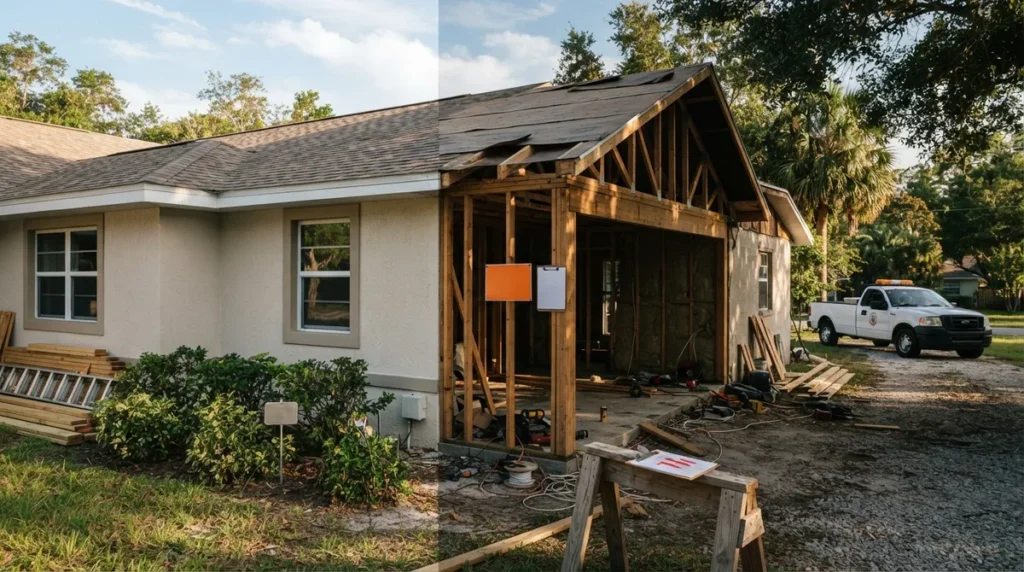
Key Takeaways
-
Jacksonville fines unpermitted work $250 and doubles the permit fee, but paying the doubled fee does not erase the violation or prevent prosecution—it's only the cost of getting legal.
-
An after-the-fact permit requires inspection and code verification, and the city may demand concealed work be opened up or corrective action taken before approval is granted.
-
Unpermitted work often surfaces during home sales, refinancing, insurance claims, or code complaints, making it costlier and more stressful to address later than coming forward early.
-
Florida's owner-builder exemption relates to contractor licensing, not permits—qualifying owners still need required permits and inspections regardless of this exemption.
-
Common unpermitted work in Jacksonville includes room additions, roof replacements, electrical upgrades, HVAC changes, pools, fences, and solar installations; confirm requirements with Building Inspection Division before starting any project.
-
The $7,500 small job exemption has significant restrictions: it excludes electrical, plumbing, structural, gas work and properties in flood hazard areas, and requires a written exemption request with documentation.
Let's be honest: nobody wakes up hoping to learn they have work done without a permit in Jacksonville, FL. Maybe you bought a house and discovered the previous owner's sunroom never had paperwork. Maybe a contractor swore "it's too small to need one." Or maybe you just wanted that deck finished before the Fourth of July cookout. Whatever the story, take a breath. You're in good company, and there is a clear path forward.
The real question isn't whether it happened. It's what you do next. Do you quietly hope nobody notices, or do you step forward and legalize the work with an after-the-fact permit? Those two roads lead to very different places, especially when a sale, a refinance, an insurance claim, or a code complaint enters the picture.
In this friendly comparison, we'll walk through what Jacksonville expects, what the fines and fees look like in 2026, how the two paths stack up side by side, and how to get moving. Whether you're a homeowner, a general contractor, a solar installer, or a real estate pro, you'll leave with a plan.
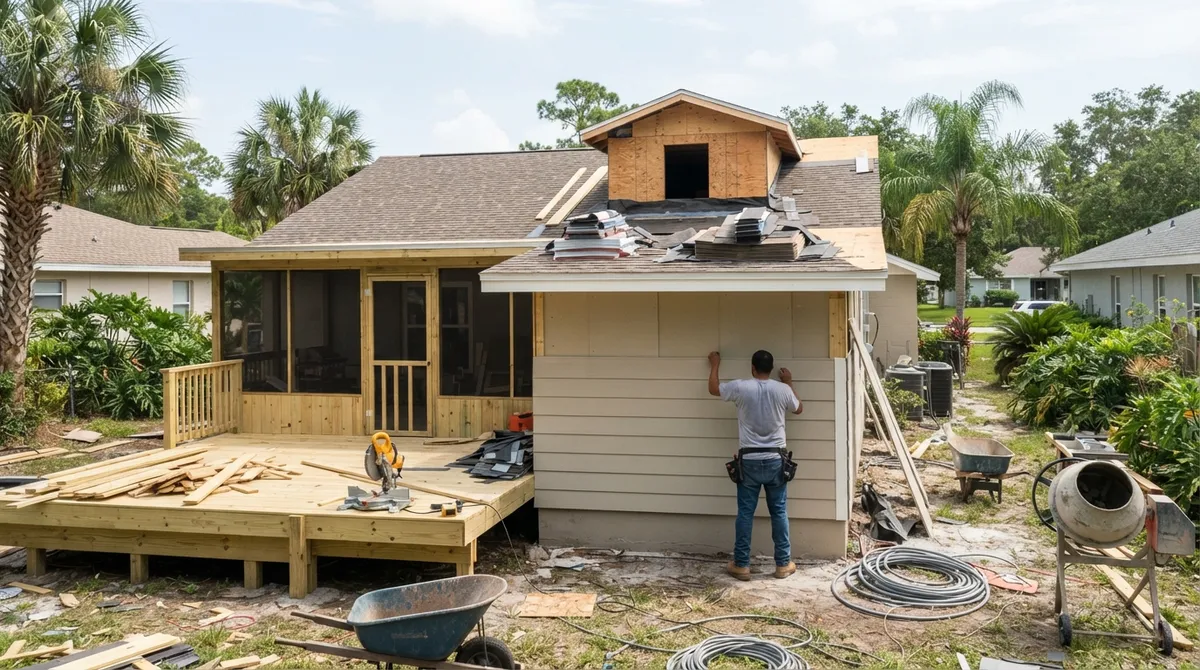
What Counts as Work Done Without a Permit in Jacksonville?
Florida law generally requires a permit before anyone constructs, alters, repairs, or demolishes a building, and the local enforcing agency issues that permit (see Florida Statutes §553.79). In Jacksonville, that agency is the city's Building Inspection Division. If permit-required work starts before you have the permit in hand, it's considered unpermitted work, even if the job was done beautifully.
Common examples we see across Duval County include:
- Room additions, enclosed patios, and garage conversions
- Roof replacements and structural repairs
- Electrical panel upgrades, rewiring, and generator hookups
- Plumbing re-pipes, water heater swaps, and bathroom relocations
- HVAC replacements and ductwork changes
- Pools, pool cages, fences, and retaining walls
- Solar and battery installations
- Impact windows and doors
A quick note on a very common myth: Florida's owner-builder exemption (Florida Statutes §489.103(7)) relates to contractor licensing, not to permits. It may let a qualifying owner do certain work without a contractor's license, but it does not by itself waive the permit requirement. If you're curious how that works, our owner-builder permits page explains the details.
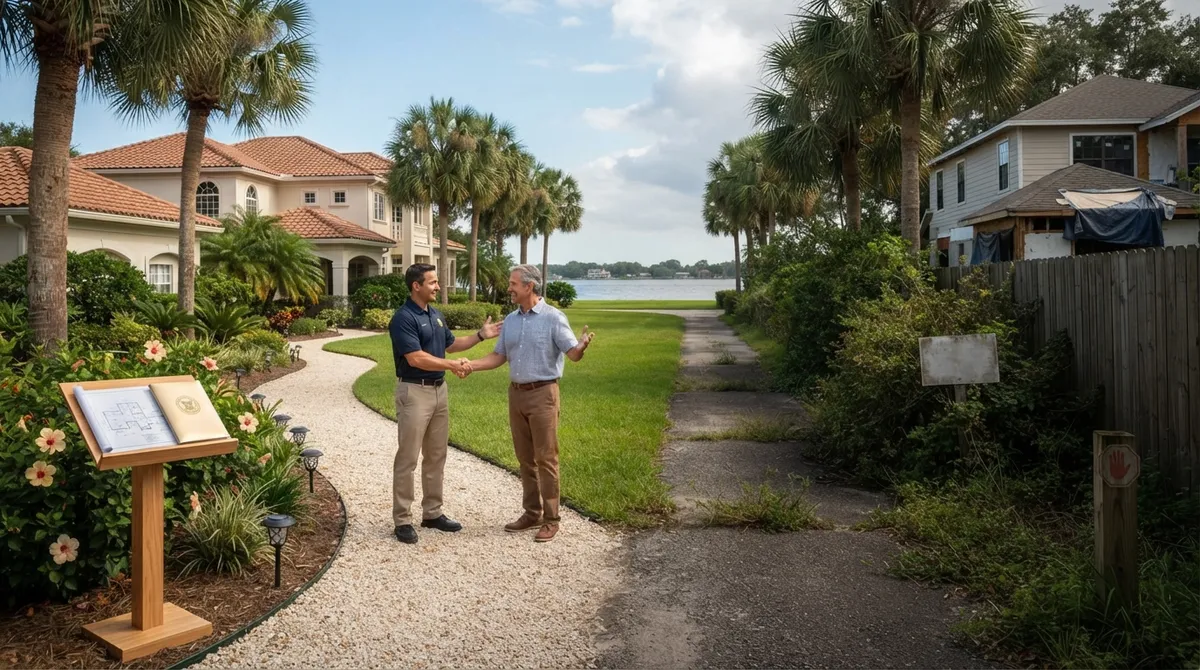
The Two Paths: Come Forward or Stay Quiet
Think of this as a fork in the road. One path is the after-the-fact permit, where you disclose the work, apply, and get it inspected. The other is ignoring it and hoping the issue never surfaces. Here's how they compare at a glance.
| Factor | After-the-Fact Permit | Ignoring the Problem |
|---|---|---|
| Upfront cost | Permit fee (doubled), plans, possible engineering | $0 today |
| Fine exposure | Potential fine, but you're resolving the issue | Fine plus enforcement action if discovered |
| Safety verification | Inspector confirms the work meets code | Hidden defects stay hidden |
| Selling your home | Documented, closable file | Buyer inspections and appraisals may flag it |
| Insurance claims | Work is documented and verified | Claims may be questioned or disputed |
| Stress level | Moderate, then done | Ongoing low-grade worry |
Ignoring it feels free, but the costs tend to show up later, usually at the worst possible moment.
What Jacksonville Charges: Fines and Double Fees
Here's where the numbers matter. Based on the City of Jacksonville's published residential guidance, starting work without applying for a required permit is unlawful and punishable by a $250 fine. On top of that, Jacksonville's code (§320.408) provides that when permit-required work begins before a permit is obtained, the permit fee is twice the regular fee.
Here's the part many people miss: paying the double fee does not erase the violation. The ordinance specifically notes that it doesn't excuse or prevent prosecution. In other words, the doubled fee is the cost of getting legal, not a free pass.
| Item | What to Expect in Jacksonville |
|---|---|
| Fine for starting without a permit | $250 (per the city's residential permit guidance) |
| Permit fee for work already started | Twice the regular permit fee (Jacksonville Code §320.408) |
| Does paying the double fee prevent prosecution? | No |
| Possible extra costs | Plans, engineering, opening up walls, corrective work |
Keep in mind that these figures reflect published guidance and can change, so always confirm current numbers with the Building Inspection Division before you budget.
How an After-the-Fact Permit Works in Jacksonville
An after-the-fact permit is not an automatic stamp of approval. Think of it as a verification process. The city wants proof the work is safe and meets applicable code, and you get a closed, legitimate permit record in return. A typical sequence looks like this:
- Confirm what's required. Contact Jacksonville's Building Inspection Division, describe the work, and ask what plans, inspections, and documentation apply.
- Document what exists. Photos, measurements, and as-built drawings capture exactly what was built. Our as-built drawings service handles this step.
- Get engineering if needed. Structural, electrical, or mechanical questions may call for a sealed letter or drawings, such as an engineer letter.
- Apply and pay the fees. File the application with the required plans and pay the doubled permit fee.
- Expect inspections and possible exposure. The agency may require concealed work to be opened up or otherwise documented so compliance can be evaluated.
- Correct anything that falls short. If something doesn't meet code, you'll fix it before approval.
- Close it out. Pass final inspection and secure your closed permit record.
For a deeper look at the process, our after-the-fact and expired permits page breaks down how we handle these files, and our guide on how to legalize unpermitted work in Florida is a good companion read.
The "Small Job" Exemption: Read the Fine Print
Florida Statutes §553.79 does include a limited exemption for certain work valued under $7,500 at a single-family dwelling. It sounds like a loophole, but it has strings attached. It does not cover specified electrical, plumbing, structural, mechanical, or gas work, and it doesn't apply to property in a flood hazard area. You also need to submit a written exemption request with supporting documentation to the local agency.
So please don't assume a small repair is exempt because a contractor said so, or because the prior owner "never had trouble." Requirements vary by trade, property location, and project details. A quick call to the Building Inspection Division before you start can save you real headaches.
Why Staying Quiet Usually Costs More
Ignoring unpermitted work can feel like a harmless gamble, but it tends to resurface in a few predictable ways:
- Home sales: Buyers' inspectors and appraisers sometimes spot additions that don't match public records, and a surprise at the closing table can stall everything. See how we handle that in open permit found at closing.
- Insurance claims: If damage involves unpermitted work, an insurer may question coverage.
- Code complaints: A neighbor, an inspector on another job, or a routine visit can trigger enforcement, and our code compliance violations team helps with those situations.
- Safety: Unverified electrical, structural, or gas work is a real risk to your family and your property.
- Refinancing and lending: Lenders sometimes require legalization before moving forward.
On the flip side, coming forward means you choose the timing instead of a deadline choosing it for you.
What Different Property Owners Should Know
Homeowners and Residential Property Owners
If you inherited unpermitted work, you're not automatically in trouble for what someone else did, but the property's compliance becomes your responsibility the moment you want to sell, insure, or improve it. Start by asking what the city has on file. Our free open permit search tool is a helpful first step.
General Contractors and Design Trades
If a project slipped past the permit stage, whether from a rushed schedule or a client's request, the cleanest fix is to disclose and legalize before it affects your reputation or your license. We work with contractors regularly, and you can learn more on our general contractors page.
Solar Companies
Solar and battery installs need code-compliant structural and electrical documentation. If an installation went in without the proper permit, sealed documentation plus an after-the-fact application is the way to get it into compliance. Check out our resources for solar contractors.
Real Estate Professionals
Agents and investors, you know how fast a closing can unravel over unpermitted work. Early research and a clear legalization plan keep deals alive. Our realtor and closing support service is built for exactly that.
DIY vs. Hiring a Permitting Team
You can absolutely approach the Building Inspection Division on your own, and some simple situations resolve that way. But after-the-fact files often involve missing drawings, engineering questions, and back-and-forth with reviewers. Here's how the two approaches compare.
| Consideration | Going It Alone | Working With a Permitting Team |
|---|---|---|
| Drawings and as-builts | You find a drafter and coordinate | Prepared and coordinated in house |
| Engineering and sealed letters | You hire and manage a separate engineer | Sealed by in-house engineering |
| Reviewer comments | You respond and resubmit yourself | Handled for you |
| Time commitment | High | Low |
| Best for | Very simple, well-documented jobs | Anything with structural, electrical, or deadline pressure |
At 1 Contractor Solutions, we act as Florida's outsourced permitting department. We prepare or review plans, file the application, track it, work every reviewer comment, and carry it through closeout. And because our drafting and engineering are in house, we're not waiting on an outside consultant to call someone back. You can see our Jacksonville permitting services page for local details.
A Quick Jacksonville Action Plan
If you've just realized you have unpermitted work, here's a simple game plan to start with:
- Pause any further work on the affected area
- Gather any receipts, photos, contracts, and prior permit records
- Check for existing or open permits on the address
- Call the Building Inspection Division to confirm what applies to your project
- Get as-built drawings and, if needed, a sealed engineer letter
- File the after-the-fact permit and schedule inspections
If a stop work order, denial, or closing date is already looming, our urgent permit rescue team steps in fast. We respond within 30 minutes, day or night, and yes, se habla español.
Wrapping Up: The Smarter Road Is the Open One
When it comes to work done without a permit in Jacksonville, FL, ignoring the issue might feel easier today, but it usually grows more expensive and more stressful with time. The after-the-fact route costs a doubled permit fee and some effort, yet it buys you something priceless: verified safety, a clean paper trail, and the freedom to sell, insure, or build on without a cloud overhead.
Remember that paying the double fee doesn't erase the original violation, an after-the-fact permit isn't automatic approval, and exemptions are narrower than most people think. When in doubt, confirm with the Building Inspection Division and get the right documentation lined up.
Ready to turn that nagging worry into a closed permit? Get a free quote and let our team handle the heavy lifting. You can also visit us on Google — 1 Contractor Solutions to see what our customers say, and follow along with tips and updates when you follow us on LinkedIn or follow us on Facebook. For the official statute language, you can also review Florida Statutes §553.79.
FAQs
What happens if I do work on my house without a permit in Jacksonville, FL?
Jacksonville's published guidance lists a $250 fine for starting required work without applying, and the permit fee is doubled when work has already begun. You may also face enforcement action and be required to correct or expose the work so it can be inspected. The good news is that coming forward early keeps you in control of the process.
Does paying the double permit fee in Jacksonville erase the violation?
Nope, and that surprises a lot of folks. Under Jacksonville Code §320.408, the doubled fee is simply the cost of getting the permit, and paying it does not excuse or prevent prosecution. Think of it as the price of getting legal, not a pardon.
Can Jacksonville make me open up walls or redo work done without a permit?
Yes, it's possible. The permitting authority may require concealed work to be exposed or otherwise documented so compliance can be evaluated, and anything that doesn't meet code may need to be corrected before approval. Exactly what's required depends on the scope, the site, and the inspection findings.
Does Florida's owner-builder exemption mean I can skip a permit?
Not at all. The owner-builder exemption in Florida Statutes §489.103(7) deals with contractor licensing, not building permits. Even a qualifying owner-builder generally still needs the required permits and inspections.
Can I sell a Jacksonville home that has unpermitted work?
It's possible, but it often complicates things. Buyers, lenders, appraisers, and insurers may flag unpermitted work, which can delay or derail a closing. Legalizing the work with an after-the-fact permit before listing is usually the smoother route.
We do this work every day across all 67 Florida counties. Call (866) 314-6931 and we will tell you what your situation actually requires — including when you do not need us.
Related services
Permit Facilitation & Filing
You have a crew scheduled, a client asking for dates, and a permit sitting somewhere in a queue you cannot see. We file it, w…
See the servicePlan Review Coordination
A permit in plan review is not one queue. On a commercial project it can be six queues, each with its own reviewer, its own c…
See the serviceReady to get your permit moving?
One call tells you which jurisdiction controls your project, what it will take, and what it will cost. Most of the time we can scope it on the phone.