
Blog
9 Milestone Inspection Fort Lauderdale FL Mistakes to Avoid
Avoid costly delays with this friendly guide to Fort Lauderdale milestone inspections, from program rules to repair permits.
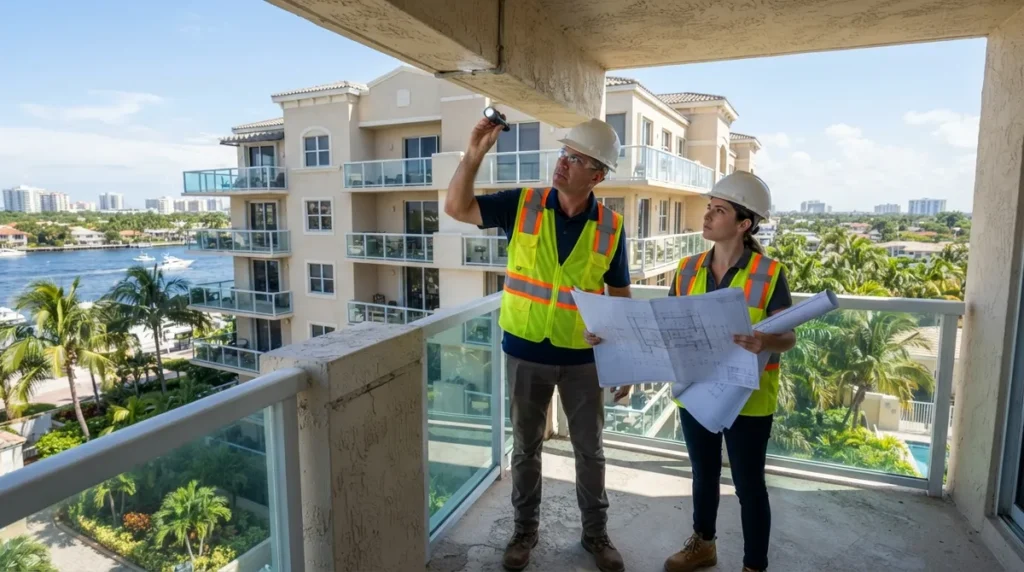
Key Takeaways
-
Confirm whether your Fort Lauderdale building falls under Florida's statutory milestone inspection (§553.899) or the City's BORA building safety program, since they have different criteria and timing.
-
Florida's statutory first milestone inspection is generally due at 30 years from the certificate of occupancy date, then every 10 years, though local agencies may require it at 25 years.
-
Only a Florida-licensed architect or engineer can perform a milestone inspection; permit services can coordinate paperwork but cannot replace the licensed professional.
-
Start early and gather records like the certificate of occupancy, as-built drawings, prior reports, and permit history, since licensed professionals are busy and missing documents can stall the process.
-
Phase two is triggered only if phase one finds substantial structural deterioration, so it does not automatically mean a building is unsafe, and boards should plan budgets for possible follow-up work.
-
Request a deadline extension early by showing you have contracted a licensed professional and acted in good faith, because agencies are far more receptive to documented efforts.
If you own or manage a condo in Fort Lauderdale, the words "milestone inspection" may already be keeping you up at night. Take a breath. This is a very manageable process once you know the rules, and most of the headaches come from a handful of avoidable missteps.
Here is the tricky part: a milestone inspection in Fort Lauderdale, FL can mean different things depending on your building. Florida's statutory milestone inspection targets qualifying condominium and cooperative buildings. Broward County also runs a separate building safety program through the Board of Rules and Appeals (BORA). Mixing the two up is one of the most common ways owners lose time and money.
In this friendly guide, we walk through nine mistakes we see again and again, plus the simple fixes. Whether you are a property manager, board member, contractor, or real estate pro, you will leave with a clear game plan for 2026. Let's get you ahead of the clock.
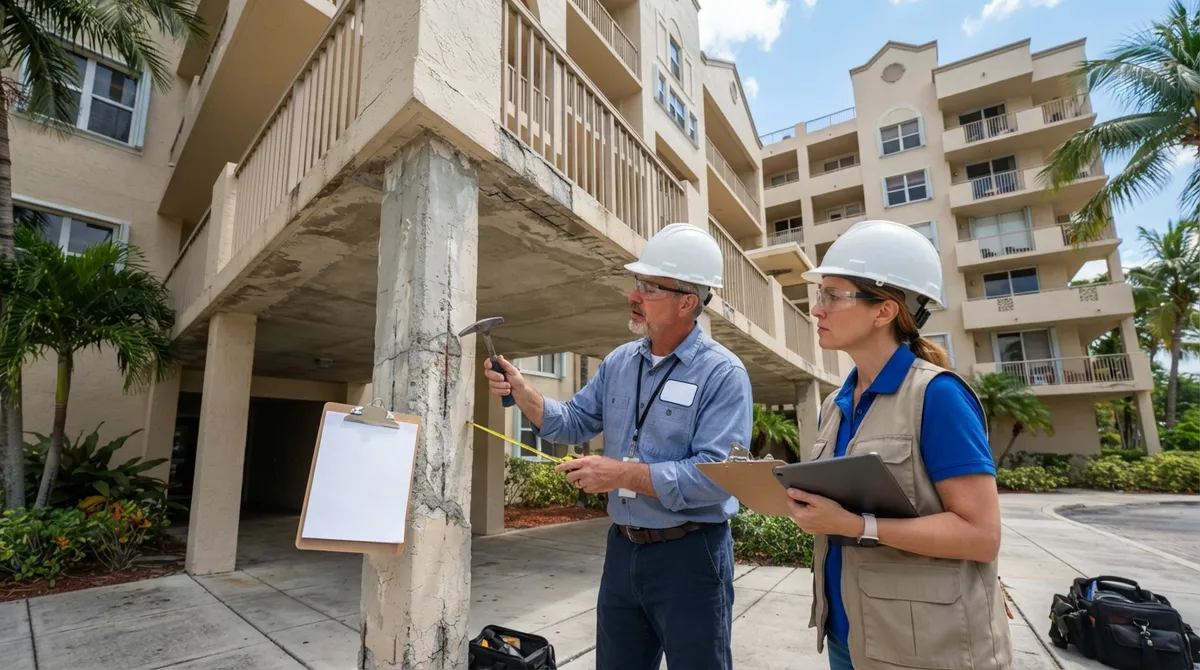
What a Milestone Inspection Actually Is
Before we dive into the mistakes, let's get the basics straight. Florida's milestone inspection law applies to residential condominium and cooperative buildings that are three or more habitable stories tall. A Florida-licensed architect or engineer performs the inspection to check the structural condition of the building.
Under Florida Statute §553.899, the standard first inspection happens when a building reaches 30 years of age, then again every 10 years. A local enforcement agency can require the first inspection at 25 years because of local conditions, such as proximity to salt water. Building age is generally measured from the certificate of occupancy date.
The Two-Phase Process
- Phase one: A visual examination of major structural components and a general assessment of the building's structural condition.
- Phase two: Only if substantial structural deterioration is found. This is a more detailed evaluation that may include testing or destructive investigation.
The association or building owner arranges and pays for the inspection. The report goes to the local enforcement agency, and the association must share the inspector's summary with unit owners.
Mistake 1: Assuming Every Inspection Program Is the Same
Fort Lauderdale's official Building Safety Inspection Program describes a separate BORA program for buildings and structures 25 years or older, with inspections generally at 25 years and every 10 years after. That is not automatically the same thing as the statutory condominium milestone inspection.
The fix is simple: confirm with the City of Fort Lauderdale or BORA which program and deadline apply to your specific property before you schedule anything. Our team can help with Fort Lauderdale permitting research so you are not guessing.
| Program | Who It Covers | Typical Timing |
|---|---|---|
| Florida Statutory Milestone Inspection (§553.899) | Condo and co-op buildings, 3+ habitable stories | 30 years, then every 10 (local agency may set 25) |
| Broward BORA Building Safety Inspection | Buildings and structures 25 years or older (per City's published schedule) | 25 years, then every 10 |
Mistake 2: Waiting Until the Deadline Is Close
Licensed architects and engineers who handle milestone inspections get busy, especially as more buildings come due. Florida's statutory transition deadlines have already passed: December 31, 2024 for buildings that reached the applicable age before July 1, 2022, and December 31, 2025 for buildings reaching it from July 1, 2022 through December 31, 2024.
If your building still has an outstanding obligation, contact the local enforcement agency promptly. Procrastination is the most expensive habit in this process.
Start Early Checklist
- Confirm your building's certificate of occupancy date.
- Confirm the applicable program and deadline with the City or BORA.
- Request proposals from licensed architects or engineers.
- Budget for possible phase two work and repairs.
Mistake 3: Hiring the Wrong Professional
A milestone inspection must be performed by a Florida-licensed architect or engineer. A general handyman, a contractor, or a permit expediter cannot do it. Permitting services can coordinate records, submissions, and repair permits, but they do not replace the required professional.
When you vet candidates, ask about their experience with high-rise coastal buildings, their familiarity with Broward County, and their timeline. If you already have structural needs on your radar, learn more about structural engineering support that can complement your inspection team.
Mistake 4: Skipping the Building Records Hunt
Your inspector will want documents, and tracking them down late can stall everything. If the certificate of occupancy record is unavailable, local occupancy records may be used to determine building age, but that substitution takes time.
Gather these early:
- Certificate of occupancy or equivalent occupancy records
- Original and as-built structural drawings, if available
- Prior inspection reports and repair histories
- Permit history for past structural or roofing work
Missing drawings are common in older buildings. If yours are incomplete, as-built drawings can fill the gap and make the inspector's job easier.
Mistake 5: Ignoring Open or Expired Permits
Here is a sneaky one. Open or expired permits can complicate records reviews and slow repair approvals. Before your inspection, run a quick check of the building's permit history. Our open permit search tool is a handy starting point.
If you find expired permits, do not panic. It happens in older buildings all the time. You can learn more about how to fix an expired permit in Fort Lauderdale and get things cleaned up before your inspector asks questions.
Mistake 6: Misunderstanding Phase Two
Many boards panic at the mention of phase two. But phase two only triggers if the phase one visual examination finds substantial structural deterioration. It does not mean your building is unsafe or doomed.
| Feature | Phase One | Phase Two |
|---|---|---|
| Method | Visual examination | Detailed evaluation, possibly testing or destructive investigation |
| Trigger | Required for the inspection | Substantial structural deterioration found |
| Cost impact | Lower | Higher |
| Result | General condition assessment | Detailed findings and repair recommendations |
Think of phase two like a doctor ordering a closer look after a routine checkup. It is about getting accurate information so repairs are targeted and safe.
Mistake 7: Forgetting the Reporting and Communication Rules
The inspection report must be submitted to the local enforcement agency. The association must also distribute the inspector's summary to unit owners and make the full report available as required by law.
Skipping or delaying these steps can create legal exposure and unhappy residents. Build communication into your timeline from the very start, and keep owners informed in plain, friendly language. Transparency builds trust and avoids rumor mills.
Mistake 8: Not Planning for Repairs and Permits
An inspection is only the beginning. If the inspector recommends repairs, the association should coordinate engineering, permitting, contractor work, and any required follow-up with the relevant building department. Permit requirements depend on the scope of corrective work.
Plan ahead for each of these steps:
- Review the inspector's recommendations with your board and counsel.
- Engage engineers to prepare sealed repair drawings where needed.
- File permit applications and track them through review.
- Coordinate contractor work, inspections, and closeout.
This is where permit facilitation and filing and plan review coordination can save associations weeks of back-and-forth. 1 Contractor Solutions acts as an outsourced permitting department, with in-house drafting and engineering, so reviewer comments get fixed fast instead of waiting on outside consultants.
Related Services You May Need
- 40-year recertification and milestone inspection support
- Engineer letters for specific repairs or conditions
- Code compliance violation help if notices arrive
Mistake 9: Not Asking About Extensions Soon Enough
Life happens. Sometimes you hire a professional but they cannot reasonably finish the work by the deadline. Florida law allows a local enforcement agency to grant an extension for good cause in qualifying circumstances, including when a professional has been contracted but cannot complete the work in time.
The key word is contracted. Agencies are far more receptive when you can show you acted in good faith. That means signing with a licensed professional early and documenting your efforts. Do not wait until the last week and hope for mercy.
A Simple Milestone Inspection Game Plan for 2026
Let's pull it all together into a step-by-step roadmap you can hand to your board or property manager.
- Verify your program. Confirm with the City of Fort Lauderdale or BORA whether the statutory milestone inspection, the BORA safety inspection, or both apply.
- Confirm building age. Pull the certificate of occupancy or local occupancy records.
- Hire a licensed architect or engineer. Sign a contract early and document it.
- Gather records. Drawings, permits, and prior reports.
- Clean up permit history. Close out expired or open permits.
- Complete phase one, and phase two if needed.
- Submit and share the report. Agency first, owners per the law.
- Plan repairs and permits. Coordinate engineering, permitting, and contractors.
For a deeper look at related condo requirements, check out our guide on what a milestone inspection is in Florida and what happens if a Florida condo misses its milestone deadline.
Who Benefits From Getting This Right
The milestone inspection process touches more people than you might think:
- Condo boards and property managers who carry the legal responsibility.
- General contractors who will perform repairs and need clean permit paths.
- Real estate professionals whose buyers ask about inspection status and reserves.
- Unit owners and homeowners who want safe, well-maintained buildings and stable property values.
- Architects, engineers, and design trades who need dependable permit administration support.
If you are a realtor helping a client close on a Fort Lauderdale condo, our realtor closing support can help sort out permit and records questions before they derail a closing. Property managers can explore our dedicated page for property managers.
Final Thoughts: You've Got This
A milestone inspection in Fort Lauderdale, FL does not have to be scary. Confirm which program applies, hire a licensed architect or engineer early, gather your records, and plan for any repair permits that follow. Avoid the nine mistakes above and you will be miles ahead of most buildings in Broward County.
Need a hand untangling records, permits, or repair filings? Our team serves all 67 Florida counties with same-day response and in-house sealed drawings. When you are ready, get a free quote and let us take the permitting weight off your shoulders. You can also follow us on LinkedIn, follow us on Facebook, or see what our 1 Contractor Solutions customers say on Google. For the official statute language, you can review Florida Statute §553.899 directly.
FAQs
Does my Fort Lauderdale condo need a milestone inspection or a Broward BORA building safety inspection?
It depends on your building, and sometimes it can involve both programs. Florida's statutory milestone inspection applies to qualifying condo and co-op buildings of three or more habitable stories, while the City's BORA program covers buildings 25 years or older. Check with the City of Fort Lauderdale or BORA to confirm which one applies to you.
At what age is a Fort Lauderdale condo building required to have its first milestone inspection?
Under Florida Statute §553.899, the standard first inspection is at 30 years, then every 10 years after. A local enforcement agency can require it at 25 years due to local conditions like proximity to salt water. Always confirm the exact deadline with your local agency.
Who is qualified to perform a Florida milestone inspection?
A Florida-licensed architect or engineer must perform it. Permit service companies can help coordinate records, submissions, and repair permits, but they cannot replace the licensed professional.
Does a milestone inspection require a building permit in Fort Lauderdale?
The inspection itself is a professional evaluation, but any corrective repairs that follow may require permits depending on the scope of work. Your engineer and permitting team can help sort out exactly what is needed.
Can the milestone inspection deadline be extended in Broward County?
Florida law allows a local enforcement agency to grant an extension for good cause in qualifying circumstances, such as when a professional has been contracted but cannot reasonably finish by the deadline. Contract early and document your efforts so you have a strong case.
We do this work every day across all 67 Florida counties. Call (866) 314-6931 and we will tell you what your situation actually requires — including when you do not need us.
Related services
Permit Facilitation & Filing
You have a crew scheduled, a client asking for dates, and a permit sitting somewhere in a queue you cannot see. We file it, w…
See the servicePlan Review Coordination
A permit in plan review is not one queue. On a commercial project it can be six queues, each with its own reviewer, its own c…
See the serviceReady to get your permit moving?
One call tells you which jurisdiction controls your project, what it will take, and what it will cost. Most of the time we can scope it on the phone.