
Blog
8 Things a Florida Building Official Does After the Fact
Learn what a Florida building official does after the fact, from jurisdiction checks to inspections, fees, and closeout, plus tips to speed approval.
Key Takeaways
-
The building official for your property's correct jurisdiction is the only one who can accept an after-the-fact application, so confirm the authority with your parcel number before filing to avoid wasted weeks.
-
An after-the-fact permit does not automatically legalize unpermitted work; the building official must confirm the work can be shown to comply with the Florida Building Code, or require corrections or removal.
-
Incomplete packets are a leading cause of rejection, so include as-built drawings, product approvals, and any engineer letters or sealed drawings the local department requires from the start.
-
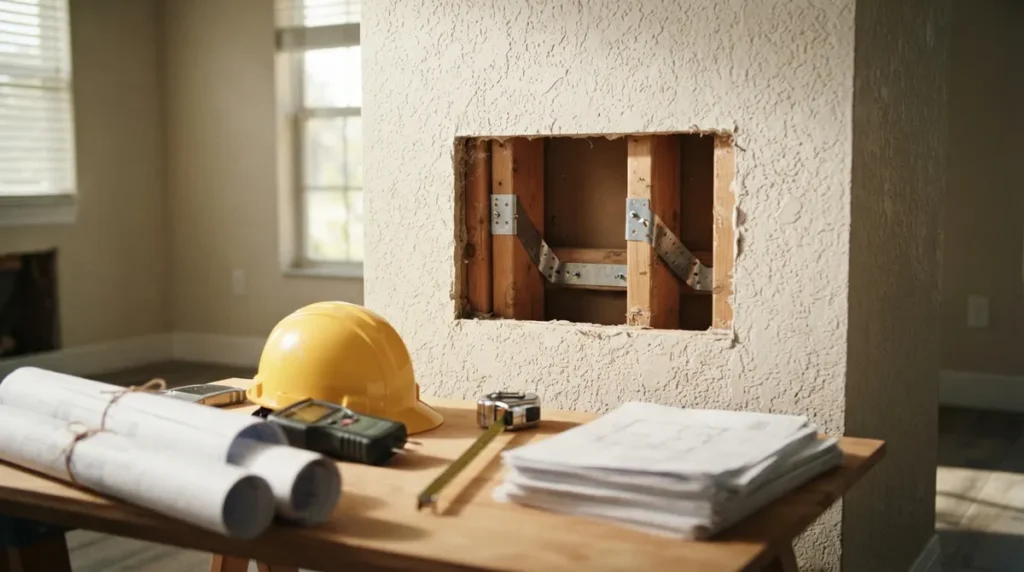
Because concealed work can't be inspected after the fact, expect possible selective demolition, photos, testing reports, or sealed engineer letters; a few strategic openings are often enough.
-
Structural, wind, and load-related work in Florida almost always requires licensed engineering documentation, so budget for it early rather than waiting for reviewer comments.
-
Unpermitted work does not automatically kill a home sale, but clearing it before closing via permit closeout or a negotiated credit helps keep financing, appraisal, and the deal on track.
Picture this: you bought a home with a gorgeous screened lanai, or you finished a remodel a few years back, and now someone mentions the word "unpermitted." Your stomach drops. Take a breath. You are far from alone, and there is a clear path forward.
When work is done without a permit, the person you will deal with is the building official after the fact in Florida. That is the local official, along with the plan reviewers and inspectors on their team, who decides how that work gets reviewed, what proof is needed, and whether it can be approved. Understanding what the building official does (and does not do) takes a lot of the fear out of the process.
Under Florida Statutes Section 553.79, permits are generally required before covered construction begins. So when that step gets skipped, the building department becomes your gatekeeper. This guide walks through eight things the building official does after the fact, plus what you can do to make the process smoother. Whether you are a homeowner, contractor, solar installer, or real estate pro, you will find something useful here.
1. Confirms Which Jurisdiction Actually Controls Your Property
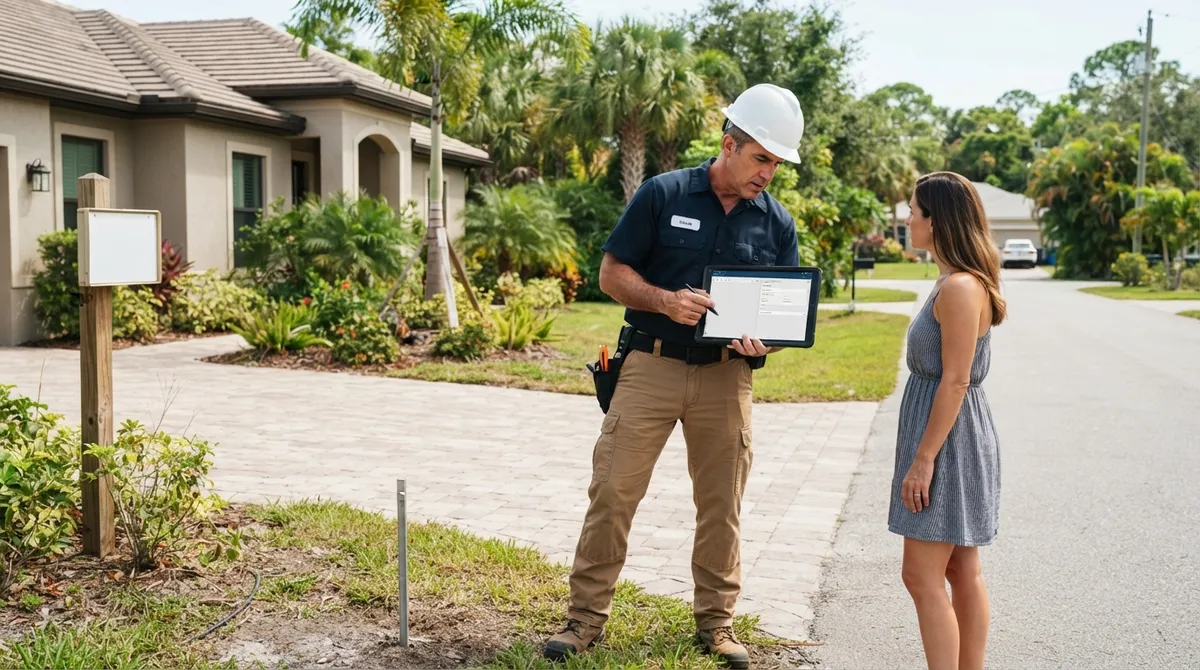
Before anything else, someone has to figure out who has authority. In Florida that is not always obvious. A property with a city mailing address may sit in unincorporated county territory, and a home near a city line may answer to a different building department than the neighbor's.
The building official for the correct jurisdiction is the only one who can accept your after-the-fact application. Filing with the wrong office wastes weeks. A quick call to the building department with your parcel number usually settles it, and our free building department lookup tool can point you in the right direction.
Because procedures and penalties vary widely from one jurisdiction to the next, never assume that what worked for a friend in another county will work for you. Local rules drive the outcome.
2. Reviews Whether the Work Can Be Permitted at All
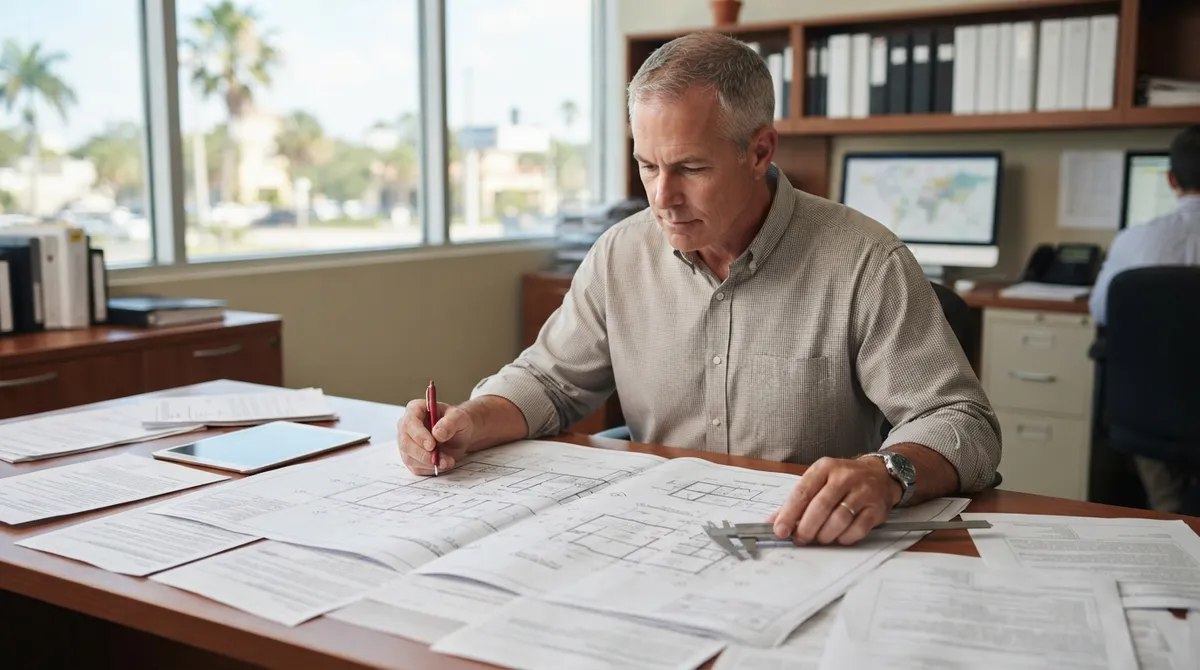
An after-the-fact permit is a local process for addressing work that was started or finished without a required permit. It does not automatically legalize anything. The building official's job is to administer and enforce the Florida Building Code, not to waive requirements because the work already exists.
In practical terms, the department asks one big question: can this work be shown to comply with code? If yes, the path is a permit, inspections, and closeout. If parts of it cannot be shown to comply, the official may require corrections or removal of those portions.
Here is the encouraging part. Most unpermitted work, especially work done by a competent installer, can be documented and approved with the right paperwork. Our team handles exactly this through after-the-fact and expired permit services, and we take the files other people decline.
3. Sets the Application Checklist and Required Documents
Every department publishes its own list of what it wants to see. The building official's office decides what your packet must include, and it can differ by project type.
Common items include:
- A completed permit application naming the property owner and, where required, a licensed contractor
- As-built drawings or a site plan showing what exists today
- Structural, electrical, plumbing, or mechanical documentation as applicable
- Product approvals for items like windows, doors, and roofing materials
- Engineer letters or sealed drawings verifying code compliance
- Proof of ownership and any required affidavits
This is where professional drafting pays for itself. Clean as-built drawings and a well-organized packet help reviewers say yes faster. Missing or sloppy documents are the number one reason after-the-fact applications bounce back.
4. Calculates Fees and Penalties
Nobody loves this part, but it is worth knowing: starting work without a permit often triggers a higher fee. How much depends entirely on your jurisdiction. There is no statewide formula.
For example, the City of Miami's published fee schedule states that work started without a permit can cost a multiple of the standard permit fee, with different multipliers for homestead and non-homestead or commercial properties. That is a local example only, so always confirm the current schedule with your own building department.
| Fee Factor | What to Expect |
|---|---|
| Standard permit fee | Based on project valuation or scope |
| Work-without-permit surcharge | Often a multiple of the base fee; set locally |
| Homestead vs. commercial | Some jurisdictions use different multipliers |
| Plan review and inspection fees | Charged on top of the permit fee |
| Engineering and drafting | Separate cost for sealed documents |
For a deeper look at numbers, see our guide to after-the-fact permit costs in Florida.
5. Requires Inspections, Including Exposing Concealed Work
Here is the part that surprises people. Normally, inspectors see framing, wiring, and plumbing before the walls are closed up. After the fact, that opportunity is gone, so the building official has to find another way to verify the work.
Depending on what was built, the department may require:
- Field verification by an engineer or inspector
- Selective demolition, such as small openings in drywall, to view structural or electrical connections
- Photographs or testing reports
- A sealed engineer letter confirming the work meets code
The exact requirements are set by the local authority. If you are wondering whether walls will really have to come down, our article on whether you will have to demolish unpermitted work explains when that happens and when it does not. Often a few strategic openings are enough.
6. Evaluates Engineering and Sealed Documentation
For anything structural, electrical load related, or wind related, the building official will want a licensed professional to vouch for the work. This is especially true in Florida, where wind and flood requirements are no joke.
That usually means an engineer's evaluation, letter, or sealed drawings. It might cover a lanai roof, a pool cage, a retaining wall, a roof truss system, or a garage conversion. Having in-house engineering means a reviewer's comment gets answered quickly instead of waiting on an outside consultant to call someone back.
If you are a solar installer, this matters too. Distributed energy projects need code-compliant structural and electrical documentation, and an after-the-fact install is no exception. Our solar contractor support covers exactly that.
7. Holds Licensed Contractors Accountable
The building official does not operate alone. State law backs up the permitting system. Florida Statutes Section 489.129 lists proceeding on a job without applicable local building permits and inspections as grounds for disciplinary action against a licensed contractor.
For property owners, this raises a practical question: who is responsible when a contractor skipped the permit? It depends on the contract, the license status, and the facts. A few smart moves:
- Verify any contractor's license before hiring
- Put in writing who is responsible for pulling permits
- Keep copies of contracts, payments, and photos of the work
- Ask the building department about contractor complaint procedures
If a previous owner or a vanished contractor left you with the mess, you are not the first. Our guide on what to do if a prior owner skipped permits lays out the next steps.
8. Issues Final Approval and Closeout
When the documents check out, the inspections pass, and any corrections are done, the department closes the permit. That closeout is the real finish line. It creates the public record showing the work was reviewed and approved.
Depending on the project, closeout may also involve a Certificate of Completion or Certificate of Occupancy. If your property is in the middle of a sale, this paperwork can be the difference between a smooth closing and a stalled one. Our realtor and closing support exists for exactly this situation.
Realtors and investors, take note: an open or unpermitted item can surface through a title search, appraisal, or inspection. Clearing it before the closing date keeps everyone calm and the deal intact.
How the Process Typically Flows
Every jurisdiction does things a little differently, but most after-the-fact cases follow a similar rhythm.
- Contact the building department for the correct jurisdiction and ask for the after-the-fact checklist, fee schedule, and inspection process.
- Document existing conditions with measurements, photos, and as-built drawings.
- Get engineering where the work is structural, wind related, or concealed.
- File the application with a complete packet and pay the applicable fees.
- Respond to reviewer comments promptly with revisions and resubmittals.
- Pass inspections and complete any required corrections.
- Close the permit and keep your final documents for future sales or refinancing.
Want to see how this works at the front desk? Our walkthrough on how to get an after-the-fact permit in Florida covers each step in plain English.
Who Benefits Most From Professional Help?
You can try this process on your own, and some owners do. But the learning curve is steep, and mistakes cost time. Here is how different readers tend to benefit.
| Reader | Common Situation | How Professional Help Saves Time |
|---|---|---|
| Homeowners | Inherited a lanai, shed, or remodel without permits | Handles drawings, filing, and reviewer comments |
| General contractors | Client work lacked a permit or one expired | Tracks the file and manages resubmittals |
| Solar companies | Install needs retroactive documentation | Provides structural and electrical sealed documents |
| Real estate pros | Open permit or unpermitted work threatens closing | Speeds clearance before the closing date |
| Design and trade pros | Need outsourced drafting or engineering | Delivers permit-ready sets without in-house overhead |
Every one of these situations is common, fixable, and nothing to be embarrassed about. At 1 Contractor Solutions, we act as Florida's outsourced permitting department. We have worked across all 67 counties, and our in-house team prepares plans, files the application, tracks it, and carries it through approval. You can also visit us on Google — 1 Contractor Solutions to see what customers say about working with us.
Mistakes That Slow Down After-the-Fact Approval
A little foresight goes a long way. These are the pitfalls we see most often:
- Waiting too long. Problems rarely shrink. Addressing them early usually costs less.
- Filing with the wrong jurisdiction. Confirm who has authority first.
- Submitting incomplete packets. Missing drawings trigger rejection letters.
- Hiding the issue. Disclose the unpermitted work upfront; transparency tends to help.
- Skipping engineering. Structural and wind items almost always need it.
- Ignoring expired permits. An expired permit is a separate problem with its own fix. See our guide to closing an expired permit in Florida.
If you have already received a notice, do not panic. Review our advice on what to do when you get a code enforcement notice, and consider our code compliance violation services for hands-on help.
Selling a Home With Unpermitted Work
Many readers land here because of a sale. The short version: unpermitted work does not automatically kill a deal, but it can complicate financing, insurance, and negotiations. Buyers' lenders and inspectors increasingly look for it.
Your options generally include fixing it before closing, negotiating a credit, or closing with a plan in place. The right call depends on the scope of the work and your timeline. Our article on whether a home sale can close with unpermitted work in Florida breaks down each path. For tighter timelines, our urgent permit rescue service is built for closings and stop work orders that cannot wait.
Want to stay in the loop on Florida permitting tips? Follow us on LinkedIn or follow us on Facebook for regular updates. For official statutory language on contractor discipline, you can also review Florida Statutes Chapter 489.
Conclusion: You Have a Path Forward
The building official after the fact in Florida is not an enemy. Their role is to confirm that work meets code, and when you give them clear documents, honest disclosure, and proper engineering, most cases move toward approval. From confirming jurisdiction to final closeout, each of the eight steps above is manageable when you know what to expect.
If you would rather hand the paperwork to a team that does this every day, we are ready. Our drafting and engineering are in house, we respond within 30 minutes day or night, and se habla español. Reach out to get a free quote and let us help turn your permit problem into a permit solution.
FAQs
Can a Florida building official approve work that was completed without a permit?
Yes, in many cases, but approval is not automatic. The building official reviews your plans, documents, and inspection results to confirm the work meets the Florida Building Code, and may require corrections or removal of anything that cannot be shown to comply.
How do I get an after-the-fact building permit in Florida?
Start by contacting the building department for your property's jurisdiction, disclose the unpermitted work, and ask for their after-the-fact checklist, fee schedule, and inspection process. Then prepare as-built drawings and any needed engineering, file the application, and work through reviewer comments and inspections until the permit is closed.
Will inspectors make me open walls or remove finished work?
Sometimes. If structural, electrical, plumbing, or mechanical work is concealed, the local authority may require selective demolition or other methods to verify it. Many cases only need a few small openings or an engineer's field verification, so it is worth asking your building department what they require.
How much does an after-the-fact permit cost in Florida?
It depends on your jurisdiction, since there is no statewide formula. Many local governments charge a multiple of the standard permit fee for work started without a permit, plus plan review, inspection, and engineering costs, so confirm the current fee schedule with your building department.
Who is responsible if my contractor skipped the permit?
It depends on your contract and the facts, but Florida law lists proceeding without required permits and inspections as grounds for disciplining a licensed contractor. Keep your contract and payment records, verify the contractor's license, and ask the building department about complaint procedures while you work on getting the project permitted.
We do this work every day across all 67 Florida counties. Call (866) 314-6931 and we will tell you what your situation actually requires — including when you do not need us.
Related services
Permit Facilitation & Filing
You have a crew scheduled, a client asking for dates, and a permit sitting somewhere in a queue you cannot see. We file it, w…
See the servicePlan Review Coordination
A permit in plan review is not one queue. On a commercial project it can be six queues, each with its own reviewer, its own c…
See the serviceReady to get your permit moving?
One call tells you which jurisdiction controls your project, what it will take, and what it will cost. Most of the time we can scope it on the phone.