
Blog
13 Pros Who Draft As-Built Plans for After-the-Fact Permits
Wondering who drafts as-built plans for after-the-fact permits in Florida? Meet the 13 pros who can help and when each one fits.
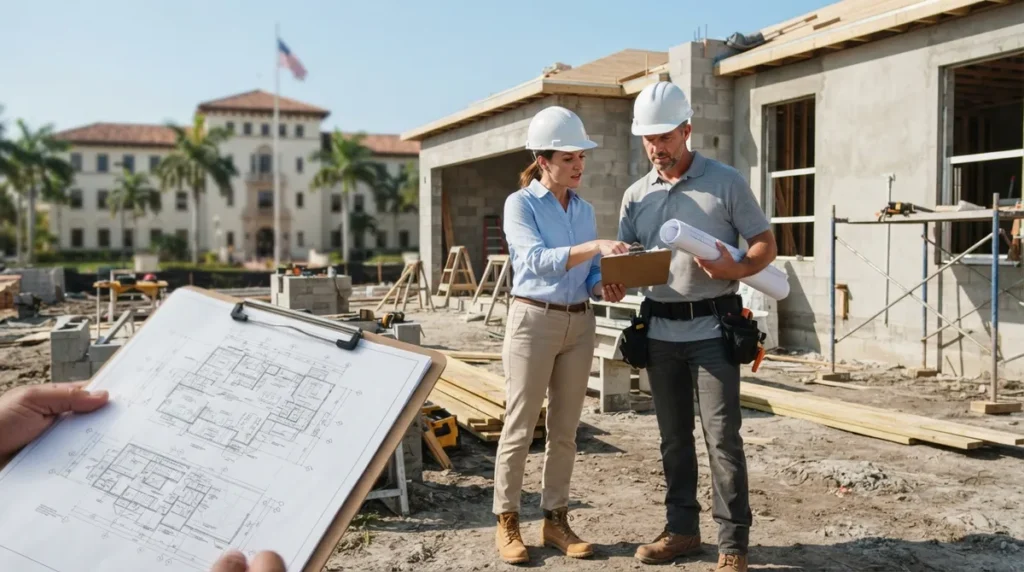
Key Takeaways
-
Always contact your local building department first to confirm requirements before commissioning as-built plans, as Florida has no statewide rule—requirements depend on work type, local codes, and the building official's procedures.
-
Not all as-built plans require a seal; unsealed drawings may be acceptable for minor non-structural work, but structural changes, additions, and legalization certificates almost always need a licensed architect or engineer signature.
-
A full-service permitting firm with in-house drafting and engineering is often the most efficient option because it eliminates delays from handoffs between separate drafters, engineers, and facilitators.
-
Hiring a drafter before confirming jurisdiction requirements wastes money if the city demands an engineer seal; a sealed set is essential for structural work, MEP systems, and most commercial or residential additions.
-
Building departments may require field inspections, concealed element testing, corrective work, or additional design calculations beyond drawings, so budget time and costs for these possible review conditions.
-
For one- and two-family homes, residential plan designers can often prepare drawings under Florida Statutes §481.229, but this architect-licensure exemption does not waive permit requirements, code compliance, or engineering needs.
So you've discovered unpermitted work on your property, and now the building department wants drawings. Take a breath. This is more common in Florida than you might think, and it is very fixable. The first question almost everyone asks is a simple one: who drafts as built plans for after the fact permits in Florida?
The short answer is that it depends on the work. Sometimes a drafter working under a licensed professional handles it. Other times, your jurisdiction will insist on a Florida-licensed architect or professional engineer who inspects the work and seals the drawings. There is no single statewide checklist, so the local building department has the final say.
In this friendly guide, we'll walk through 13 types of pros and roles who can be involved, when each one fits, and how to avoid paying twice for the same drawings. Whether you're a contractor, a realtor, a solar company, or a homeowner, you'll leave knowing exactly who to call first.
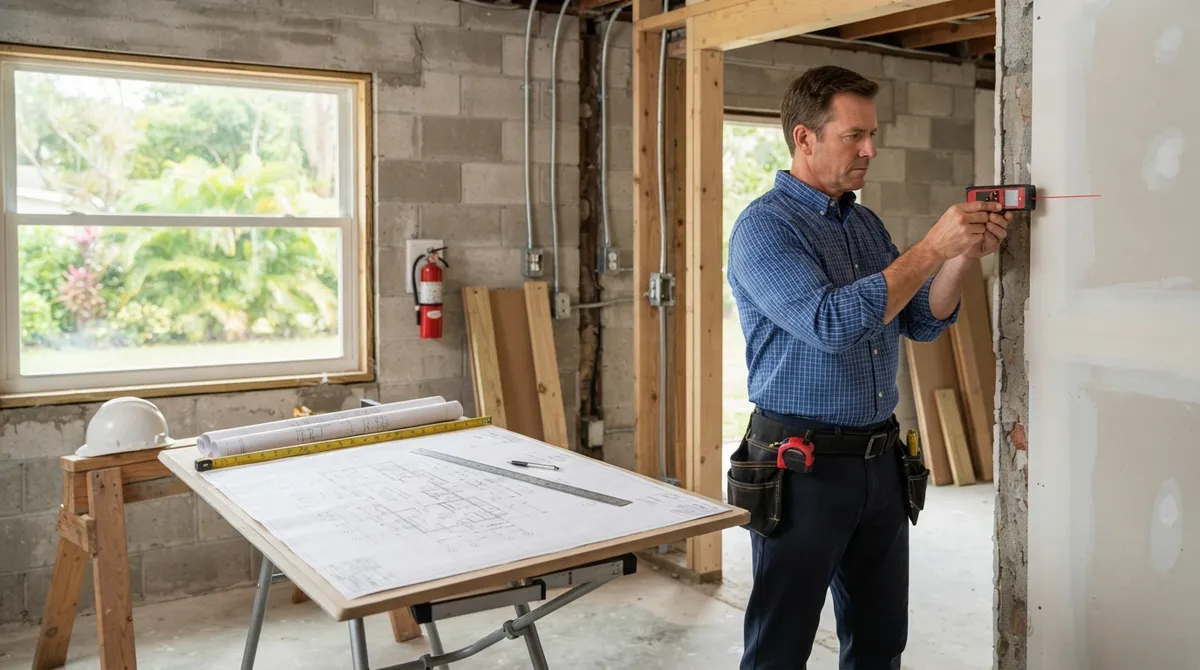
First, What Are As-Built Plans (and Why Do They Matter)?
As-built plans document the work as it actually exists. They are not a copy of the original proposed plans. For an after-the-fact permit, the building department reviews these drawings and may also require inspections, testing, corrections, or extra design information before it approves anything.
If you want a deeper look at the drawings themselves, our as-built drawings service page explains what a complete set typically includes.
Why There Is No One-Size-Fits-All Answer
Florida does not use one statewide rule that dictates the same plan preparer or the same submittal package for every case. Requirements depend on three things:
- The type and scope of the unpermitted work
- The applicable Florida Building Code provisions
- The local building official's procedures
That is why the smartest first move is to ask your jurisdiction what it requires before you commission any drawings. It can save you real money and a lot of frustration.
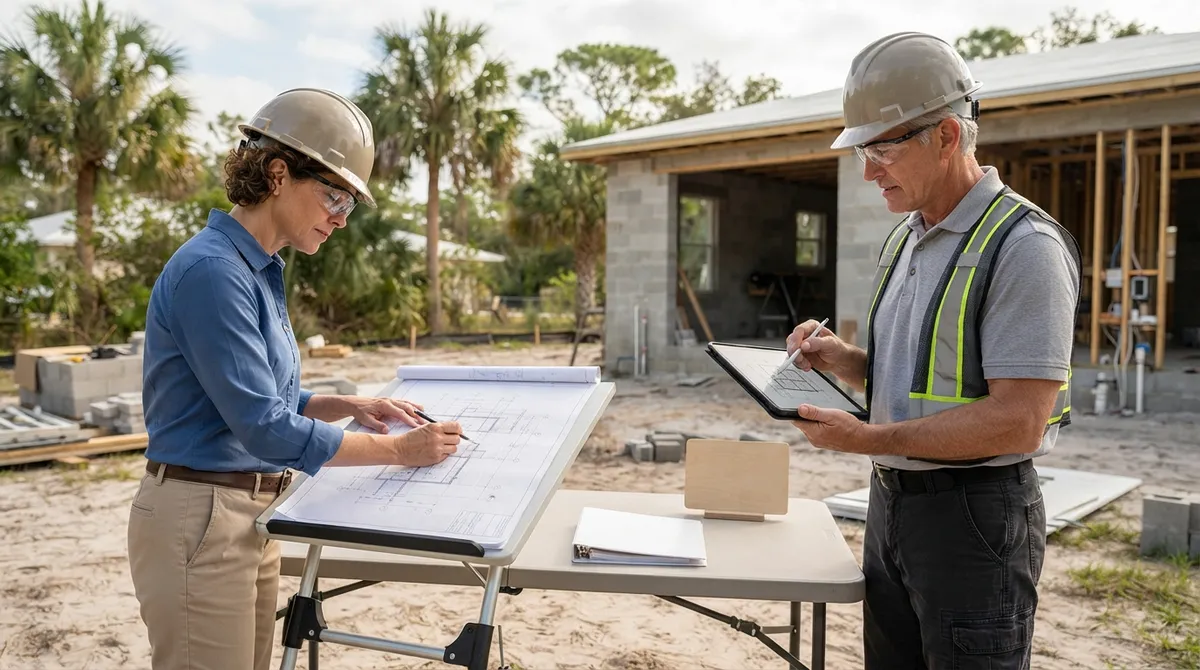
Quick Comparison: Who Can Prepare What?
Here is a simple overview to orient you before we dive into the full list.
| Professional | Can Draw As-Builts? | Can Seal / Certify? | Best For |
|---|---|---|---|
| Drafter / CAD technician | Yes (measure and produce drawings) | No | Unsealed plan sets where the jurisdiction allows it |
| Florida-licensed architect | Yes | Yes (architectural work) | Additions, layout changes, code-use issues |
| Florida-licensed professional engineer | Yes | Yes (engineering work) | Structural, MEP, and legalization certificates |
| Licensed contractor | Limited, per Chapter 489 | No | Certain site-specific plans within statutory limits |
| Permitting firm with in-house drafting and engineering | Yes | Yes, through its engineer | One team handling plans, filing, and comments |
13 Pros Who Draft or Support As-Built Plans in Florida
1. A Drafter Working Under a Licensed Professional
This is the most common starting point. A drafter measures the existing work, documents it in CAD, and produces the drawings. Drawing production on its own, however, does not give anyone authority to certify structural safety. When a seal is required, the drafter's work must be supervised or adopted by a licensed architect or engineer.
2. A Florida-Licensed Architect
Architects can design, document, and seal as-built plans when the project calls for it. They are a strong fit for additions, enclosures, and interior reconfigurations where layout, egress, and use matter. Our architectural drafting team coordinates this kind of work every week.
3. A Florida-Licensed Professional Engineer
Many local departments want an engineer's inspection and a sealed legalization certificate. A PE can verify that what was built is safe and code-compliant, and can specify corrective work when it is not. Learn more about engineering support for permit projects.
4. A Structural Engineer
If the unpermitted work touches framing, foundations, load paths, or trusses, a structural engineer is usually the person who must evaluate it. Their sealed letter or drawings tell the reviewer the structure is adequate. Our structural engineering page explains how that review works.
5. An MEP Engineer
Unpermitted electrical, plumbing, or HVAC work often needs mechanical, electrical, and plumbing documentation. An MEP engineer can produce load calculations, riser diagrams, and panel schedules that match what is actually installed. See our MEP engineering overview for details.
6. A Residential Plan Designer
For one- and two-family homes, a residential designer can often prepare the plan set. Florida Statutes §481.229 exempts certain residential plans from the requirement to use an architect, including one- and two-family residences, townhouses, and appurtenant domestic outbuildings. Keep in mind that this is an architect-licensure exemption, not a waiver of permits, code compliance, engineering requirements, or local submittal rules.
7. A Commercial Plan Professional
Commercial buildouts, restaurants, and tenant spaces usually face stricter review. Expect an architect and engineers to be involved. Our commercial plans service covers these projects.
8. A Licensed Contractor (Within Limits)
Florida Statutes Chapter 489 includes a limited provision that lets specified licensed contractors prepare site-specific plans for certain work. That includes one- and two-family dwellings and structures not exceeding 1,200 square feet or one story. The conditions matter a lot here. This provision does not permit any contractor or drafter to provide every professional design service.
9. A Site Plan Preparer or Surveyor
When the unpermitted work affects setbacks, lot coverage, or drainage, you may need a current site plan or survey showing the structure's actual location. Our site plans page covers what jurisdictions typically expect.
10. A Private Provider
A private provider can perform plan review and inspections in place of the county queue in many situations. They do not draft your plans, but they can speed up approval of the plans someone else prepares. We explain this option on our private provider services page.
11. A Permit Facilitator
A facilitator may not draw anything themselves, but they know which jurisdiction controls your property, what it will ask for, and how to respond to reviewer comments. That knowledge prevents wasted drawings. Read more about permit facilitation and filing.
12. An Engineer Letter Provider
Sometimes the building department does not need a full plan set. A sealed engineer letter can verify existing conditions, such as a roof structure or a retaining wall. Check out our engineer letters service to see when this shortcut applies.
13. A Full-Service Permitting Firm With In-House Drafting and Engineering
This is often the smoothest path. When drafting, engineering, filing, and comment responses live under one roof, nobody has to wait on an outside consultant to call back. At 1 Contractor Solutions, our in-house drafters and our own engineer, who signs and seals the work, handle after-the-fact projects from the first measurement through final approval. You can explore our after-the-fact and expired permits service to see how it works.
Do As-Built Plans Have to Be Signed and Sealed?
Not always, and this is where owners often get confused. Florida Statutes §553.79 generally requires the enforcing agency to review required plans and specifications before it issues a permit. Whether those plans must be sealed depends on the work and the jurisdiction.
A local example shows how demanding this can get. The Town of Palm Beach Gardens publishes guidance calling for an as-built and legalization certificate, plus supporting plans, signed and sealed by a Florida-licensed professional engineer or registered architect based on direct inspection. Those rules are local, so please do not assume they apply statewide.
| Situation | Typical Preparer | Seal Likely Needed? |
|---|---|---|
| Small cosmetic or minor non-structural work | Drafter or designer | Often no, but confirm locally |
| Residential addition or enclosure | Designer plus engineer | Frequently yes |
| Structural changes, roofs, trusses, walls | Structural engineer | Yes |
| Commercial buildout | Architect plus engineers | Yes |
| Local legalization certificate required | Architect or PE | Yes |
How the Process Usually Works: 6 Steps
- Confirm the jurisdiction. City lines can be tricky, so verify which building department actually controls your address. Our building department lookup tool can help.
- Ask what they require. Request the after-the-fact checklist, plus any drawings, inspections, testing, or seals they expect.
- Document existing conditions. A field visit captures measurements, photos, and details of what was built.
- Prepare the as-built set. The drafter and, where needed, the engineer or architect produce the drawings and any certifications.
- File and track the application. Submit the package and watch the review closely.
- Respond to comments and pass inspections. Corrections happen here. When corrective work is required, it gets completed and inspected before closeout.
For a broader walkthrough, see our guide on how to get an after-the-fact permit in Florida.
What to Expect From the Building Department
Reviewers are not just checking your drawings. Depending on the work, they may require:
- Field inspections of completed work
- Testing or exposing concealed elements, such as opening a wall for a framing check
- Corrections to bring work up to current code
- Extra design information or calculations
- Fees, which are often higher for work done without a permit
Being honest about what exists and prepared for a possible correction makes the process far less stressful. If costs are on your mind, our article on after-the-fact permit costs in Florida breaks down the typical line items.
Tips for Each Type of Reader
For General Contractors and Design Trade Pros
If a client's prior contractor skipped permits, you inherit the headache. Outsourcing drafting and engineering lets you keep your crews on schedule. If you already have your own engineer, drafting-only support gives you the permit set while you keep the seal and the client relationship.
For Solar Companies
Rooftop systems installed without a permit can usually be documented with structural and electrical as-builts. Expect the reviewer to ask about roof framing and attachments. Our solar contractor resources cover the typical documentation.
For Realtors and Investors
Unpermitted work discovered mid-deal can stall a closing fast. Starting the as-built process early often keeps the sale alive. Our realtor and closing support is designed for exactly this.
For Homeowners and Residential Property Owners
Skip the guesswork and call your building department first. Then choose a team that can measure, draw, seal when needed, and follow the permit through. Our homeowner page explains how we support owners through the whole journey.
Common Mistakes to Avoid
- Hiring a drafter before calling the jurisdiction. If the city wants an engineer's seal, an unsealed set is wasted money.
- Assuming the original plans will do. As-builts must reflect what is actually there.
- Treating the architect exemption as a permit exemption. They are very different things.
- Waiting until a stop work order lands. Early action usually means smoother outcomes. If you are already in trouble, our urgent permit rescue team is ready to help.
Why Many Florida Owners Choose an In-House Team
The biggest headache in after-the-fact permitting is the handoff. A drafter draws, an engineer inspects, a facilitator files, and each one waits on the other. When everything lives under one roof, a reviewer comment gets fixed quickly instead of bouncing between offices.
1 Contractor Solutions works in all 67 Florida counties and has filed in more than 400 municipalities, so we know which department really controls your address. We respond within 30 minutes day or night, and se habla español. If you'd like to see what our customers say, visit us on Google — 1 Contractor Solutions, or follow us on LinkedIn and follow us on Facebook for Florida permitting updates.
For official statute language, you can also review Florida Statutes §553.79 on the Florida Legislature website.
Conclusion: Start With the Right Question
So, who drafts as-built plans for after-the-fact permits in Florida? A drafter under a licensed professional, an architect, an engineer, or a full-service permitting firm, depending on what your jurisdiction demands. The best first step is simple: find out what your building department requires, then choose the team that can deliver it without delays.
You don't have to figure this out alone. Our friendly team is ready to look at your address, tell you which jurisdiction controls it, and map out the fastest path to approval. When you're ready, get a free quote and let's get your project moving.
FAQs
Who can draw as-built plans for an after-the-fact permit in Florida?
A drafter working under a licensed professional, a Florida-licensed architect, or a professional engineer can prepare them, depending on the project. Your local building department decides whether a seal is required, so it's wise to ask before you commission drawings.
Do Florida as-built plans need to be signed and sealed by an architect or engineer?
Sometimes, yes. Some jurisdictions, like Palm Beach Gardens, require a sealed legalization certificate based on direct inspection, while others may accept unsealed drawings for minor work. Always confirm with your local authority first.
Can a Florida contractor or draftsman prepare plans for an unpermitted addition?
A drafter can measure and produce drawings, but cannot certify structural safety. Chapter 489 lets certain licensed contractors prepare limited site-specific plans, though the conditions are narrow, so it's not a blanket permission.
Are after-the-fact permit requirements the same in every Florida jurisdiction?
Nope, and that's the tricky part. Submittals, inspections, testing, and seal rules vary by county and city, so checking with your specific building department before you start can save you time and money.
Will the building department require testing or corrections before approval?
It might. Reviewers can require inspections, testing of concealed work, corrections, or added design information before approving an after-the-fact permit. Having an in-house drafting and engineering team makes these fixes much easier to handle.
We do this work every day across all 67 Florida counties. Call (866) 314-6931 and we will tell you what your situation actually requires — including when you do not need us.
Related services
Permit Facilitation & Filing
You have a crew scheduled, a client asking for dates, and a permit sitting somewhere in a queue you cannot see. We file it, w…
See the servicePlan Review Coordination
A permit in plan review is not one queue. On a commercial project it can be six queues, each with its own reviewer, its own c…
See the serviceReady to get your permit moving?
One call tells you which jurisdiction controls your project, what it will take, and what it will cost. Most of the time we can scope it on the phone.