
Blog
11 Voluntary After-the-Fact Permit Florida Mistakes
Avoid 11 costly mistakes when applying for a voluntary after-the-fact permit in Florida. Friendly, practical 2026 guidance for owners and pros.
Key Takeaways
-
Coming forward before a complaint or enforcement action gives you more control, but a voluntary after-the-fact permit does not guarantee a penalty waiver or stop enforcement.
-
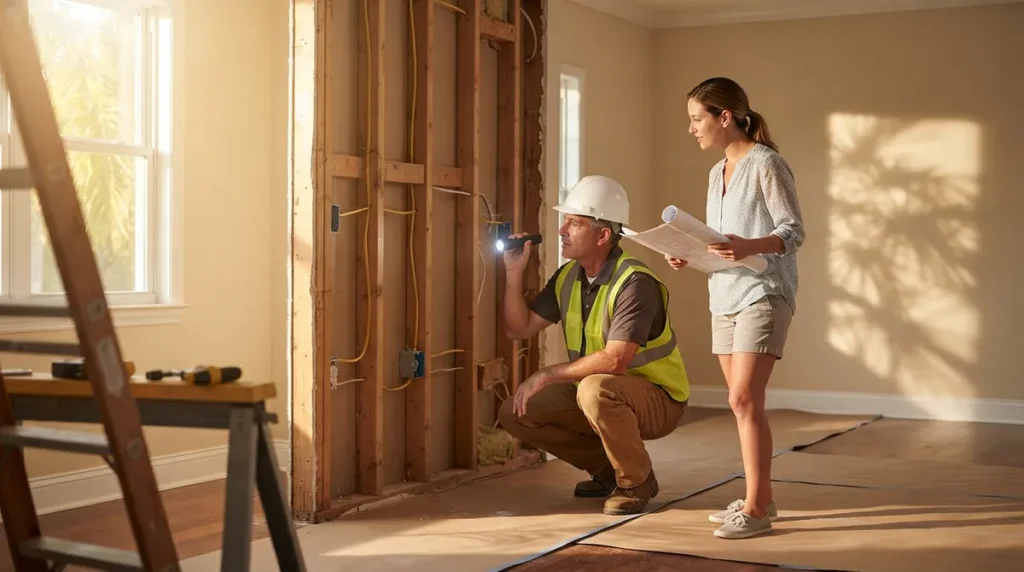
An after-the-fact permit is not a rubber stamp: expect plan review, engineering where required, corrections, and inspections to prove the work meets the Florida Building Code.
-
Fees and penalties are set by each local jurisdiction, not statewide; some, like St. Lucie County, charge double, so confirm current costs with your building department.
-
Temporary penalty waivers expire; Pinellas County's storm-recovery waiver ended Dec. 31, 2025, so verify any waiver is still active before relying on it.
-
Concealed work behind drywall or finishes may require exposure for inspection or a third-party engineering evaluation, so disclose it upfront to avoid delays.
-
Incomplete packages stall files: include a completed application, as-built drawings or site plan, engineering where needed, product approvals, and photos of the completed work.
Let's be honest: finding out that work on your property was done without a permit feels awful. Maybe a prior owner skipped the paperwork. Maybe a handyman said, "Don't worry, nobody checks." Maybe a closing is suddenly stuck. Whatever brought you here, take a breath. You have options, and choosing to come forward on your own is often the smartest first move.
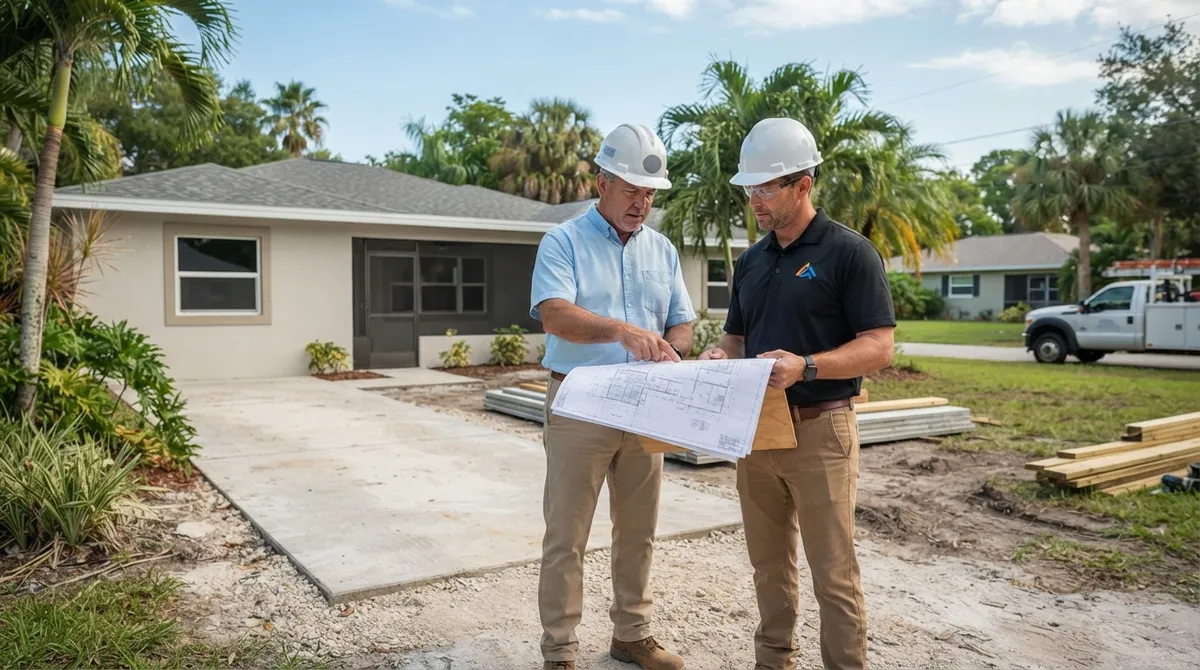
A voluntary after-the-fact permit in Florida is a local building permit application you submit after work requiring a permit has already started or been completed. You are asking the building department to review the work, inspect it, and bring it into code compliance before anyone issues a complaint.
Here's the catch: coming forward is smart, but how you do it matters. Plenty of well-meaning owners, contractors, and agents make avoidable missteps that cost extra time and money. In 2026, with lenders, insurers, and buyers asking sharper questions, those missteps hurt more than ever. Below are 11 common mistakes and how to sidestep each one. You've got this.
What Is a Voluntary After-the-Fact Permit in Florida?
Florida Statutes §553.79 generally requires a permit before covered construction, alteration, repair, or demolition begins. When that step gets skipped, the owner can apply for an after-the-fact permit to document and legalize the work.
The word "voluntary" simply means you apply on your own initiative, rather than waiting for code enforcement, a neighbor complaint, or a home inspector to flag the issue. There is no single statewide office for this. Your city or county building department, the authority having jurisdiction, sets the process, documents, inspections, and fees.
If you want the full overview, our guide on how to get an after-the-fact permit in Florida walks through the basics, and our after-the-fact and expired permits service page shows how we handle these files every day.
Why Coming Forward Voluntarily Can Help
Applying before a complaint or enforcement action can help you address the problem on your own terms. It may also support a smoother conversation with the building department. That said, it does not guarantee a penalty waiver, and it does not prevent enforcement.
Unpermitted work can lead to notices of violation, required corrective work, fines, or even a property lien if it goes unresolved. It can also surface during appraisals, insurance claims, and closings. Acting early gives you more control.
The 11 Mistakes to Avoid
1. Assuming the Work Was Exempt Without Checking
Some small projects are exempt from permitting under the Florida Building Code and local rules. But many owners assume exemption because "it was just a small job." Whether your project is exempt depends on the code and your local jurisdiction.
Call the building department or ask a permitting professional before deciding. A quick confirmation can save you from a much bigger problem later.
2. Assuming an After-the-Fact Permit Automatically Legalizes the Work
This one surprises people. An after-the-fact permit is not a rubber stamp. The building department may require plans, engineering, product approvals, corrections, and inspections to prove the work meets the Florida Building Code.
If the work doesn't meet code, you may need to fix or redo parts of it. Go in expecting a real review, not a formality.
3. Applying With the Wrong Jurisdiction
Florida has 67 counties and hundreds of municipalities, and property lines near city borders can be confusing. Filing with the wrong office wastes weeks.
Not sure who controls your address? Try our building department lookup tool, or read which Florida jurisdiction reviews my project before you submit anything.
4. Ignoring Local Fee Rules
Fees and penalties are local, not uniform statewide. Some jurisdictions charge an increased or doubled permit fee for work started without a permit. St. Lucie County's published FAQ, for example, says its after-the-fact fee is double. That's one county's policy, not a statewide rule.
Here's a quick look at how the fee picture varies:
| Fee Factor | What to Know |
|---|---|
| Statewide fee schedule | None identified; fees are set locally |
| Doubled permit fees | Some jurisdictions, such as St. Lucie County, charge double |
| Penalty waivers | Occasional and temporary; Pinellas County's storm-recovery waiver ended Dec. 31, 2025 |
| Added costs | Plans, engineering, corrections, and re-inspections |
Always confirm current numbers with your building department. For budgeting ideas, see our post on after-the-fact permit costs in Florida.
5. Relying on an Old Penalty Waiver
Temporary amnesty programs come and go. Pinellas County announced a waiver of after-the-fact penalty fees for qualifying storm-recovery work in unincorporated areas, but that window ended Dec. 31, 2025.
If you read about a waiver online, double-check that it's still active in 2026. Don't count on savings that may no longer exist.
6. Waiting for a Complaint Before Acting
It's tempting to hope nobody notices. But waiting can turn a manageable cleanup into a stressful enforcement case. Many owners wish they had acted sooner.
Ask your local building department about its voluntary-compliance policy and any deadlines. Even if it doesn't guarantee leniency, you're showing good faith.
7. Hiding or Downplaying Concealed Work
Is the work already behind drywall, under flooring, or beneath finishes? That complicates approval. A jurisdiction may require portions to be exposed for inspection, or request documentation or an engineering evaluation. St. Lucie County, for instance, notes that concealed work may require a third-party engineering analysis.
Be upfront about what's covered. Trying to hide it only creates delays and distrust. Our engineer letters can help document conditions when walls can't be opened.
8. Submitting an Incomplete Application Package
Missing documents are one of the top reasons after-the-fact files stall. Depending on the project, reviewers may want:
- A completed permit application and owner or contractor information
- As-built drawings or a site plan showing what exists
- Structural or MEP engineering where required
- Product approvals for items like windows, doors, or roofing
- Photos and descriptions of the completed work
- Contractor license details, where a contractor performed the work
Building these correctly up front prevents rejection cycles. Learn more about as-built drawings and why reviewers rely on them.
9. Skipping Sealed Plans or Engineering When Needed
Some after-the-fact projects, like additions, structural changes, pool cages, and roof work, need drawings sealed by a Florida-licensed design professional. Submitting a hand sketch and hoping for the best usually leads to correction notices.
Our in-house team provides structural engineering and sealed drawings, so reviewer comments get answered quickly instead of waiting on outside consultants.
10. Not Coordinating Inspections and Corrections
After approval, the real work often begins. Inspectors may require corrections, re-inspections, or added testing. Missing an inspection appointment, or failing to close out the permit, can leave you right back where you started with an expired or open permit.
Here is how a typical voluntary after-the-fact process unfolds:
- Confirm the jurisdiction and ask about its after-the-fact process.
- Document what exists with photos, measurements, and as-built drawings.
- Prepare the package, including engineering if required.
- Submit the application and pay applicable fees.
- Answer review comments and revise plans as needed.
- Complete inspections and correct any deficiencies.
- Close the permit and keep the final records for future sales or insurance.
Our inspections and revisions and resubmittals services exist for exactly this stage.
11. Going It Alone Without a Qualified Professional
You can absolutely try the process yourself. But after-the-fact files are rarely simple. Jurisdiction rules differ, plan reviewers have specific expectations, and one wrong move can add weeks.
A Florida permitting professional can identify the right jurisdiction, assemble the application and plans, coordinate licensed contractors or design professionals, and respond to plan-review comments. Just make sure anyone you hire is properly qualified and authorized for the work. If you're an owner-builder, our owner-builder permits page explains your options.
Who Benefits Most From a Voluntary Approach?
Different readers face different pressures. Here's how the situation tends to look:
| Who You Are | Common Situation | Why Voluntary Helps |
|---|---|---|
| Homeowner | Prior owner or handyman skipped permits | Resolves risk before selling, refinancing, or insurance claims |
| Real estate professional | Open or missing permits found during a deal | Clears obstacles before closing stalls |
| General contractor | Crew started work before approval | Protects your license and client relationship |
| Solar company | Installation completed before final permit | Keeps interconnection and customer trust on track |
| Design trade professional | Project needs documentation after completion | Gets drafting and engineering handled efficiently |
If you're on the real estate side, see realtor and closing support. Contractors can explore our resources for general contractors and solar contractors, and homeowners can start with our homeowner page.
What About Storm Repairs?
After a hurricane, many owners rush repairs, and sometimes permits get skipped in the chaos. Pinellas County has noted that permitting storm repairs can support compliance with floodplain rules and National Flood Insurance Program requirements.
If repairs were made without a permit, a voluntary application can help document the work properly. Confirm current local policy first, since storm-related relief programs are temporary.
How Long Does It Take and What Does It Cost?
Honest answer: it depends. Timelines vary with the jurisdiction, the complexity of the work, whether anything is concealed, and how quickly corrections are made. Costs also vary because no statewide after-the-fact fee schedule exists.
Budget for the permit fee (possibly doubled), plans or as-builts, engineering if required, and any corrective work. Reviewing how long a building permit takes in Florida can help set realistic expectations.
Local Knowledge Matters
Every county handles these files a little differently. A process that works in one place may not fly in another. We file across all 67 Florida counties, including Hillsborough County, Pinellas County, and Miami-Dade County, so we know the local quirks. You can also stay in touch with us and follow us on LinkedIn for permitting updates, or follow us on Facebook for tips and news.
For official statutory language, you can read Florida Statutes §553.79 directly on the Florida Senate website.
Final Thoughts: Come Forward With Confidence
Unpermitted work is more common than most people realize, and it's fixable. The most important step is deciding to deal with it. When you avoid these 11 mistakes, a voluntary after-the-fact permit becomes a clear path instead of a scary unknown.
At 1 Contractor Solutions, we're Florida's outsourced permitting department. Our drafting and engineering are in house, our engineer signs and seals the work, and we respond within 30 minutes, day or night. Curious what other clients think? Visit us on Google — 1 Contractor Solutions and read their experiences.
Ready to turn a worrying problem into a closed permit? Get a free quote and let's get your project back on solid ground.
FAQs
How do I get an after-the-fact building permit in Florida?
Start by contacting the city or county building department that controls your property and asking about its after-the-fact process. You'll typically submit an application with as-built drawings, any required engineering, and fees, then complete inspections and corrections until the permit is closed. A permitting professional can handle the paperwork and reviewer comments for you.
Are after-the-fact permit fees doubled in every Florida county?
No. Fees and penalties are set locally, not statewide. Some jurisdictions, like St. Lucie County, charge double, while others use different policies, so always confirm current fees with your local building department.
What happens if unpermitted work is already covered by drywall or finishes?
Concealed work can complicate approval. The jurisdiction may ask you to expose portions for inspection or provide documentation or an engineering evaluation, and requirements vary by project and local authority.
Can I apply for an after-the-fact permit before code enforcement contacts me?
Yes, and many owners do. Applying voluntarily may help you address the issue proactively, but it doesn't guarantee a penalty waiver or prevent enforcement, so ask your building department about its voluntary-compliance policy.
Do I need an after-the-fact permit for storm repairs in Florida?
If the repairs involved work that normally requires a permit, then yes, a permit is generally needed. Permitting storm repairs can also support floodplain compliance and National Flood Insurance Program requirements, so check current local rules before you proceed.
We do this work every day across all 67 Florida counties. Call (866) 314-6931 and we will tell you what your situation actually requires — including when you do not need us.
Related services
Permit Facilitation & Filing
You have a crew scheduled, a client asking for dates, and a permit sitting somewhere in a queue you cannot see. We file it, w…
See the servicePlan Review Coordination
A permit in plan review is not one queue. On a commercial project it can be six queues, each with its own reviewer, its own c…
See the serviceReady to get your permit moving?
One call tells you which jurisdiction controls your project, what it will take, and what it will cost. Most of the time we can scope it on the phone.