
Blog
10 Steps to Get a Florida Compliance Letter (2026)
Learn exactly how to legalize unpermitted work in Florida with this step-by-step guide to after-the-fact permits and compliance letters.
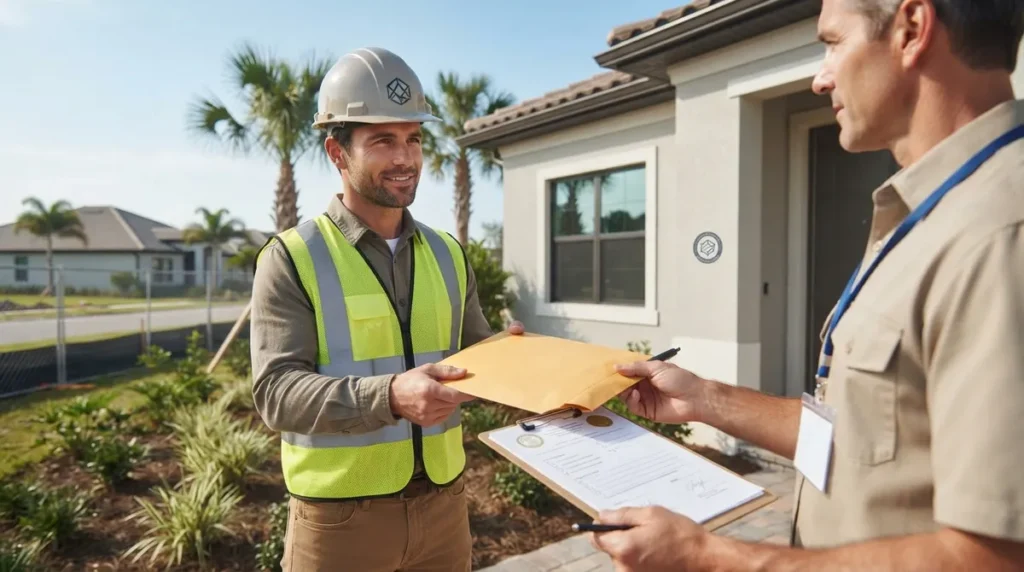
If you're staring at an old addition, an enclosed lanai, or a garage conversion wondering whether it was ever permitted, you're definitely not alone. Every week, homeowners, real estate agents, and even general contractors reach out asking the same thing: how do I get a letter of compliance for unpermitted work in Florida? The good news is that it's absolutely fixable, and once you understand the process, it stops feeling like a mystery and starts feeling like a checklist you can actually complete.
Here's the honest truth up front: Florida doesn't have one magic document called a "letter of compliance" that every county hands out the same way. Instead, what you're really chasing is a finaled after-the-fact permit, a closed code-enforcement case, or a written confirmation from your local building department that everything is now square with the Florida Building Code. Under Florida Statutes section 553.79, a permit is required before most construction, alteration, or repair work begins, so skipping that step is what creates the compliance headache in the first place. Let's walk through exactly how to fix it, step by step, in a way that actually works.
Understanding What a Letter of Compliance Really Means in Florida
Before you pick up the phone or start Googling forms, it helps to know what you're actually asking for. Depending on your county or city, the document you need might be called:
- A finaled after-the-fact (retroactive) permit
- A closed permit record showing all inspections passed
- A code-enforcement case-closure letter
- A violation-clearance letter
- A certificate confirming the work now complies with code
None of these are interchangeable statewide forms — each jurisdiction issues its own version, so the very first move is figuring out which one your city or county actually uses. Our building department lookup tool is a great starting point if you're not sure which office has jurisdiction over your address.
10 Steps to Get Your Florida Compliance Letter
1. Confirm the Property's Permit History First
Before anything else, pull the permit history for the property. Many counties now have online open permit search portals where you can check for existing, expired, or missing permits tied to the address. This step alone often reveals surprises, like a previous owner who started a permit but never finaled it.
2. Identify Exactly What Work Was Done Without a Permit
Walk the property and make a clear list. Was it a roof replacement? An enclosed patio? A converted garage? Electrical or plumbing changes? Structural changes almost always need more scrutiny than cosmetic ones, so be honest and thorough here — it saves time later.
3. Determine the Correct Jurisdiction
This sounds simple, but it trips up more people than you'd expect, especially near city and county lines. The Florida Department of Business and Professional Regulation is not who handles this — it's your local city or county building department. If you're unsure, our team can help you figure out which Florida jurisdiction reviews your project before you waste time at the wrong counter.
4. Gather As-Built Plans and Documentation
Local officials will typically want as-built plans, site or floor plans, photographs, product approvals, and contractor information. If structural elements are involved, you may need signed and sealed drawings from a licensed engineer. This is where as-built drawing services come in handy, since drafting these accurately from scratch is not a weekend DIY project.
5. Apply for the After-the-Fact or Retroactive Permit
Once your documentation is ready, you'll submit an application to legalize the existing work. This is essentially the same permit process as new construction, except the work is already built. Our after-the-fact and expired permits service exists specifically because this process trips people up constantly — reviewers want specific formats, and missing one document can bounce your application back weeks later.
6. Prepare for Possible Demolition or Exposure of Concealed Work
Because the work was never inspected during construction, Florida Building Code section 110.1 generally requires that permitted work stay accessible for inspection until approved. That means inspectors may ask you to open drywall, expose framing, or uncover wiring so they can verify what's behind the walls. It's not fun, but it's often the only way to confirm the work is safe.
7. Get a Licensed Professional Evaluation When Required
For structural changes, additions, or anything touching load-bearing elements, a Florida-licensed architect or engineer may need to inspect and provide sealed calculations or drawings. This is one of the biggest reasons people hire outside help — in-house sealed drawings from a firm like 1 Contractor Solutions can move this step along dramatically faster than searching for an independent engineer from scratch.
8. Correct Any Code Deficiencies
If the existing work doesn't meet current Florida Building Code, zoning, floodplain, or stormwater requirements, you'll need to make corrections. This could mean minor fixes or, in tougher cases, partial removal and reconstruction. Nobody loves hearing this, but addressing it now protects your investment long-term.
9. Pay Required Fees and Penalties
Florida Building Code section 109.4 allows local enforcing agencies to charge additional fees when work is done without a permit. Some jurisdictions double the standard permit fee as a penalty; others use different formulas entirely. Always confirm the exact number with your local building department before budgeting.
10. Request Written Confirmation of Compliance
Once inspections pass and the permit is finaled, ask your building department for written confirmation, especially if a lender, buyer, title company, or insurer specifically requires proof. This document — whatever your jurisdiction calls it — is your actual "letter of compliance."
Typical After-the-Fact Permit Fee Structures by Situation
| Scenario | Typical Fee Approach | Additional Considerations |
|---|---|---|
| Minor unpermitted work (small electrical, plumbing fixture swap) | Standard permit fee plus a modest penalty surcharge | May still require inspection of concealed components |
| Room addition or enclosure | Standard fee often doubled as an after-the-fact penalty | As-built plans and possibly engineering review required |
| Structural modification (load-bearing wall, roof truss change) | Higher fee tier plus mandatory engineering evaluation | Sealed drawings and possible exposure of framing needed |
| Full unpermitted structure (shed, garage conversion, pool) | Highest fee tier, may include code-enforcement case fees | Zoning, setback, and floodplain review likely required |
Common Documents You'll Likely Need to Submit
- Completed after-the-fact permit application
- As-built plans showing current conditions
- Site plan or survey, if structural or zoning changes are involved
- Photographs of the existing work
- Product approvals for windows, doors, or roofing materials
- Signed and sealed engineering documents, when applicable
- Contractor license information, if a licensed contractor performed the work
Real estate professionals dealing with an open permit found at closing know how quickly this list can multiply, especially when a seller genuinely didn't realize prior work lacked permits. If you're navigating this as part of a sale, our realtor closing support service is built specifically to keep deals from falling apart over permit issues.
Who Actually Needs This Letter, and Why
You might be wondering whether this is really worth the hassle. Here's who typically needs compliance documentation the most:
- Homeowners selling or refinancing, since lenders and title companies routinely flag unpermitted work
- Real estate investors evaluating a property before purchase, especially fixer-uppers with a long ownership history
- General contractors who inherit a project where a previous contractor skipped permits
- Solar companies needing to confirm existing roof or electrical work is compliant before installing new systems
- Insurance policyholders whose claims get denied or delayed because of undocumented modifications
Unpermitted work can absolutely prevent you from selling, refinancing, or insuring your property, so tackling it proactively is almost always cheaper and less stressful than waiting for it to surface during a transaction.
When to Bring in Professional Help
Some homeowners handle simple after-the-fact permits on their own, and that's great. But once structural elements, zoning questions, or multiple missing permits are involved, the process gets complicated fast. A permitting service can research permit records, determine the correct jurisdiction, coordinate with licensed engineers, prepare your application package, respond to plan-review comments, schedule inspections, and pursue final closeout documentation on your behalf.
This is exactly the kind of work we do every day at 1 Contractor Solutions. Whether you're a homeowner in St. Petersburg, a general contractor working across Hillsborough County, or a realtor closing a deal in Manatee County, we help translate confusing local requirements into a clear, manageable action plan. Our in-house drafting and engineering team means sealed drawings don't require an outside consultant callback — we simply fix the issue and keep moving.
Curious what past clients have experienced? Feel free to visit us on Google — 1 Contractor Solutions to see reviews from homeowners and contractors who've gone through this exact process. You can also follow us on LinkedIn or follow us on Facebook for regular updates on Florida permitting rules, since code requirements and local fee schedules do shift from year to year.
A Quick Comparison: DIY vs. Professional Assistance
| Factor | Handling It Yourself | Working With a Permitting Service |
|---|---|---|
| Time investment | High — research, forms, and follow-up calls fall on you | Lower — a team tracks deadlines and reviewer comments |
| Engineering needs | Must find and hire an independent engineer separately | In-house sealed drawings handled directly |
| Jurisdiction research | Trial and error, especially near county lines | Immediate identification of the correct authority |
| Revision handling | You resubmit and wait again for each correction | Corrections addressed quickly by the same team |
Final Thoughts on Getting Your Compliance Letter
Legalizing unpermitted work in Florida might feel intimidating at first glance, but it's a well-worn path that thousands of property owners walk every year. With the right documentation, a little patience, and possibly some professional support, you can move from "unpermitted mystery" to "fully compliant and confirmed" without losing your mind in the process. And once that final approval comes through, you'll have real peace of mind — plus paperwork to prove it — the next time a buyer, lender, or insurer asks questions.
If you'd rather not navigate county building departments alone, our team is ready to help you sort out permit history, prepare accurate as-built plans, coordinate engineering, and push your after-the-fact permit through to closure. Reach out today to get a free quote and let's get your property fully compliant, together.
FAQs
Is there a single statewide Florida letter of compliance for unpermitted work?
Nope, there isn't one universal form used across every Florida county. Instead, you're typically working toward a finaled after-the-fact permit, a closed code-enforcement case, or a written compliance confirmation from your specific local building department, and each jurisdiction handles it a little differently.
What exactly is an after-the-fact permit in Florida?
It's the retroactive permit you apply for when work was completed without the required permit beforehand. You'll submit as-built plans and documentation describing the existing work, and the local building department reviews it just like a regular permit, just after the fact instead of before construction started.
Will I really have to open up walls for inspection?
It's definitely possible, especially for structural, electrical, or plumbing work that was never inspected during construction. Since Florida Building Code generally requires work to stay accessible for inspection, officials may ask you to expose framing or wiring so they can confirm everything is safe and up to code.
How much does an after-the-fact permit typically cost in Florida?
It varies quite a bit by jurisdiction, but many local governments charge the standard permit fee plus a penalty surcharge, and some double the normal fee altogether. The best move is always to confirm the exact fee schedule directly with your city or county building department before you budget.
Can unpermitted work really stop me from selling or refinancing my home?
Unfortunately, yes, it happens more often than people expect. Lenders, title companies, and insurers frequently flag unpermitted modifications during due diligence, which is exactly why getting ahead of it with a proper after-the-fact permit can save your closing timeline a lot of stress.
We do this work every day across all 67 Florida counties. Call (866) 314-6931 and we will tell you what your situation actually requires — including when you do not need us.
Related services
Permit Facilitation & Filing
You have a crew scheduled, a client asking for dates, and a permit sitting somewhere in a queue you cannot see. We file it, w…
See the servicePlan Review Coordination
A permit in plan review is not one queue. On a commercial project it can be six queues, each with its own reviewer, its own c…
See the serviceReady to get your permit moving?
One call tells you which jurisdiction controls your project, what it will take, and what it will cost. Most of the time we can scope it on the phone.