
Blog
10 Reroof Permit Requirements in Cape Coral (2026 Guide)
Planning a reroof in Cape Coral? Here are 10 permit requirements, from the Roof Data Sheet to inspections, explained in plain English.
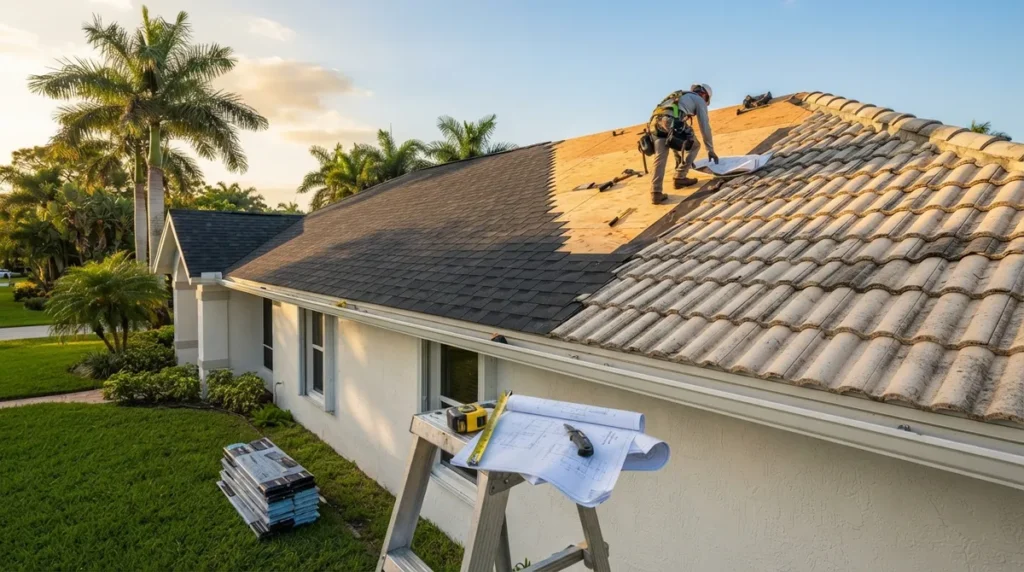
Key Takeaways
-
Cape Coral requires a building permit for residential reroofing, filed through the city's CSS online portal; the exact permit type depends on your roof material and scope.
-
Shingle or metal to shingle or metal, and tile to tile, full reroofs typically use the push-button pathway, while shingle or metal to tile conversions require plan review and an engineer's evaluation of existing trusses.
-
The Roof Data Sheet is central to the application; avoid rounding roof area, mismatched material listings, omitted skylights or penetrations, and unsigned or undated forms.
-
A Notice of Commencement is required at a project valuation of $2,500 or greater, and its verification can be the first inspection, so record it correctly early.
-
A sheathing inspection or contractor sheathing affidavit may be required if the original permit predates March 1, 2002, or no full reroof has been done since March 1, 2007; owner-builders typically schedule an inspection before underlayment.
-
Permits expire after six months and the listed fee is $75 for roofing miscellaneous, but both can change, so verify current numbers with the city before filing and before budgeting.
Replacing a roof in Cape Coral is one of the biggest projects a Florida homeowner will ever tackle, and it's one of the few that almost always needs a permit. If you've started asking around, you've probably heard conflicting advice: "the roofer handles it," "it's just a quick form," or "nobody checks." Here's the friendly truth. The paperwork is very doable, but the details matter, and a missed document can park your crew in the driveway for days.
This guide walks through the reroof permit requirements in Cape Coral in plain English, so you know exactly what to expect before the first shingle comes off. We'll cover who can apply, which documents the city wants, how inspections work, and the code rules that sometimes surprise people. Whether you're a general contractor lining up crews, a realtor helping a client before closing, or a homeowner doing your homework, these ten requirements will help you plan with confidence.
One quick note: the City of Cape Coral updates its guidelines from time to time, so treat this article as a roadmap and confirm current fees and forms with the city before you file. Ready? Let's dig in.
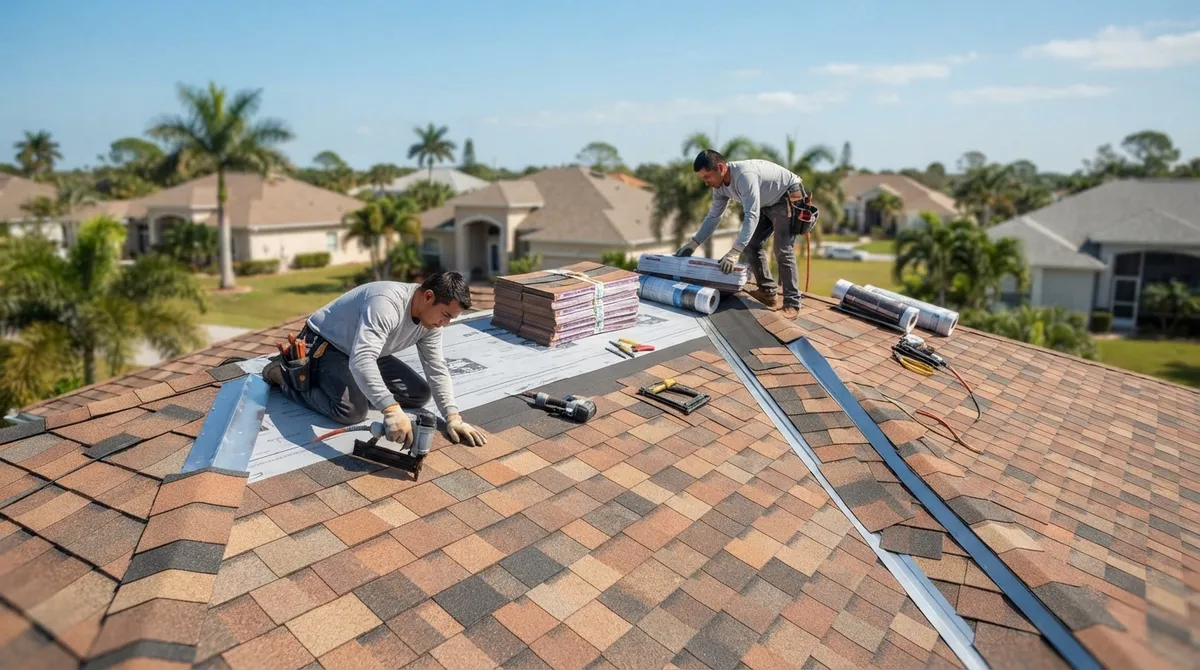
The Quick Answer: Do You Need a Permit?
Yes. Cape Coral requires a building permit for residential reroofing. The city's residential reroof guideline points applicants to the appropriate roofing permit in its CSS online portal, and the exact permit type depends on your scope and materials. The city also offers a separate "Roofing Various" pathway for flat roofs, roof-overs, repairs, and certain material changes.
Here's a snapshot of the main pathways:
| Project Type | Typical Pathway | Key Consideration |
|---|---|---|
| Shingle or metal to shingle or metal (full reroof) | Push-button residential reroof | Roof Data Sheet required |
| Tile to tile (full reroof) | Push-button residential reroof | Product approvals available at inspection |
| Shingle or metal to tile | Plan review pathway | Engineer's evaluation of existing trusses |
| Flat roofs, roof-overs, repairs | Roofing Various | Scope limits may apply |
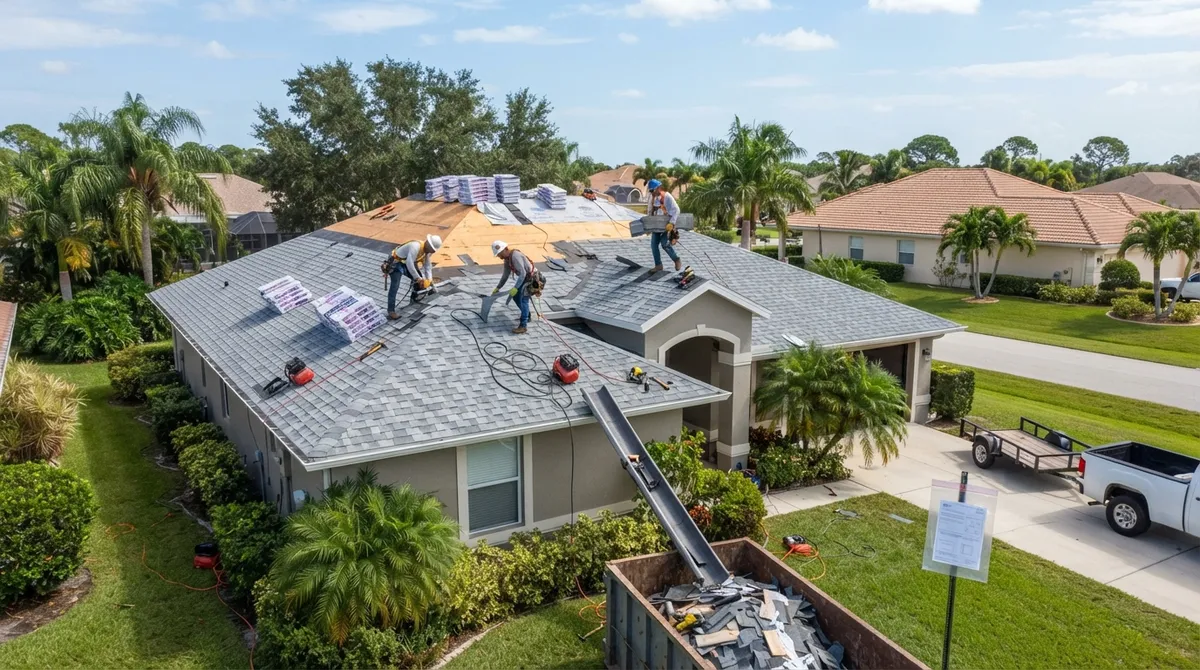
10 Reroof Permit Requirements in Cape Coral
1. A Permit Filed Through the City's CSS Portal
Cape Coral handles roofing permits through its CSS online portal. You choose the permit type that matches your work, upload your documents, and pay the fee. For a typical complete reroof on a one- or two-family home, the city's push-button pathway covers shingle/metal-to-shingle/metal and tile-to-tile jobs, which keeps things moving faster than a full plan review.
If you'd rather not wrestle with portal menus, that's a perfectly normal reason to bring in help. Our team at 1 Contractor Solutions handles roof permits every day, and we can file, track, and follow through for you.
2. The Right Applicant: Licensed Contractor or Eligible Owner-Builder
The city identifies two types of applicants for residential reroof pathways: a Florida Certified Roofing Contractor (CCC) or an eligible owner-builder. Owner-builders must provide the applicable Owner/Builder Affidavit, and there may be additional eligibility requirements, so confirm with the city before applying.
Thinking about doing it yourself? Read our breakdown of owner-builder permits first. Owner-builder status comes with real responsibilities, and it affects which inspections you schedule.
3. A Completed Roof Data Sheet
The Roof Data Sheet is the heart of a Cape Coral reroof application. It identifies your roof area, roofing material, and relevant roof features. Think of it as the roof's résumé. Reviewers use it to confirm that what you plan to install matches the code requirements for your home.
Common mistakes on the data sheet include:
- Rounding the roof area instead of calculating it carefully
- Listing a material that doesn't match the product approval
- Leaving out roof features such as skylights or penetrations
- Forgetting to sign or date the form
4. Product Approvals and Installation Instructions On Site
City guidance calls for applicable product approvals and manufacturer installation instructions to be available at inspection. That includes the dry-in membrane, the 90-pound membrane when it's used, and the finished roof covering. Inspectors want to see that your materials are approved for Florida use and that your crew is following the manufacturer's directions.
Not sure how to read those approval numbers? Our guide on how to read a Florida product approval number for roofing makes it simple.
5. A Notice of Commencement (When Applicable)
Cape Coral's published push-button guidance identifies a Notice of Commencement (NOC) requirement at a project valuation of $2,500 or greater, with submission timing and recording requirements described in the guideline. Since an NOC verification can be the first inspection on the list, getting it recorded correctly saves you a headache later. Confirm current applicability and procedure with the city.
6. Additional Documents Based on Your Parcel and Scope
Depending on your property, the city may also ask for:
- FEMA documents or an elevation certificate
- An Eagle Management Affidavit
- Owner/Builder Affidavit (for owner-builder applicants)
These are parcel- and scope-dependent, which is why two neighbors can have slightly different checklists. If your home sits in a flood zone or near a protected habitat area, expect a little extra paperwork.
7. Sheathing Inspection or Contractor Sheathing Affidavit
This one trips people up. Cape Coral's guidance says a sheathing inspection or affidavit is required in specified cases, including when the home's original construction permit predates March 1, 2002, or a full reroof has not been completed after March 1, 2007. Owner-builders generally schedule a city inspection before underlayment goes down, while qualifying contractors may submit a sheathing affidavit instead.
Here's a quick reference:
| Trigger | What It Means |
|---|---|
| Original home permit before March 1, 2002 | Sheathing inspection or affidavit may be required |
| No full reroof since March 1, 2007 | Sheathing inspection or affidavit may be required |
| Owner-builder applicant | Generally schedule a city inspection before underlayment |
| Qualifying contractor | May submit a sheathing affidavit |
8. The Required Inspection Sequence
Your permit isn't done when the shingles are on. Cape Coral's listed inspection sequence can include:
- Notice of Commencement verification
- Roof sheathing inspection or contractor sheathing affidavit
- Roof dry-in inspection
- 90-pound membrane inspection, when applicable
- Roof final inspection
The exact inspections depend on your permit type and whether the applicant is a contractor or an owner-builder. Keep your approved documents on the roof or at the property so the inspector can verify them on the spot.
9. Extra Engineering for Shingle or Metal to Tile Conversions
Switching from shingle or metal to tile is a different animal. Tile is heavy, so Cape Coral requires an engineer's evaluation of the existing truss design conditions along with plan review. This is where sealed drawings come in. Our in-house engineering team prepares structural engineering and engineer letters that reviewers expect, and curious about the process? Our article who seals structural drawings for Florida permits explains who can legally sign off.
10. Awareness of the 25% Rule and Roof-Over Limits
Florida Building Code provisions govern reroof materials and installation. The 2023 Florida Existing Building Code and Florida Residential Code generally limit repair, replacement, or recovery to 25% of a roof area or roof section in a 12-month period unless the entire roof system or section is brought into code compliance, subject to exceptions. Those exceptions can apply to qualifying roofs built, repaired, or replaced under the 2007 or later Florida Building Code.
Roof-over work (installing new material over the old) is also limited under the city guideline, and repairs that go below the roof surface may require inspections similar to a complete reroof. Confirm the code edition and current city requirements when you apply.
Fees, Timing, and Expiration
Cape Coral's push-button residential reroof guideline lists a $75 roofing-miscellaneous fee and a six-month permit expiration. Fees and permit conditions can change, so verify current numbers with the city before you budget. For a broader look at pricing, see how to figure out your roof permit cost in Cape Coral.
Six months sounds like plenty, but supply delays, weather, and crew scheduling can eat that window faster than you'd think. If a permit lapses, you're looking at extra steps to revive it. We cover that in what reopens an expired Florida permit fastest.
What Different Readers Should Know
- General contractors and roofers: Build the permit into your schedule. The sheathing question and NOC timing are the most common sources of delay.
- Solar companies: A reroof before a solar install is smart. A closed roof permit makes your own solar permitting smoother.
- Realtors and investors: An open or expired roof permit can hold up a closing. Check the permit history early.
- Homeowners: Ask your roofer to show you the permit number before work starts. It should be posted and traceable.
Common Mistakes to Avoid
- Starting work before the permit is issued
- Skipping the Notice of Commencement when it applies
- Covering the sheathing before the required inspection or affidavit
- Using a product without a valid approval
- Letting the permit expire before the final inspection
Already did the work without a permit? Don't panic. Many Florida owners fix this every year. Start with what if my reroof was done without a permit in Florida or learn how to legalize an existing roof in Florida.
How 1 Contractor Solutions Can Help
1 Contractor Solutions works as Florida's outsourced permitting department. We prepare the documents, file in the portal, track the review, work every comment, and carry the permit through closeout. With in-house drafting and sealed engineering, a reviewer's question gets answered fast. Want to see what other customers say? Visit us on Google — 1 Contractor Solutions to read reviews, or check out our Cape Coral page for local details. You can also follow us on LinkedIn and follow us on Facebook for permitting tips, and our website marketing partner is Brain Buzz Marketing.
Wrapping Up
A Cape Coral reroof doesn't have to be stressful. Know which pathway fits your job, gather the Roof Data Sheet and supporting documents, watch the sheathing and NOC rules, and keep the inspection sequence in mind. Do those things, and your project moves from permit to final with fewer surprises.
If you'd like a pro to handle the filing, tracking, and inspections so your crew stays on schedule, we'd love to help. Just get a free quote and tell us your address and scope. We respond fast, day or night.
FAQs
Do I need a permit to reroof my house in Cape Coral, Florida?
Yes. Cape Coral requires a building permit for residential reroofing, filed through the city's CSS online portal. The specific permit type depends on your roof material and scope, so it's worth confirming the right pathway before work begins.
Can a homeowner apply for a reroof permit in Cape Coral?
Yes, an eligible owner-builder can apply, but they must provide the applicable Owner/Builder Affidavit and meet the city's eligibility requirements. Many homeowners find it easier to let a licensed roofing contractor or a permitting professional handle the application.
What inspections are required for a reroof in Cape Coral?
Depending on your permit type, inspections can include Notice of Commencement verification, roof sheathing (or a contractor affidavit), roof dry-in, a 90-pound membrane inspection when applicable, and a final roof inspection. Keep your product approvals and installation instructions on site for the inspector.
Can I install a new roof over my existing roof in Cape Coral?
Roof-over work is limited under Cape Coral's guideline, and repairs that go below the roof surface may need inspections similar to a full reroof. Florida code also generally caps repair or recovery at 25% of a roof section in 12 months unless the whole section is brought into compliance, so check with the city first.
What extra steps apply when switching from shingles to tile?
A shingle or metal to tile change requires an engineer's evaluation of the existing truss design conditions plus plan review, since tile is much heavier. Sealed engineering documents are typically part of the submittal.
We do this work every day across all 67 Florida counties. Call (866) 314-6931 and we will tell you what your situation actually requires — including when you do not need us.
Related services
Permit Facilitation & Filing
You have a crew scheduled, a client asking for dates, and a permit sitting somewhere in a queue you cannot see. We file it, w…
See the servicePlan Review Coordination
A permit in plan review is not one queue. On a commercial project it can be six queues, each with its own reviewer, its own c…
See the serviceReady to get your permit moving?
One call tells you which jurisdiction controls your project, what it will take, and what it will cost. Most of the time we can scope it on the phone.