
Blog
What Is an After-the-Fact Building Permit in Florida?
Learn what an after-the-fact building permit is in Florida, how the process works, typical costs, inspections, and how to legalize completed work.
Key Takeaways
-
An after-the-fact permit is a regular permit application filed after work is started or finished, but approval is never automatic; the local building department must confirm the work meets code.
-
Florida has no single statewide penalty; local fees vary widely, such as St. Lucie County charging double the regular fee and Miami charging multiples plus a base fee, so check your jurisdiction's schedule.
-
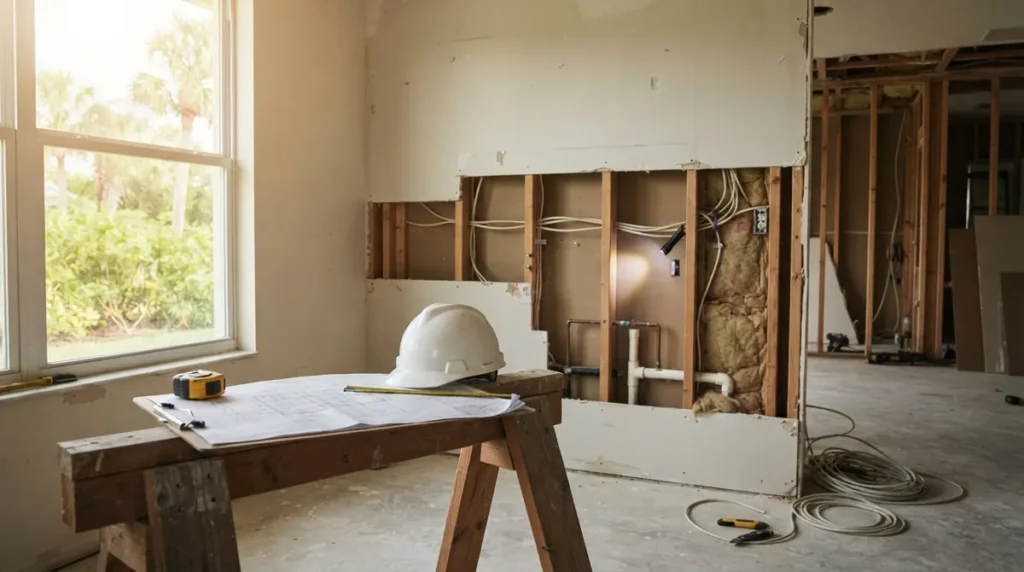
Inspectors cannot see through drywall, so concealed work may need to be exposed or verified by a sealed engineering evaluation, where local rules allow.
-
Before filing, confirm the correct jurisdiction (city or county), document existing work with measurements and photos, and gather receipts, product approvals, and contractor information.
-
Ignoring unpermitted work can lead to stop-work orders, fines, required corrections or removal, and stalled real estate closings or insurance claims.
-
Do not demolish or start more work before the permit is resolved, and avoid hiding the issue from buyers or lenders, since disclosure problems can become legal problems.
You finished the project. The crew packed up, the paint dried, and everything looks great. Then someone mentions the permit, and your stomach drops. Maybe you bought a home with a mystery addition. Maybe a contractor skipped a step. Maybe a code officer left a notice on the door.
First, take a breath. This happens all the time in Florida, and there is a path forward. It is called an after-the-fact building permit, and it is exactly what it sounds like: a permit application filed after the work has already started or been completed.
So what is an after the fact building permit in Florida, really? It is a regular permit application that the local building department reviews to confirm your work meets code. It is not a free pass, and it is not a waiver. But it is a legitimate way to bring existing work into compliance.
In this guide, we will walk through how the process works, what it may cost, what inspectors look for, and how to avoid common mistakes. Whether you are a homeowner, contractor, solar installer, or real estate professional, you will leave knowing your next step.
What an After-the-Fact Building Permit Actually Means
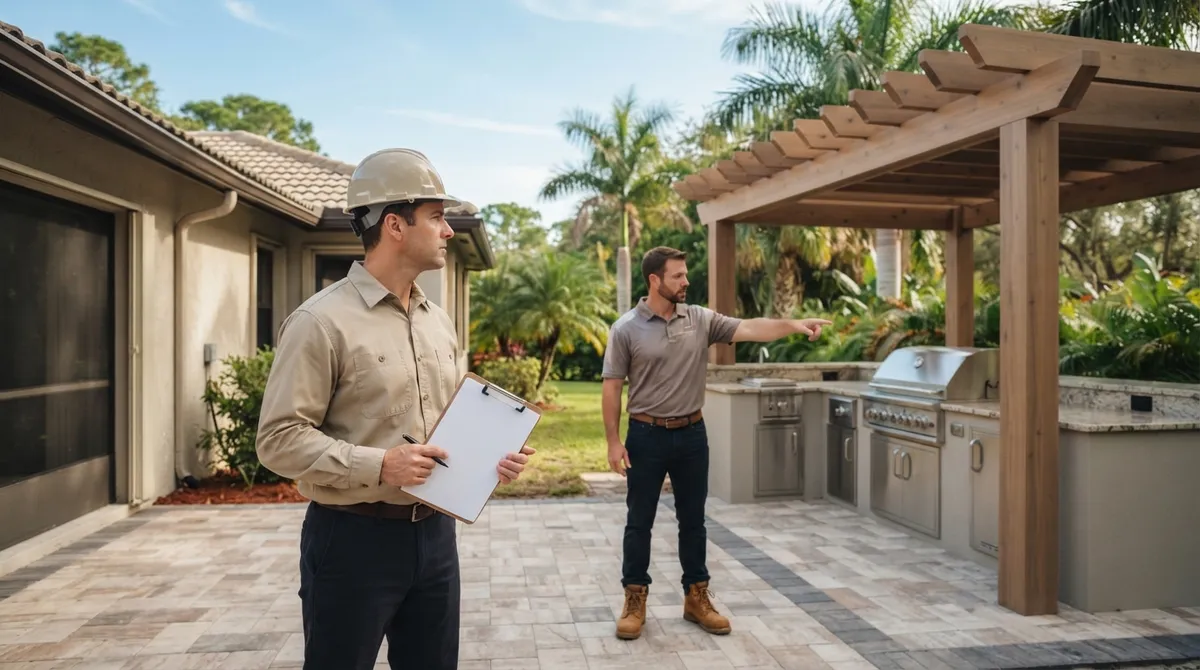
An after-the-fact building permit (sometimes called a retroactive or "ATF" permit) is an application submitted once permit-required work has already begun or finished. The local building department treats it like a normal permit review, with a few extra layers on top.
Here is the key point: approval is never automatic. The authority having jurisdiction, meaning your city or county building department, must still confirm the work complies with applicable building requirements. You will typically pay fees, and you may pay penalties on top of them.
Florida law is clear on the starting point. Chapter 553 of the Florida Statutes, including § 553.79, generally makes it unlawful to construct, alter, repair, or demolish a building without first getting the required permit. An after-the-fact permit is how owners correct that situation. Our team covers this process in detail on our after the fact and expired permits page.
After-the-Fact vs. Expired Permits
These two get confused often, so here is a quick comparison.
| Situation | What Happened | Typical Fix |
|---|---|---|
| After-the-fact permit | Work was done with no permit ever pulled | New permit application, plans, inspections, fees and penalties |
| Expired permit | A permit was pulled but lapsed before final inspection | Renewal, reinstatement, or new permit depending on the jurisdiction |
| Open permit | A permit exists but was never closed out | Schedule inspections and request closure |
If you are not sure which bucket you are in, our open permit search tool is a handy place to start.
Why Florida Owners End Up Needing One
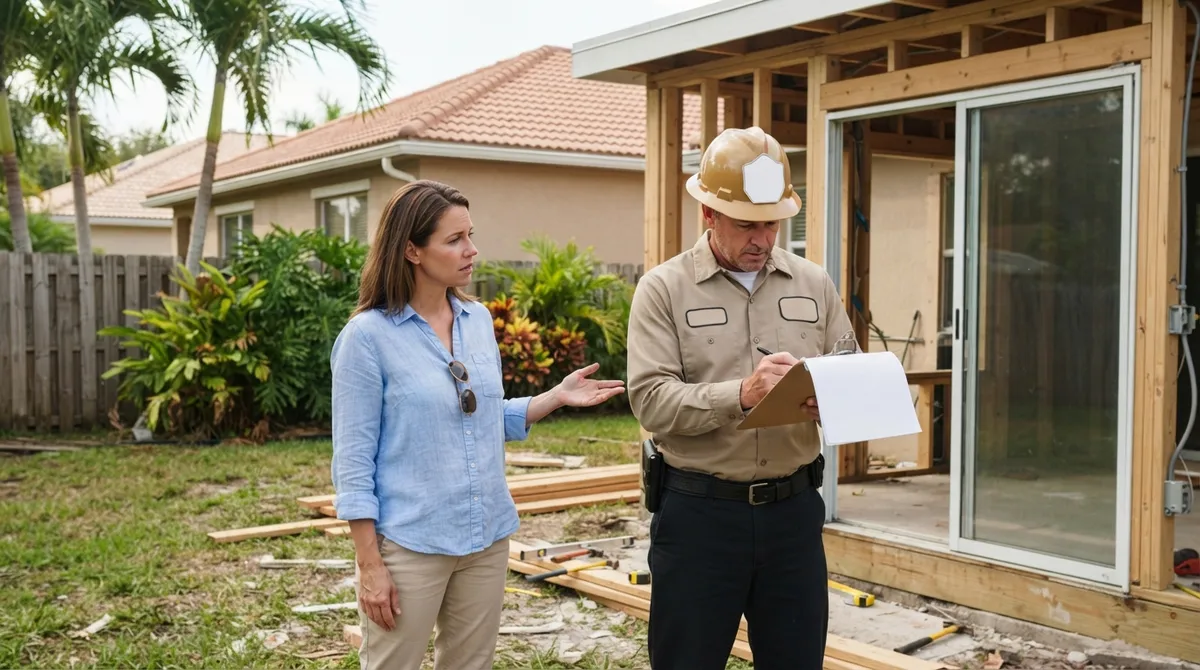
Nobody wakes up planning to skip a permit. Most people land here through very ordinary situations:
- Inherited problems. A prior owner enclosed a patio or finished a garage without paperwork.
- Contractor shortcuts. A hired contractor said they would pull the permit and never did.
- Closing surprises. A buyer's inspection, appraisal, or title search flagged unpermitted work.
- Code enforcement notices. A neighbor complaint or inspector visit triggered a violation.
- Storm rebuilds. Repairs after a hurricane were rushed and never documented.
- Simple confusion. The owner honestly did not know the work required a permit.
Sound familiar? You are in good company. If a contractor promised to handle the permit and did not, you may also want to read about what happens when someone said they would pull the permit.
Common Work That Triggers the Need
Permit requirements depend on the scope of work and the applicable code, and exemptions exist. Still, these projects commonly require permits and frequently show up in after-the-fact files:
- Room additions, garage conversions, and enclosed patios or lanais
- Roof replacements and structural roof repairs
- Electrical panel upgrades and new circuits
- Plumbing and water heater changes
- HVAC replacements
- Pool and spa construction, pool cages, and screen enclosures
- Impact windows and doors
- Solar installations
- Retaining walls, fences, and decks
- Commercial tenant build-outs
When in doubt, ask your local building department or a permitting professional before you start, not after.
How the After-the-Fact Process Works Step by Step
Every jurisdiction runs a little differently. Still, most Florida after-the-fact permits follow a similar rhythm.
- Identify the right jurisdiction. This sounds simple, but city lines can be tricky. The authority having jurisdiction could be a city or the county. Our building department lookup tool can help you confirm.
- Document what exists. Measure and photograph the completed work. Gather any receipts, product approvals, or contractor information you have.
- Prepare plans. Many departments want drawings that show what was actually built. These are often called as-built drawings, and some projects need sealed structural or MEP sheets.
- Submit the application. You describe the work, upload plans and supporting documents, and pay permit and review fees.
- Respond to review comments. Plan reviewers may ask for corrections or more information. Quick, accurate responses keep things moving.
- Complete inspections. Inspectors verify the work, and may require corrections.
- Final approval and closeout. Once everything passes, the permit is finaled and the record is cleared.
Timing varies widely. Florida Statutes § 553.792 sets review timeframes for complete applications in certain permit categories, but it does not create a universal processing time for after-the-fact permits. For general timing expectations, see our guide on how long a building permit takes in Florida.
What Documents You Will Typically Need
Submittal requirements vary by jurisdiction and project type, but expect some version of this list:
| Document | Why It Matters |
|---|---|
| Completed permit application | Describes the scope of work and parties involved |
| Site plan or survey | Shows setbacks, lot coverage, and placement |
| As-built floor plans or elevations | Documents what was actually constructed |
| Structural drawings or engineer letter | Verifies framing, loads, and wind resistance |
| Electrical, plumbing, or mechanical details | Confirms trade work meets code |
| Product approvals or NOAs | Required for windows, doors, and roofing in many areas |
| Contractor license or owner-builder paperwork | Establishes who is responsible for the work |
Need drawings? Our in-house team prepares plans and engineering with sealed drawings, so you are not chasing an outside consultant.
What It Costs: Fees and Penalties
Here is where honesty matters. There is no single statewide after-the-fact penalty. Each city or county sets its own fee schedule, so your cost depends on where the property sits. These examples from published local sources show how much it can vary:
| Jurisdiction | Published Approach |
|---|---|
| St. Lucie County | After-the-fact permit fee is double the regular fee |
| City of Miami | Two times the listed fee plus a base fee for homestead properties; four times plus a base fee for non-homestead or commercial properties |
| Orange City | Permit fee plus a penalty of two times the permit fee, and work may be stopped |
Beyond the permit fee itself, budget for plan drafting, possible engineering, inspection fees, and any corrective construction. For a deeper breakdown, read our article on after-the-fact permit costs in Florida.
Inspections, Concealed Work, and Engineering
This is the part that worries people most, so let us be direct. Inspectors usually need to verify the work, but they cannot see through drywall.
If key components are covered up, the building department may require you to expose them. In some cases, it may accept an engineering evaluation or other documentation instead, where its rules allow. St. Lucie County, for example, warns that concealed work may require a third-party engineering analysis at the owner's expense.
That is why a good engineer matters. A sealed engineer letter can sometimes verify structural conditions without tearing everything apart. It is never guaranteed, because the building department decides what it will accept, but it is often worth pursuing before anyone picks up a sledgehammer.
Do After-the-Fact Permits Have to Meet Current Code?
Generally, the building department reviews the work against the code requirements it applies to your project, and rules can differ by jurisdiction and scope. If the work cannot be shown to comply, you may need to open, alter, or even remove parts of it before approval. Your local department can tell you which code edition and standards apply to your situation.
What Happens If You Do Nothing
It is tempting to hope the problem fades away. Unfortunately, unpermitted work tends to resurface at the worst moment. Possible consequences include:
- Stop-work orders and code-enforcement notices
- Additional fees, fines, or penalties
- Required corrective work or removal of non-compliant construction
- Delayed or collapsed real estate closings
- Trouble with insurance claims or financing
Real estate professionals know this one well. An open or unpermitted item discovered late can stall a sale. See our article on an open permit found at closing for what to do, and learn about penalties for building without a permit in Florida.
If you already received a notice, our code compliance violations service is built for exactly that moment, and our urgent permit rescue team handles stop-work orders and stalled closings.
Tips for Each Type of Reader
Homeowners and Residential Property Owners
Start by gathering anything you have: photos, receipts, old listings, and survey documents. Do not demolish anything on your own just yet. Many projects can be legalized with the right documentation, and removal is not always required.
General Contractors and Design Trades
Verify who the permit holder should be, confirm your registration with the municipality, and keep clean records. Our general contractor support covers filing, tracking, and revision management so your crew stays productive.
Solar Companies
If an installation went in without a permit, you will typically need code-compliant structural and electrical documentation before approval. Our solar contractor services help assemble that package.
Realtors and Investors
Run an open-permit check early, ideally before listing or during due diligence. Our realtor and closing support helps clear holds so deals can move forward.
Can a Permitting Service Help?
Yes, within limits. A Florida permitting service can identify the correct jurisdiction, prepare and file the application, coordinate drawings and engineering, respond to plan-review comments, and schedule inspections. That is a lot of legwork off your plate.
What a service cannot do is guarantee approval or replace licensed professionals where the law requires them. Only the building department can approve your permit. A trustworthy partner will tell you that upfront.
At 1 Contractor Solutions, we act as Florida's outsourced permitting department, serving all 67 counties with same-day response and in-house sealed drawings. You can visit us on Google — 1 Contractor Solutions to see what customers say, or learn more about permit facilitation and filing.
Common Mistakes to Avoid
- Starting more work before the permit is resolved. This can make things worse.
- Hiding the issue from a buyer or lender. Disclosure problems can become legal problems.
- Guessing at the jurisdiction. Filing with the wrong office wastes weeks.
- Submitting incomplete plans. Rejections add time and cost.
- Assuming a general fee applies everywhere. Always check the local fee schedule.
Not sure which option fits your situation? Compare paths in our guide to how to legalize unpermitted work in Florida.
Conclusion: Your Next Step Is Easier Than It Feels
An after-the-fact building permit is simply Florida's way of letting you make things right. It takes documentation, patience, and sometimes engineering, but thousands of owners and contractors get through it every year.
The best move is to start before a problem forces your hand. Confirm your jurisdiction, document what exists, and get professional eyes on the plans. Want a friendly team to take the paperwork off your shoulders? Reach out and get a free quote today. You can also follow us on LinkedIn or follow us on Facebook for more Florida permitting tips.
FAQs
What does an after-the-fact building permit mean in Florida?
It is a permit application filed after permit-required work has already started or finished. The building department still reviews the work for code compliance, so it is not an automatic approval. Think of it as the official way to make things right.
Can I get a permit after construction is already finished in Florida?
In most cases, yes. You apply through the city or county with jurisdiction, submit plans and documents, pay fees, and pass any required inspections. Exact rules vary by location, so it is smart to check with your local building department first.
How much does an after-the-fact building permit cost in Florida?
There is no single statewide amount. Local fee schedules differ, with some places charging double the regular fee and others charging higher multiples plus a base fee. You should also budget for drawings, inspections, and any engineering.
Will I have to open walls or remove completed work?
Possibly. If key components are concealed, inspectors may ask you to expose them, or they may accept an engineering evaluation where local rules allow. If the work cannot be shown to comply, corrections or removal may be required.
Can a Florida permitting service get an after-the-fact permit for me?
A permitting service can prepare and file the application, coordinate drawings and engineering, answer review comments, and schedule inspections. It cannot guarantee approval, because only the building department can issue the permit.
We do this work every day across all 67 Florida counties. Call (866) 314-6931 and we will tell you what your situation actually requires — including when you do not need us.
Related services
Permit Facilitation & Filing
You have a crew scheduled, a client asking for dates, and a permit sitting somewhere in a queue you cannot see. We file it, w…
See the servicePlan Review Coordination
A permit in plan review is not one queue. On a commercial project it can be six queues, each with its own reviewer, its own c…
See the serviceReady to get your permit moving?
One call tells you which jurisdiction controls your project, what it will take, and what it will cost. Most of the time we can scope it on the phone.