
Blog
What Is a Temporary Certificate of Occupancy in Florida?
Learn what a temporary certificate of occupancy is in Florida, how it differs from a final CO, how long it lasts, and how to get one.
Key Takeaways
-
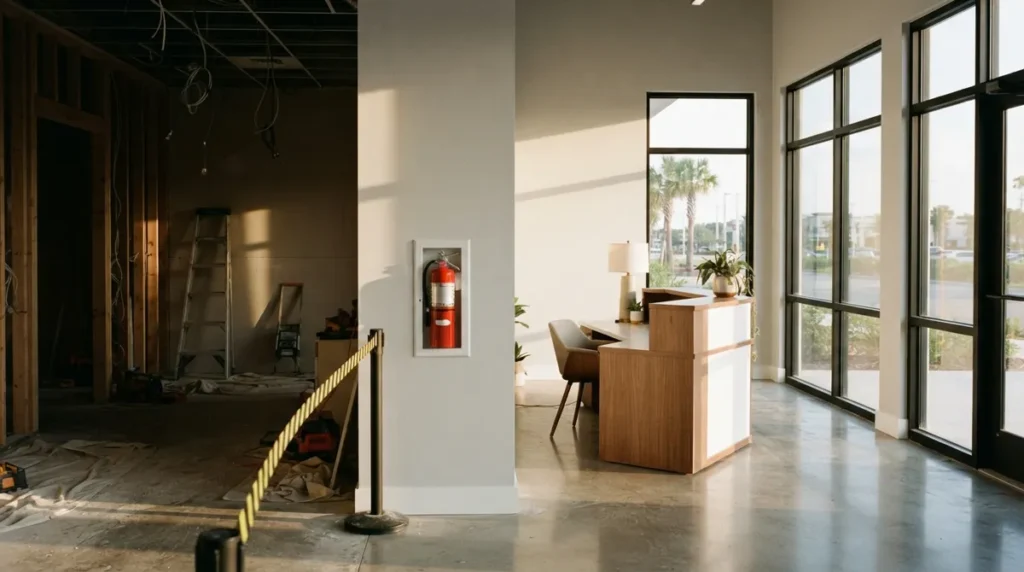
A temporary certificate of occupancy (TCO) lets you occupy a building or safely usable portion before all permitted work is finished, but it is discretionary and does not close out your permit.
-
Florida law authorizes TCOs under Building Code section 111.3, yet it does not require jurisdictions to offer them, so confirm with your local building department before planning around one.
-
Safety drives approval: officials typically require working fire protection, alarm, egress, accessibility features, and passed trade inspections for the specific area you plan to occupy.
-
TCO duration is set locally, not statewide; Orlando and Pinecrest use 30-day TCOs, and an expired TCO can trigger daily citations or revocation.
-
A TCO covers only the portion or use the building official identifies; it is permission to occupy, not automatic permission to operate a business, which may need a certificate of use and other licenses.
-
Request an extension before the TCO expires, and work backward from the expiration date to schedule remaining inspections and final CO closeout.
You've poured the slab, hung the drywall, and the finish line is finally in sight. But there's one snag: a few punch-list items, a pending inspection, or a landscaping delay is keeping your final sign-off just out of reach. Meanwhile, your tenant is ready to move in, your buyer is waiting at the closing table, or your family is living out of a rental. This is exactly the moment people start asking, what is a temporary certificate of occupancy?
In short, a temporary certificate of occupancy (TCO) is a time-limited permission slip from the local building official that lets you use a building, or a safely usable part of it, before every piece of permitted work is finished. It's a handy tool, but it's also widely misunderstood. It isn't a final approval, it isn't guaranteed, and the rules change depending on which Florida jurisdiction you're in.
In this friendly guide, we'll walk through how a TCO works in Florida, how it differs from a final certificate of occupancy, what it typically takes to get one, and what to do when the clock starts ticking. Let's dive in!
What Is a Temporary Certificate of Occupancy?
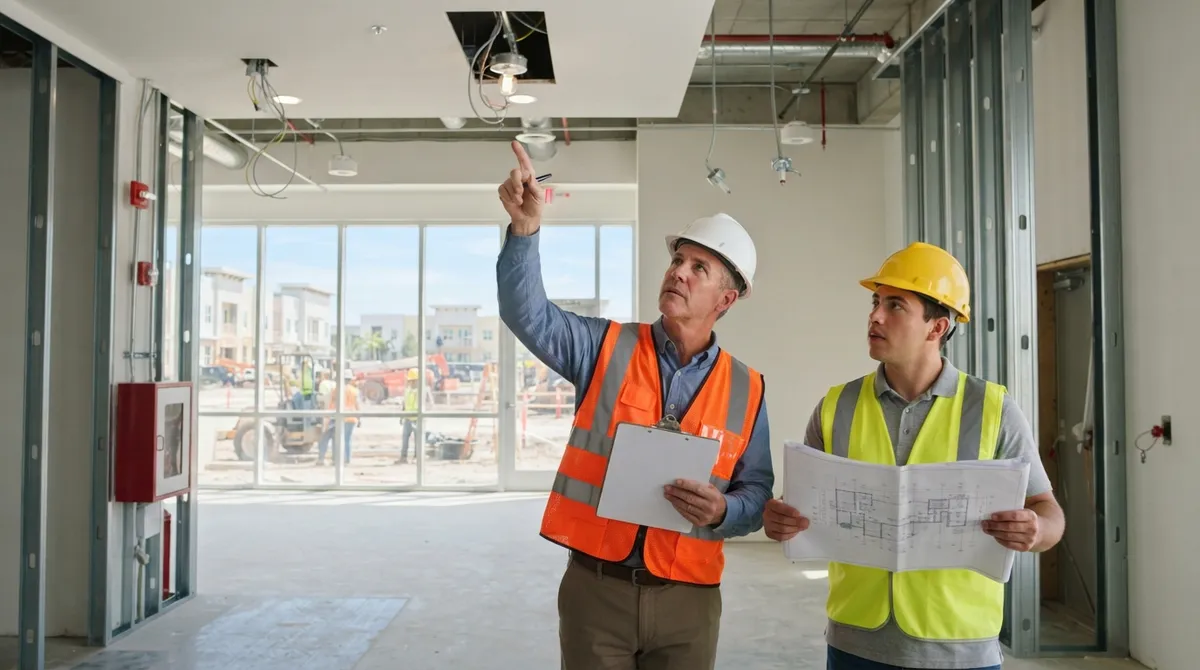
A temporary certificate of occupancy is a building official's conditional, time-limited authorization to occupy a building, or a portion of it, before all work covered by the building permit is complete. Under Florida Building Code section 111.3, the building official has the authority to issue one when the portion in question can be occupied safely.
Think of it like a learner's permit for your building. You're allowed to use it under specific conditions and for a limited time, but you haven't yet passed the final test. The goal is to let a safe, mostly finished space start serving its purpose while the remaining items get wrapped up.
Here's what a TCO generally is, and isn't:
- It is a time-limited authorization to occupy a safely usable building or area.
- It is issued at the discretion of the local building official.
- It is not proof that the whole project is complete or that permit closeout is done.
- It is not automatic permission to open a business, since separate licenses and approvals may still apply.
TCO vs. Final Certificate of Occupancy: What's the Difference?
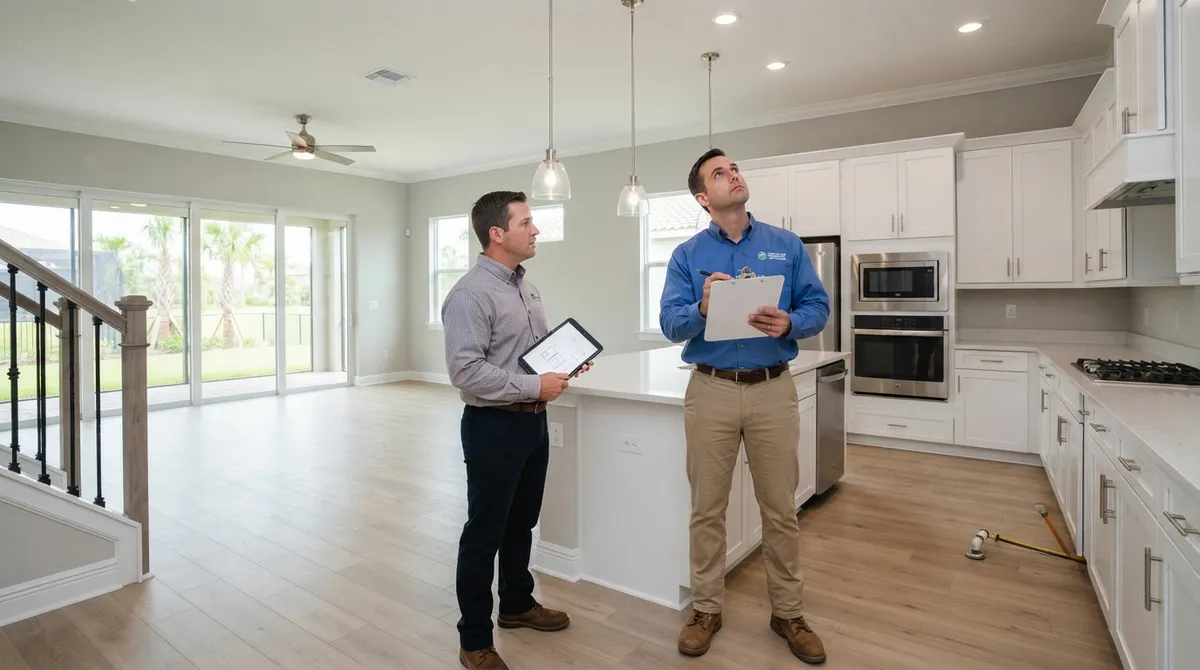
This is the single most common point of confusion, so let's clear it up. A final certificate of occupancy (CO) generally follows completion of all required work, inspections, approvals, and fees. A TCO is a stopgap that says, "This area is safe enough to use right now, but we're not done yet."
| Feature | Temporary CO (TCO) | Final CO |
|---|---|---|
| Project status | Work still open or incomplete | All permitted work complete |
| Duration | Limited; set by the local jurisdiction | Ongoing |
| Scope | Specific portion or use identified by the official | Entire permitted building or use |
| Issuance | Discretionary; not required of every jurisdiction | Required to close out the permit |
| Revocation risk | Can be revoked or expire | Stable once issued |
| Closeout | Does not close the permit | Closes out the permit |
If you want a deeper look at the final stage, our guide on how to get certificate of occupancy help in Florida walks through the closeout process in detail.
Is a TCO Even Available in Florida?
Here's a twist that surprises many owners: the Florida Building Code authorizes a building official to issue a TCO, but it does not require every jurisdiction to offer one. That means your city or county may have robust TCO procedures, limited ones, or in some cases none at all.
A 2025 interpretation from the Building Officials Association of Florida (BOAF Interpretation #9125, published July 31, 2025) reinforces this point. It states that the Florida Building Code does not require a jurisdiction to issue TCOs and characterizes a local fixed-duration limit as an administrative amendment.
Some jurisdictions have gone further. For example, the City of Cape Coral issued a notice to industry about removing TCOs for one- and two-family residences, effective November 2, 2023. The takeaway is simple: always confirm the local rules before you build your schedule around a TCO.
Why Safety Sits at the Center of Every TCO
A building official won't hand out a TCO just because you're in a hurry. Safety is the heart of the decision. Local guidance commonly requires that applicable life-safety and accessibility requirements be satisfied for the specific area proposed for occupancy.
Depending on your jurisdiction and project, the official may look for things like:
- Working fire protection, alarm, and egress systems in the occupied area
- Accessible routes and required accessibility features
- Passing inspections for the relevant trades (electrical, plumbing, mechanical, structural)
- Safe separation between occupied space and active construction zones
- Completion of specific outstanding items the official requires beforehand
Because each building department sets its own checklist, a TCO that's routine in one city might be a heavier lift in another.
How Long Does a TCO Last in Florida?
There's no single statewide duration. The issuing jurisdiction sets the validity period and may require an extension if work remains. Here are a few local examples to illustrate the range:
| Jurisdiction | Reported TCO Duration | Notable Detail |
|---|---|---|
| City of Orlando | 30 days | Expired TCOs may be subject to daily code-enforcement citations |
| Village of Pinecrest | 30 days | Extension required if the project isn't done in time; an expired master permit can automatically revoke the TCO |
| City of Cape Coral | Not offered for 1- and 2-family homes | TCO removal notice effective 11/02/2023 |
These are local examples, not a statewide rule. Your jurisdiction's timeline could be shorter, longer, or structured completely differently. The key is to know your deadline the moment the TCO is issued.
What Can You Actually Do With a TCO?
A TCO applies to the portion or use identified by the building official, not automatically to every area or activity at the site. It's permission to occupy, not necessarily permission to operate.
That distinction matters a lot for commercial projects. Opening a restaurant, retail shop, or office may involve separate approvals, such as a certificate of use, health or fire department sign-offs, and business licensing. If you're opening a business, it's worth reading up on certificate of use requirements alongside your TCO so nothing catches you off guard on opening day.
For homeowners and investors, a TCO might let a buyer or family move into a mostly finished home while minor exterior work wraps up, but only where the local jurisdiction allows it for that building type.
How to Request a TCO: A Typical Step-by-Step Process
Every jurisdiction does this a little differently, but most follow a similar rhythm. Here's a general roadmap:
- Confirm TCOs are offered. Check with your building department to verify they issue TCOs for your project type and what their procedure looks like.
- Identify the area to be occupied. Define the specific portion or use you want covered and confirm it can be safely separated from remaining work.
- Gather your documentation. This commonly includes the permit number, a list of completed and outstanding items, passed inspection records, and any required forms and fees.
- Schedule required inspections. Life-safety, accessibility, and trade inspections for the occupied area typically need to be completed first.
- Submit the TCO request. File with the authority having jurisdiction, following its application format.
- Receive conditions and a deadline. If approved, note the expiration date and any conditions attached.
- Finish the remaining work. Close out open items and request your final inspections and final CO before the TCO expires.
The building official, not a consultant, makes the final call. But being organized and complete on submission goes a long way toward a smooth review.
What Happens If a TCO Expires or Gets Revoked?
This is where things can get stressful, so let's talk about it openly. A TCO can be subject to conditions or revocation. Pinecrest, for example, says an expired master permit can automatically revoke its TCO, and the official may revoke it if the space becomes unsafe or occupancy-related code violations arise.
If a TCO expires before your work is done, possible consequences include:
- Having to request an extension (not always granted automatically)
- Daily code-enforcement citations in some jurisdictions, such as Orlando
- Loss of legal permission to occupy the space
- Delays to a sale, lease, or business opening
If your permit has already lapsed, you're not out of options. Our article on what reopens an expired Florida permit fastest can help you map the path forward, and it's much easier to fix before enforcement escalates.
How the Florida Statutes Fit In (and Where They Don't)
Florida Statutes section 553.791(14)(a) sets a 10-business-day period for a local building official to issue a requested CO or certificate of completion, or identify deficiencies, after specified prerequisites. For single- or two-family dwelling permits, that period is 2 business days.
Here's the important caveat: this provision concerns COs and certificates of completion, not a general TCO deadline. It doesn't give you a statutory right to a TCO or set how fast one must be issued. Keep that in mind so you don't plan around a timeline that doesn't apply to TCOs.
Who Needs a TCO the Most?
Different audiences run into TCO questions for different reasons. Here's how it often plays out:
General Contractors and Design Trade Professionals
For GCs, a TCO can keep a project moving when a tenant, owner, or lender needs access before every punch-list item is done. Coordinating inspections and tracking open permit items becomes critical, especially with a ticking expiration date.
Real Estate Professionals and Investors
A pending closing can hinge on occupancy status. If a property has open permit items, a TCO may bridge the gap, though lenders and title companies may have their own requirements. If a deal is being held up, see our guide on how to fix a Florida closing held up by unpermitted work.
Solar Companies
Solar installers generally deal with final inspections and utility interconnection rather than occupancy certificates, but new-construction timelines can overlap. Knowing where a TCO fits helps you sequence your installation and sign-offs.
Homeowners and Residential Property Owners
If you're finishing an addition or a new build, remember that many jurisdictions limit or eliminate TCOs for one- and two-family residences. Ask early so you aren't caught off guard.
How Florida Permitting Services Can Help With a TCO
Chasing a TCO can feel like juggling flaming torches: inspections, paperwork, local quirks, and a countdown clock. This is where a permitting partner earns its keep. Florida permitting services can help applicants:
- Confirm local TCO rules and whether your jurisdiction offers one
- Coordinate required inspections and approvals
- Track open permit items so nothing slips through
- Prepare and submit the TCO request
- Pursue extensions when needed
- Drive toward final CO closeout
At 1 Contractor Solutions, we act as Florida's outsourced permitting department across all 67 counties, with in-house drafting and engineering and same-day response. We don't decide whether a TCO gets issued, because the authority having jurisdiction does that, but we do make sure your request is complete, well-timed, and tracked through to the finish. If you want to see what other owners say, you can visit us on Google — 1 Contractor Solutions.
If your project is also tangled in older issues, our resources on clearing a CO hold for unpermitted work and understanding as-built drawings can save you real time.
Practical Tips to Make Your TCO Go Smoothly
A little preparation can prevent a lot of headaches. Keep these in mind:
- Call the building department first. Confirm availability, fees, duration, and required documents before promising anyone a move-in date.
- Separate occupied from active areas. Safe separation helps the official sign off on the portion you need.
- Build a closeout calendar. Work backward from your TCO expiration so extensions aren't a last-minute scramble.
- Keep every record. Inspection reports, approvals, and correspondence are your safety net.
- Don't assume it covers your business license. Check separate approvals in parallel.
For extra context on the broader permitting process, the Brain Buzz Marketing team is a helpful resource for contractors building their online presence, and you can follow us on LinkedIn or follow us on Facebook for ongoing Florida permitting tips.
Wrapping Up: Your TCO Game Plan
So, what is a temporary certificate of occupancy? It's a conditional, time-limited green light to use a safely occupiable building or portion before the final CO is ready. It's powerful when it's available and used wisely, but it's discretionary, it varies by jurisdiction, and it comes with a clock that you'll want to respect.
The best approach is to confirm local rules early, keep safety and documentation front and center, and plan your path to final closeout from day one. You don't have to figure it all out alone. If you'd like a hand navigating inspections, extensions, or final CO closeout, get a free quote and let our team help you turn that temporary approval into a permanent one.
FAQs
What is a temporary certificate of occupancy in Florida?
A temporary certificate of occupancy (TCO) is a building official's time-limited permission to occupy a building, or a safely usable portion of it, before all permitted work is finished. Florida Building Code section 111.3 gives the official this authority, but issuing one is optional, so local rules apply.
Can I move in or open a business with a TCO?
A TCO may allow you to occupy the specific area the building official identifies, but it isn't automatic permission to run a business. Separate licenses, certificates of use, or other approvals may still be required, so it's smart to check those alongside your TCO.
How long does a TCO last, and can it be extended?
The issuing jurisdiction sets the duration. Orlando and Pinecrest, for example, both describe 30-day TCOs, but that isn't a statewide rule. If work remains, you'll typically need to request an extension before it expires, and expired TCOs can lead to citations or revocation.
What's the difference between a TCO and a final certificate of occupancy?
A TCO is a conditional, temporary approval while work is still open, and it doesn't close out your permit. A final CO generally follows completion of all required work, inspections, approvals, and fees, and it's what finishes the permitting process.
What happens if my TCO expires before the work is done?
You may lose legal permission to occupy the space and, in some jurisdictions, face daily code-enforcement citations. The best move is to request an extension early and work with your building department, or a Florida permitting service, to complete closeout quickly.
We do this work every day across all 67 Florida counties. Call (866) 314-6931 and we will tell you what your situation actually requires — including when you do not need us.
Related services
Permit Facilitation & Filing
You have a crew scheduled, a client asking for dates, and a permit sitting somewhere in a queue you cannot see. We file it, w…
See the servicePlan Review Coordination
A permit in plan review is not one queue. On a commercial project it can be six queues, each with its own reviewer, its own c…
See the serviceReady to get your permit moving?
One call tells you which jurisdiction controls your project, what it will take, and what it will cost. Most of the time we can scope it on the phone.