
Blog
What Does It Cost to Legalize a FL Addition?
Discover what drives the cost to legalize an unpermitted addition in Florida, from permit fees to engineering and corrections.
Key Takeaways
-
Typical costs for straightforward residential after-the-fact permits in Florida range from $2,000–$4,000, while complex additions involving structural changes or code violations can reach $3,000–$10,000 or more.
-
Every Florida county and city sets its own fee structure and applies surcharges of 25%–100% (or 2–3x standard fees) for unpermitted work, making jurisdiction-specific estimates essential rather than relying on generic numbers.
-
Most after-the-fact permits require sealed as-built drawings from a Florida-licensed engineer or architect, costing $1,500–$10,000 depending on complexity, especially for structural work or high-wind zones.
-
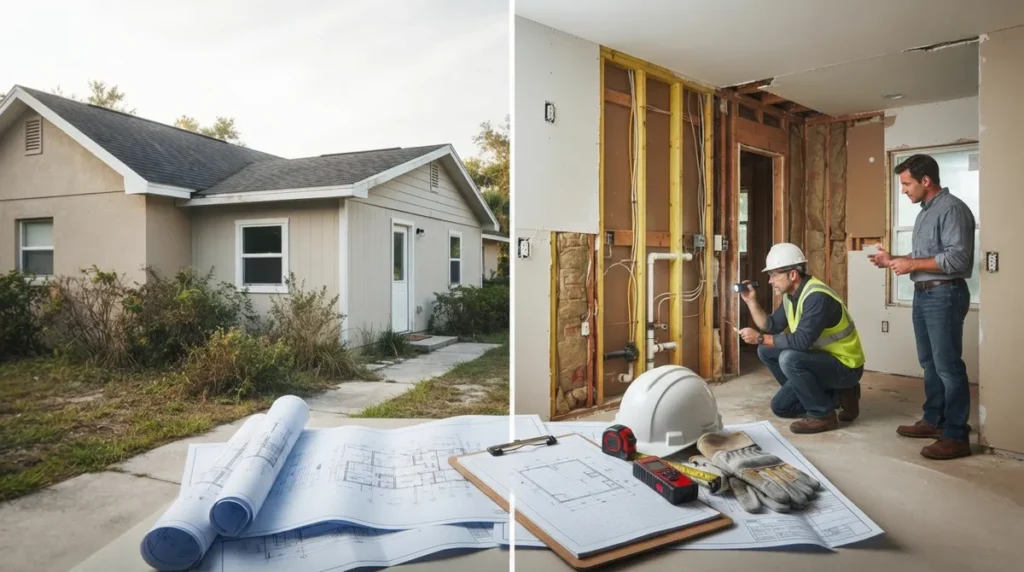
Building departments may require you to open walls and expose concealed framing, electrical, or plumbing for inspection verification, adding demolition and repair costs on top of permit fees.
-
Unpermitted additions commonly surface during real estate sales, appraisals, insurance reviews, or when contractors pull new permits, making early legalization before listing a cost-effective strategy for sellers.
-
Address minor code issues proactively and provide clear as-built documentation upfront to reduce plan review delays, resubmittal fees, and overall permitting timeline.
So you just found out your Florida home has an addition nobody ever permitted. Maybe a home inspector flagged it during a sale, or maybe you're the one who bought the house years ago and are only now digging through old records. Either way, take a breath. You are far from alone, and this is fixable. The real question on everyone's mind is simple: how much does it cost to legalize an unpermitted addition in Florida? The honest answer is "it depends," but we can give you real numbers, real ranges, and a realistic roadmap so you're not walking into your local building department blind.
At 1 Contractor Solutions, we spend our days inside Florida building departments across all 67 counties, so we've seen this scenario play out hundreds of times. Whether you're a homeowner in Bradenton, a realtor closing a deal in Sarasota, or a general contractor inheriting someone else's mess in Tampa, this guide walks through what actually drives the cost of an after-the-fact permit in Florida, and how to keep that cost as low as possible.
Why Unpermitted Additions Are a Bigger Deal Than They Seem
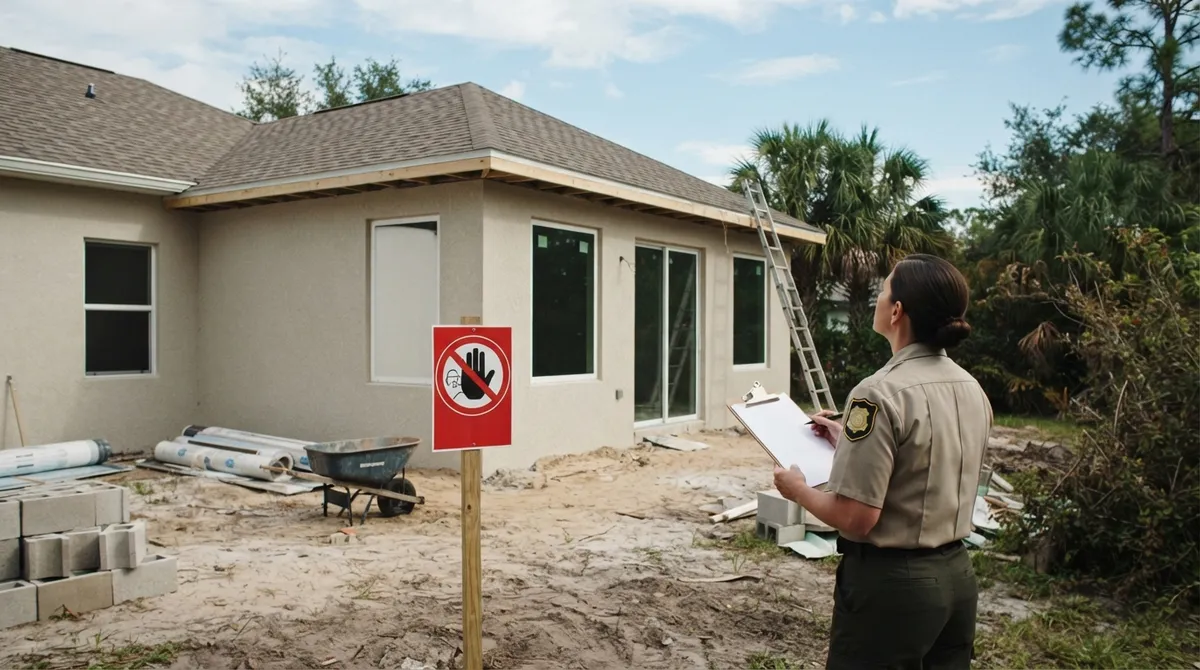
Florida law is pretty clear on this one. Under Florida Statutes Section 553.79, you generally need a building permit before you construct, enlarge, alter, repair, or modify a structure, unless a specific exemption applies. That means the sunroom, the extra bedroom, or the enclosed lanai someone built without pulling a permit is technically unlawful construction, even if it's been standing for twenty years without a hiccup.
The good news? Florida also has a well-established path to fix this: the after-the-fact permit, sometimes called a retroactive or as-built permit. It's not a punishment exactly, it's a process. Local building departments deal with this constantly, and most have a defined procedure for bringing older, unpermitted work into compliance.
What Triggers the Discovery
Unpermitted additions tend to surface at the worst possible moments:
- A real estate appraisal or home inspection during a sale
- An insurance company reviewing the property for coverage
- A neighbor complaint or code enforcement drive-by
- A homeowner applying for a new permit and the department finds the old, unpermitted work in the file
- A roofing or solar contractor pulling permits and discovering the square footage doesn't match county records
How Much Does It Cost to Legalize an Unpermitted Addition in Florida?
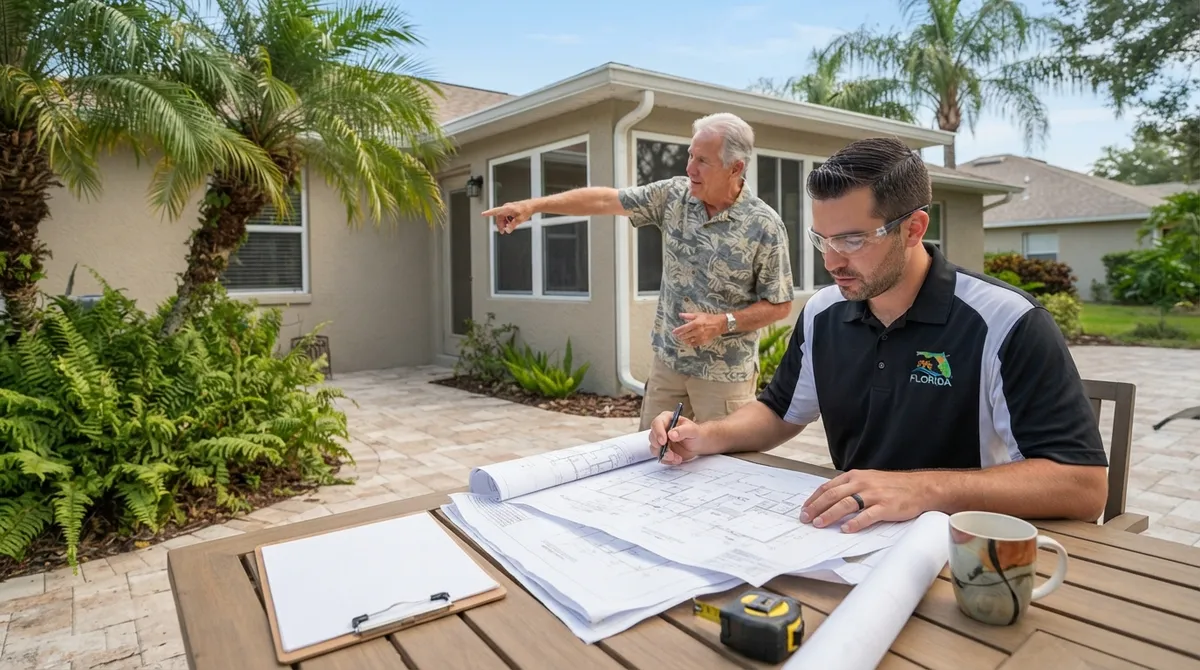
Here's the number everyone wants: a straightforward residential after-the-fact permit in Florida typically runs about $2,000 to $4,000 when you factor in engineering, local fees, and minor corrections. More complex additions, especially ones involving structural changes, electrical or plumbing work, or code violations, can push the total to $3,000 to $10,000 or more.
There is no statewide flat fee. Every city and county building department sets its own fee schedule under the authority granted by Florida Statutes Section 553.79, so a project in Miami-Dade County won't cost the same as one in Pinellas County or Polk County. That's exactly why getting a property-specific estimate matters more than any generic number you'll find online.
Typical Cost Breakdown
| Cost Category | Typical Range | What Drives It |
|---|---|---|
| Standard permit and plan review fees | Varies by jurisdiction | Local fee schedule based on square footage or valuation |
| After-the-fact penalty surcharge | 25%–100% extra, or 2–3x standard fee | Local policy on unpermitted work started before approval |
| Engineering or architectural evaluation | $1,500–$10,000 | Complexity of structure, sealed as-built drawings needed |
| Corrections for code compliance | $0–$1,500+ for minor fixes | Missing anchors, connections, or minor code gaps |
| Exposing concealed work (if required) | Varies widely | Opening walls, ceilings, or floors for inspection |
| Fines or code enforcement costs | Case by case | Separate from permit fees; depends on local enforcement history |
The Biggest Cost Drivers You Should Know About
1. The Local Building Department's Fee Structure
This is the single biggest wildcard. Published guidance on Florida after-the-fact permitting commonly reports surcharges of roughly 25% to 100% above standard permit fees, while some jurisdictions charge two to three times the normal fee for work that was started or completed without a permit. Two nearly identical additions in two different counties can have wildly different price tags simply because of where they sit on the map.
2. Whether You Need Sealed Engineering or Architectural Plans
Most after-the-fact permits require as-built drawings, and depending on the scope, a Florida-licensed engineer or architect may need to seal them. Structural additions, enclosed rooms, foundation work, and anything in a high-wind zone are far more likely to need professional documentation. Reported costs for this piece run from about $1,500 for simpler evaluations up to $3,000–$10,000 for more complex residential projects.
3. Concealed Work That Can't Be Verified
Here's the part nobody loves talking about: if the framing, electrical, plumbing, or insulation was closed up before an inspector ever saw it, the building department may require you to open it back up. That means cutting into drywall or exposing structural connections so the inspector can actually verify the work meets code. If that happens, you're now paying for demolition and repair on top of everything else.
4. Code, Zoning, or Floodplain Non-Compliance
If the addition doesn't meet current Florida Building Code, zoning setbacks, or floodplain requirements, corrections are required before approval. In serious cases, part or all of the addition may need to be modified or removed. Code-enforcement fines and administrative costs are often separate line items from the permit fees themselves.
Step-by-Step: How the After-the-Fact Permit Process Works
- Confirm the jurisdiction. Figure out exactly which city or county building department has authority over the property. Our building department lookup tool makes this simple, especially for properties near city-county lines.
- Check for existing violations or open permits. Search county records using a resource like our open permit search tool to see if the property already has flags on file.
- Gather documentation. This typically includes a survey, photographs, measurements, and construction details of the existing addition.
- Get as-built plans prepared. If structural elements are involved, sealed drawings from a licensed engineer are usually required. Our as-built drawings and engineer letters services cover exactly this.
- File the after-the-fact permit application. This gets submitted to the local building department along with the required fees.
- Respond to plan review comments. Reviewers may request corrections, additional details, or clarifications before approval.
- Schedule inspections. Depending on findings, this could include a straightforward walkthrough or a request to expose concealed construction.
- Complete any required corrections. Address code deficiencies identified during review or inspection.
- Receive final approval. Once everything checks out, the permit closes and the addition becomes officially legal.
Who Actually Handles This Kind of Project
This process touches a lot of different people, and each one has different priorities:
- General contractors managing a renovation often discover a prior owner's unpermitted addition mid-project and need it resolved before new permits can move forward. Our general contractors resource page covers how we support GCs through exactly this scenario.
- Solar companies frequently run into this when installing panels on a roof that covers an unpermitted addition, since the electrical and structural documentation for the whole property needs to check out first. See our solar contractors page for more.
- Realtors and investors deal with this constantly at closing time, when an appraisal or inspection reveals square footage that was never permitted. Our realtor closing support service exists specifically for these time-sensitive situations.
- Homeowners are often the most surprised parties, especially if they bought a house with an addition built by a previous owner years earlier.
- Design trade professionals, including architects and specialty trades, sometimes need outsourced drafting and engineering support to handle the as-built documentation without stretching their own in-house resources thin.
Can You Sell a House With an Unpermitted Addition?
Technically, yes, but it complicates things significantly. Buyers, lenders, and insurance companies increasingly ask pointed questions about permit history, and title companies may flag open or missing permits during closing. Many sellers choose to legalize the addition before listing, while others negotiate a price reduction or escrow arrangement to cover the future cost. If you're a realtor navigating this, our team regularly supports closings in Tampa, Miami, and Orlando where this exact issue pops up.
Ways to Keep Costs Down
| Strategy | Why It Helps |
|---|---|
| Get a jurisdiction-specific fee estimate early | Avoids surprises from local surcharges that vary widely |
| Provide clear, accurate as-built documentation upfront | Reduces plan review back-and-forth and resubmittal fees |
| Address minor code issues proactively | Cheaper to fix small items now than after a failed inspection |
| Work with a team that files and tracks permits daily | Fewer delays mean fewer carrying costs and less lost time |
| Use in-house sealed drawings instead of third-party consultants | Speeds up corrections since revisions happen under one roof |
This is exactly where working with a dedicated permitting partner pays off. Our after-the-fact and expired permits service handles the entire process, from figuring out which jurisdiction controls your property to filing the paperwork and coordinating every reviewer comment. Because our drafting and engineering are in-house, corrections happen fast instead of waiting on an outside consultant to call back.
Regional Considerations Across Florida
Fee structures and enforcement attitudes really do vary by county. Coastal counties like Pinellas County and Collier County often layer in flood zone and wind-load requirements on top of standard review. Dense urban counties like Broward County and Miami-Dade County tend to have stricter documentation demands given their high-wind building code requirements. Meanwhile, growing suburban markets like Manatee County and Lee County see a steady stream of after-the-fact cases tied to older homes changing hands. If you're unsure which office actually reviews your project, our building department lookup resource sorts that out fast.
For more background on the legal framework, the Florida Legislature's official statute page for Section 553.79 lays out the permitting requirements in detail, and it's worth a skim if you like reading the fine print straight from the source.
What to Expect From a Trusted Permitting Partner
We built 1 Contractor Solutions specifically because this process is confusing, jurisdiction-dependent, and often stressful for the people going through it. We handle permit filing, tracking, plan review coordination, and structural or MEP engineering with our own sealed drawings, so you're not chasing five different vendors while your project sits stalled. We're proud of the relationships we've built across Florida's building departments, and you can visit us on Google — 1 Contractor Solutions to see how we've helped homeowners, contractors, and realtors move past exactly this kind of roadblock. You can also follow us on LinkedIn or follow us on Facebook for updates on Florida permitting rules as they evolve.
Ready to Get Your Addition Legalized?
Unpermitted additions are common, fixable, and nowhere near as scary as they first feel once you have the right team walking you through the process. Between local fee schedules, potential surcharges, engineering requirements, and possible corrections, costs genuinely vary from property to property, which is exactly why a personalized estimate matters more than any average you'll find online. If you're ready to stop guessing and start solving this, get a free quote from our team today, and let's get your Florida property fully, officially, and permanently legal.
FAQs
How much does an after-the-fact permit cost in Florida?
For a straightforward residential case, you're typically looking at about $2,000 to $4,000 once you factor in engineering, local fees, and minor corrections. Larger or more complex additions can run $3,000 to $10,000 or more, so it really pays to get a jurisdiction-specific estimate rather than relying on a general number.
Do I need an engineer or architect to legalize an unpermitted room addition in Florida?
In many cases, yes, especially if the addition involves structural changes, enclosed rooms, or foundation work. Reported costs for this piece of the process range from around $1,500 for simpler evaluations up to $3,000 to $10,000 for more complex residential projects, and our in-house engineering team can help determine exactly what's needed for your property.
Can I sell a Florida house with an unpermitted addition?
You technically can, but it often complicates the closing process since buyers, lenders, and title companies frequently flag missing permits. Many sellers choose to legalize the addition beforehand to avoid last-minute negotiations or delays, and our realtor closing support team helps smooth this out when time is tight.
Will I have to tear out drywall or walls for an after-the-fact inspection?
It's possible, especially if concealed work like framing, wiring, or plumbing couldn't be verified when it was originally built. If an inspector can't confirm code compliance without seeing it, portions of the addition may need to be opened up, which does add cost, but it's usually limited to the areas in question rather than the whole structure.
Are there fines or penalties for building an addition without a permit in Florida?
Yes, most Florida jurisdictions apply an added surcharge on top of standard permit fees, commonly reported at 25% to 100% extra, though some areas charge two to three times the normal fee. Separate code enforcement fines can also apply in more serious cases, which is another reason getting ahead of the issue sooner rather than later tends to save money.
We do this work every day across all 67 Florida counties. Call (866) 314-6931 and we will tell you what your situation actually requires — including when you do not need us.
Related services
Permit Facilitation & Filing
You have a crew scheduled, a client asking for dates, and a permit sitting somewhere in a queue you cannot see. We file it, w…
See the servicePlan Review Coordination
A permit in plan review is not one queue. On a commercial project it can be six queues, each with its own reviewer, its own c…
See the serviceReady to get your permit moving?
One call tells you which jurisdiction controls your project, what it will take, and what it will cost. Most of the time we can scope it on the phone.