
Blog
Fix It Fast vs. Close As-Is: Clearing a Permit Hold in FL?
Permit hold threatening your Florida closing? Compare fixing it first versus closing as-is, with clear steps for open, expired, and unpermitted permits.
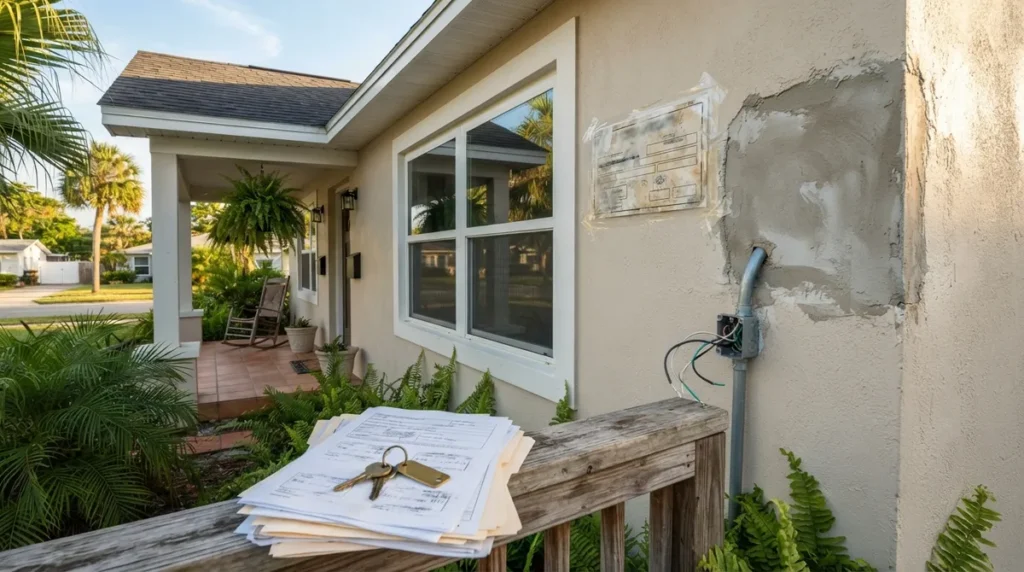
Key Takeaways
-
Permit holds are common and fixable, but the right path depends on what the hold actually is: an open permit, expired permit, unpermitted work, failed inspection, or a separate code-enforcement lien.
-
Florida permitting is administered locally, so get the exact finding in writing from your title agent and request written closing requirements from the city or county building department.
-
An open permit and a code-enforcement lien are separate issues; closing out the permit record alone may not release a recorded lien, so confirm each one independently.
-
Expired permits are not automatically cleared; local agencies may require new permits, remaining inspections, or corrections, though Florida Statute 553.79 offers some closure relief subject to local review.
-
Fixing the issue before closing is usually the lower-risk route, while closing as-is requires agreed workarounds like escrow holdbacks or price credits and lender approval.
-
Start immediately, since timelines vary widely: a missed final inspection may resolve quickly, while after-the-fact permits with drawings and corrections take considerably longer.
You're days away from closing on a Florida property, the movers are booked, and then your title agent drops the news: there's a permit hold. Take a breath. It's stressful, but it's also very common, and in most cases it can be solved with the right plan and a little teamwork.
If you're asking yourself, how do I clear a permit hold before closing in Florida, the honest answer is that it depends on what the "hold" actually is. It might be an open permit, an expired permit, unpermitted work, or even a separate code-enforcement lien. Each one has its own fix.
In this guide, we'll compare the two main paths sellers and buyers usually weigh: fixing the issue before closing versus closing as-is with an agreed workaround. We'll walk through what each looks like, what it costs in time and stress, and how to decide. Along the way, you'll get a clear step-by-step process you can start today. If you want a deeper look at how holds interact with deadlines, see our article on whether a permit hold can delay a Florida real estate closing.
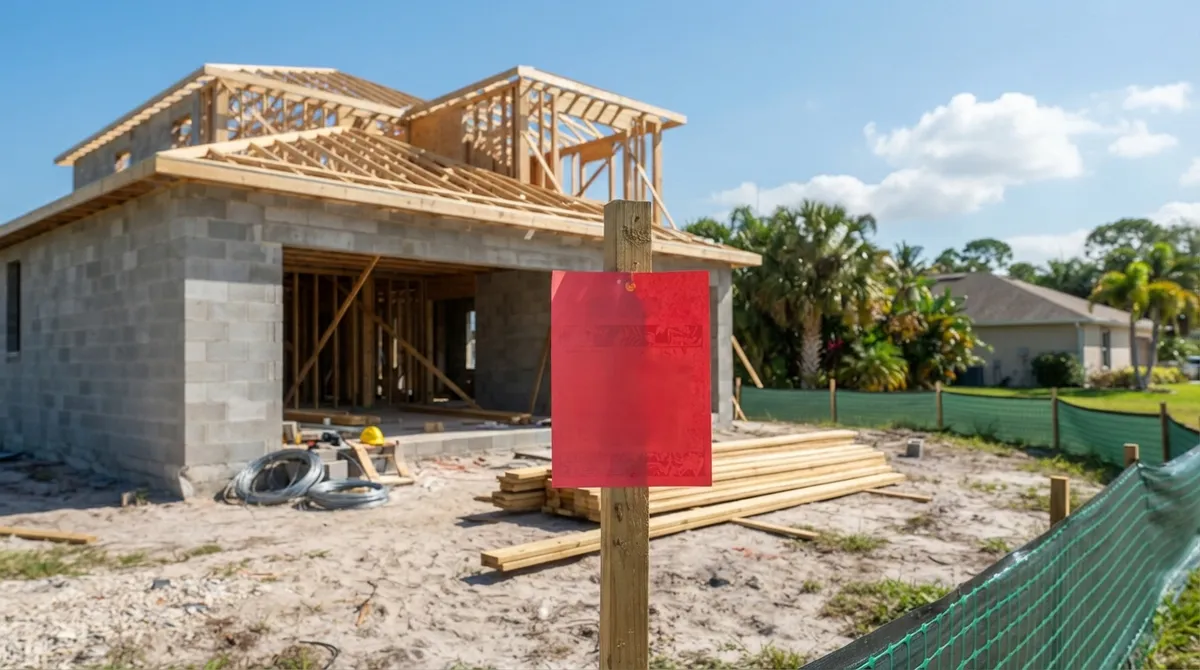
What Is a Permit Hold, Really?
Here's the first surprise: "permit hold" is not one uniform statewide status. Florida permitting is administered locally, so the term can mean different things depending on the city or county. The responsible local department decides what has to be cleared.
Common situations that get lumped under "permit hold" include:
- An open building permit where work started but never passed final inspection
- An expired permit that lapsed before closeout
- A failed or missing inspection in the permit history
- Unresolved fees or documents tied to a permit
- Unpermitted work discovered during an inspection, appraisal, or title search
- A code-enforcement lien, which is a separate issue from a permit
Before you spend a dollar, figure out which one you're dealing with. Ask your title or closing agent exactly what they found and where they found it. That single question saves a surprising amount of back-and-forth.
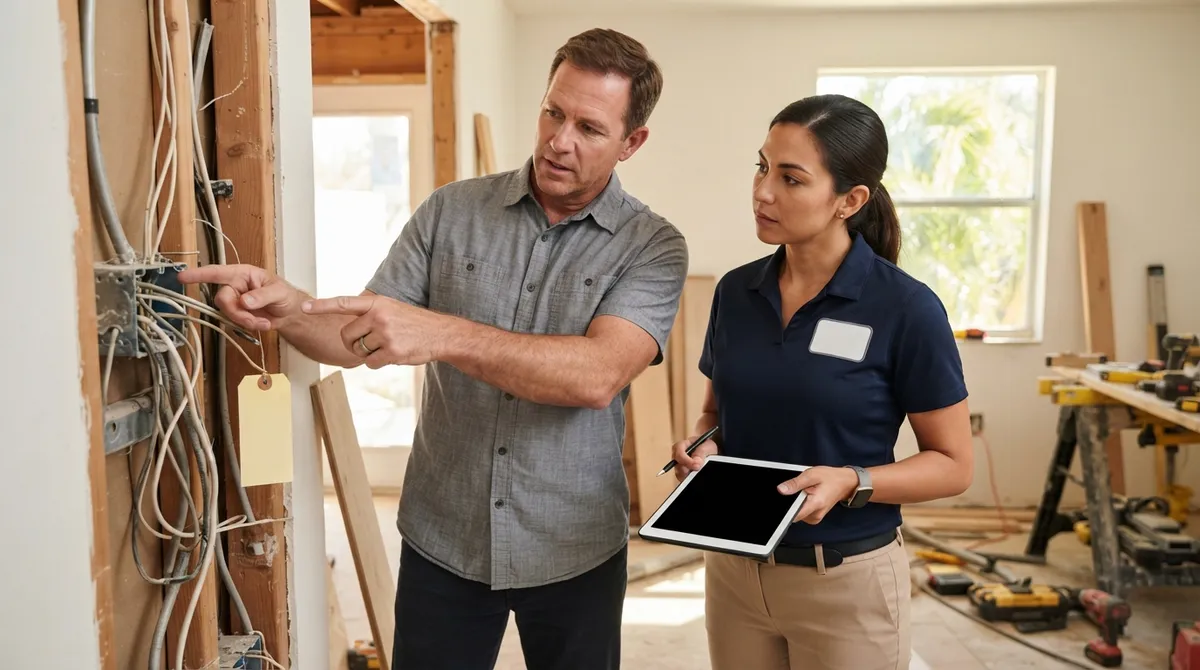
Step One for Either Path: Find the Exact Problem
Whether you plan to fix it or close around it, the first moves are identical. You need facts from the source.
- Identify the jurisdiction. The property may sit in a city or in unincorporated county territory, and that decides who controls the permit. Our building department lookup can help.
- Search the permit records. Look up the address, parcel ID, or permit number, then review the status, inspection history, and any outstanding requirements. Our open permit search is a friendly place to start.
- Check for linked code-enforcement cases. A permit problem sometimes travels with a violation case.
- Ask the title company what triggered the hold. Get it in writing if you can.
- Request written requirements from the agency. Ask exactly what's needed to close, void, or otherwise resolve each permit.
That last step matters more than most people expect. Forms, fees, inspection requirements, and processing times vary from one Florida jurisdiction to the next, so what worked for a neighbor in another county may not apply to you.
Path One: Fix It Before Closing
Clearing the hold before the closing date is the cleanest outcome. The buyer, lender, and title company get a clean record, and nobody inherits a headache. Here's how it typically works depending on the problem.
Open Permit With Incomplete Work
The usual route is to have the permit holder, or an appropriately licensed contractor, finish the permitted scope, submit the required documents, and pass the outstanding inspections, including the final when required. A passing final and closeout paperwork may be needed before the permit is closed or a certificate of occupancy is issued.
If the original contractor has disappeared, don't panic. Our guide on what to do when an open permit is found at closing walks through the options.
Expired Permit
An expired permit isn't automatically cleared just because the work looks finished. The local agency decides whether it can be closed, whether inspections or corrections are needed, or whether a new permit is required. Orange County, for example, publishes guidance saying expired permits must be replaced with new permits and the remaining inspections performed. That's a local example, not a statewide rule.
Florida Statutes section 553.79 does offer some relief. Under the 2025 statute, a local enforcement agency may close an expired permit without a new permit if it determines the requirements are substantially completed. The statute also allows an agency to close a permit six years after issuance without a final inspection if it determines there are no apparent safety hazards. These provisions don't guarantee automatic closure, and local review still applies. For more, read how to close an expired permit in Florida.
Unpermitted Work
If work was done without a permit, expect the local authority to require an after-the-fact permit, plans or other documentation, inspections, and any needed corrections. The exact process depends on the work and the jurisdiction. A seller can't simply transfer or close a permit without agency approval. Our after-the-fact and expired permit service exists for exactly this scenario, and our guide to legalizing unpermitted work in Florida explains the road ahead.
A Code-Enforcement Lien
A lien is a different animal. Florida Statutes chapter 162 provides for certain recorded enforcement liens. You'll need to confirm the lien amount, the payoff or compliance requirements, and the release process with the issuing local government and your title professionals. Closing out a permit record alone may not release a separate lien. If a violation is behind it, our code compliance violation help can guide you.
Path Two: Close As-Is With an Agreed Workaround
Sometimes the calendar is tighter than the building department. In that case, parties may agree to close while the issue remains open. A permit issue doesn't automatically make a Florida sale legally impossible, but a buyer, lender, insurer, title company, or the contract itself may require resolution first.
Common workarounds people discuss with their real estate attorneys include:
- An escrow holdback to fund the permit work after closing
- A price credit to the buyer
- A closing-date extension to allow time for inspections
- A written agreement assigning who completes and pays for the work
These arrangements require everyone's agreement and legal review. Lenders in particular can be strict, so don't assume a workaround will be accepted. Tell your closing agent promptly, get the agency's written requirements, and coordinate every change with the parties and their legal advisers.
Fix First vs. Close As-Is: Side-by-Side Comparison
| Factor | Fix Before Closing | Close As-Is With Workaround |
|---|---|---|
| Title and lender comfort | High. Clean records | Varies. Lender may refuse |
| Timeline pressure | Can be tight, depends on inspections | Closing date may hold |
| Upfront cost | Permit fees, drafting, corrections | Escrow or credit, work still owed |
| Risk after closing | Low | Buyer inherits unresolved obligations |
| Best for | Open permits, minor corrections | Deals with flexible parties and lenders |
| Legal review needed | Light | Heavy |
For most sellers, fixing first is the lower-stress route when time allows. Close-as-is can work, but it hands uncertainty to someone else, and that can sour a deal.
Which Type of Hold Needs Which Fix?
| Type of Issue | Typical Resolution | Who Usually Handles It |
|---|---|---|
| Open permit, work incomplete | Finish scope, pass final inspection, closeout documents | Permit holder or licensed contractor |
| Expired permit | Agency review: close, correct, or replace with new permit | Contractor, permit professional |
| Failed inspection | Correct deficiencies, schedule reinspection | Licensed contractor |
| Unpermitted work | After-the-fact permit, plans, inspections | Permit specialist, engineer, contractor |
| Code-enforcement lien | Compliance plus payoff and recorded release | Local government, title agent, attorney |
A Simple Action Plan You Can Start Today
- Get the specifics. Ask the title agent exactly what hold or finding exists.
- Pull the records. Review permit status, inspection history, and any linked violations.
- Call the building department. Request written steps to close, void, or resolve each item.
- Separate permits from liens. Confirm each one on its own, since resolving one doesn't resolve the other.
- Decide your path. Choose fix-first or a documented workaround with your agent and attorney.
- Line up the right people. That may include a licensed contractor, drafter, and engineer.
- Keep everyone informed. Update the buyer, lender, and closing agent as items clear.
How Long Does It Take?
This is the question everyone asks, and the honest answer is: it varies. Timelines depend on the jurisdiction, the type of issue, inspection availability, and whether plans or engineering are required. A simple missed final inspection can move quickly. An after-the-fact permit with drawings and corrections takes longer. Our overview of how long a building permit takes in Florida sets realistic expectations.
One tip: the earlier you start, the more options you keep. Every day lost to waiting is a day you can't spend on inspections or paperwork.
Why Many Parties Bring In Help
Permit holds hit real estate professionals, contractors, and homeowners in different ways, but the pain is the same: a deadline with someone else's paperwork standing in the way. Agents and investors need clean answers fast. Contractors want permits closed so crews can move on. Homeowners simply want to get to the closing table without surprises.
This is where a dedicated permitting team earns its keep. 1 Contractor Solutions acts as Florida's outsourced permitting department. We figure out which jurisdiction actually controls your property, prepare or review plans, file the application, track it, work reviewer comments, and carry the item through approval and closeout. Because our drafting and engineering are in house and our own engineer signs and seals the work, corrections don't stall waiting on an outside consultant. If a deal is on the line, our urgent permit rescue and realtor closing support services are built for exactly that pressure. Agents can also explore our page for realtors and title companies, and homeowners can see how we help on our homeowner page.
Curious how other clients feel about working with us? You can visit us on Google — 1 Contractor Solutions to read reviews, and you can follow us on LinkedIn or follow us on Facebook for Florida permitting tips.
For official background on how Florida defines permit closure, the state legislature publishes Florida Statutes section 553.79, which is a useful reference alongside your local building department's own guidance.
The Bottom Line
So, how do you clear a permit hold before closing in Florida? Identify the exact issue, get written requirements from the local agency, and choose between fixing it first or agreeing on a workaround. Fixing first is usually cleaner. Closing as-is can work, but only with everyone's agreement and legal guidance. Whichever way you go, remember that an open permit and a lien are different problems, and each needs its own resolution.
You don't have to untangle this alone. If a permit hold is threatening your closing date, get a free quote and let our team map out the fastest path to a clean closing.
FAQs
Can I close on a house in Florida with an open building permit?
Sometimes, yes, but it depends on your buyer, lender, insurer, title company, and contract. An open permit doesn't automatically make a sale impossible, though many parties want it resolved first. Tell your closing agent early and get the building department's written requirements.
Does an open permit create a lien on a Florida property?
Not automatically. An open permit and a code-enforcement lien are two separate things, and resolving one doesn't resolve the other. Confirm each with the issuing local government and your title or closing professionals.
Can a new owner resolve a permit opened by a previous owner or contractor?
Often yes, but it takes coordination with the local building department. Generally an appropriately licensed contractor completes the scope, submits documents, and passes inspections, or the agency decides how the record can be closed. Ask the department for its written steps, since each jurisdiction handles this a little differently.
What happens if work was done without a permit in Florida?
Expect the local authority to require an after-the-fact permit, plans or documentation, inspections, and any needed corrections. The exact process varies by the work involved and the jurisdiction. A seller can't simply transfer or close the permit without agency approval.
How long does it take to clear a permit hold before closing?
It really depends on the jurisdiction and the type of issue. A simple pending final inspection can move quickly, while unpermitted work needing drawings and corrections takes longer. Starting early gives you the most options.
We do this work every day across all 67 Florida counties. Call (866) 314-6931 and we will tell you what your situation actually requires — including when you do not need us.
Related services
Permit Facilitation & Filing
You have a crew scheduled, a client asking for dates, and a permit sitting somewhere in a queue you cannot see. We file it, w…
See the servicePlan Review Coordination
A permit in plan review is not one queue. On a commercial project it can be six queues, each with its own reviewer, its own c…
See the serviceReady to get your permit moving?
One call tells you which jurisdiction controls your project, what it will take, and what it will cost. Most of the time we can scope it on the phone.