
Blog
7 Roofing Permit Mistakes Broward Contractors Regret
Discover the 7 permit facilitation mistakes Broward County roofing companies must avoid to keep jobs moving fast.
Key Takeaways
-
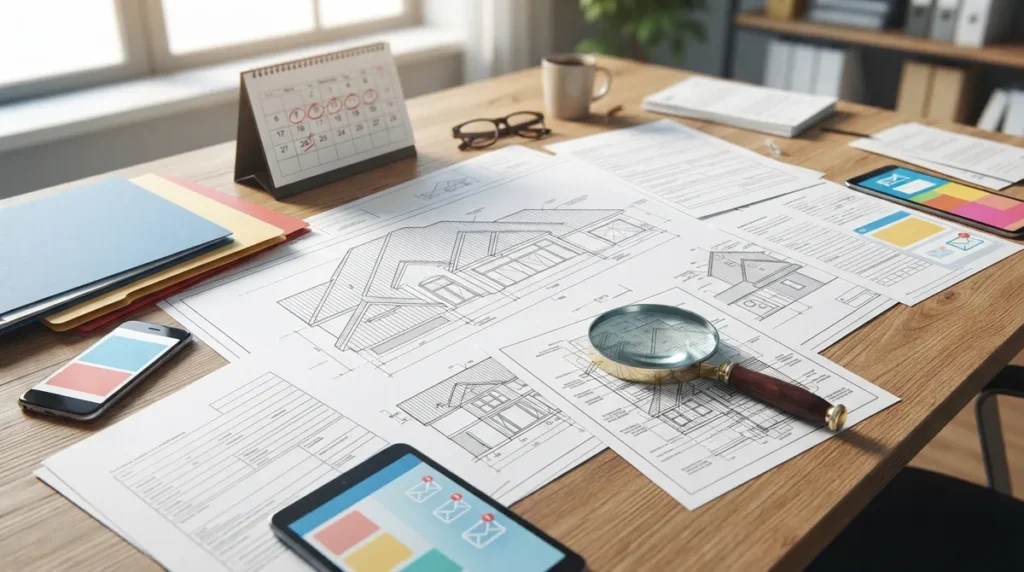
Verify jurisdiction before submitting any permits, as Broward County has dozens of separate building departments (county plus 10+ cities), and submitting to the wrong portal wastes days and requires resubmission.
-
Submit complete roofing packages on the first attempt including application, scope of work, license info, product approvals, plans, and jurisdiction-specific affidavits like hurricane mitigation or asbestos statements to avoid rejections.
-
Match Florida Product Approval numbers precisely to installation limitations and roof assemblies rather than uploading generic manufacturer literature, as mismatches trigger correction cycles adding a week or more.
-
Monitor permit portals daily for correction notices and respond immediately with accurate revisions, as unanswered requests can stall timelines for weeks while crews and homeowners wait.
-
Budget for multiple fee components including initial plan-review fees (required for jobs over $10,000), building-code surcharges (typically 1.5% of permit fees), and Notice of Commencement recording fees to avoid payment surprises.
-
Never start roofing work until the permit is fully issued and posted on-site, as premature starts risk stop-work orders, failed inspections, and insurance claim complications regardless of schedule pressure.
If you run a roofing company in Broward County, you already know the drill: a crew is ready, materials are staged, and the homeowner is calling every day asking when the tear-off starts. Then the permit stalls. Maybe it went to the wrong jurisdiction, maybe a product approval didn't match the assembly, or maybe a correction notice sat unanswered for two weeks. We've seen it happen more times than we can count, and honestly, it's almost never the roofer's fault. Broward is a patchwork of cities and unincorporated areas, each with its own checklist, its own portal quirks, and its own building officials with their own preferences.
The good news? Finding the best permit facilitation for roofing companies in Broward County isn't about luck. It's about knowing exactly which mistakes tend to blow up timelines, and choosing a partner who has already learned those lessons the hard way. We're going to walk through the seven biggest missteps we see roofing companies make, and how a jurisdiction-savvy facilitator helps you avoid every one of them.
Why Broward County Roofing Permits Are Trickier Than They Look
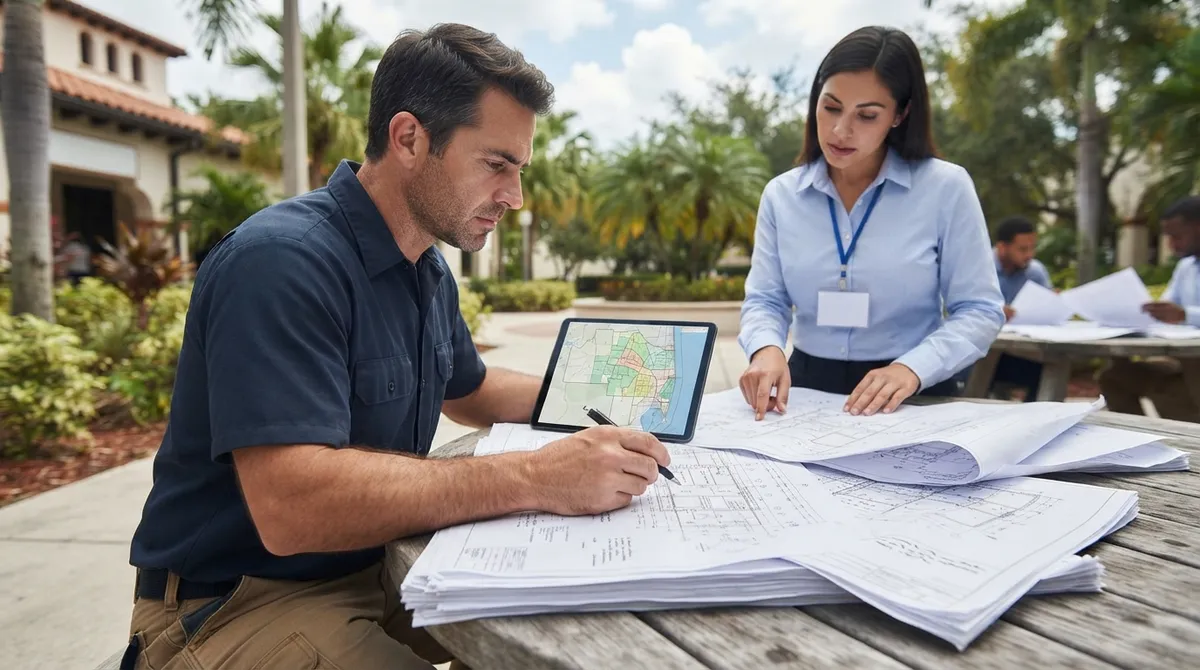
Broward isn't one building department, it's dozens. Unincorporated areas fall under Broward County's Building Code Division, while cities like Fort Lauderdale, Hollywood, Pembroke Pines, Miramar, Plantation, Davie, Weston, Pompano Beach, Coral Springs, and Sunrise each run their own permitting operations. That means the checklist you used for a job in Davie last month might be completely wrong for a house two miles away in Weston.
Most participating jurisdictions rely on ePermits OneStop for online submissions, plan review, payments, and status tracking. It's a genuinely useful tool, but it only works well if you're submitting to the correct jurisdiction with the correct package the first time. That's where things go sideways for busy roofing crews who are more focused on tear-offs and dry-in schedules than municipal boundary lines.
Mistake 1: Guessing the Jurisdiction Instead of Verifying It
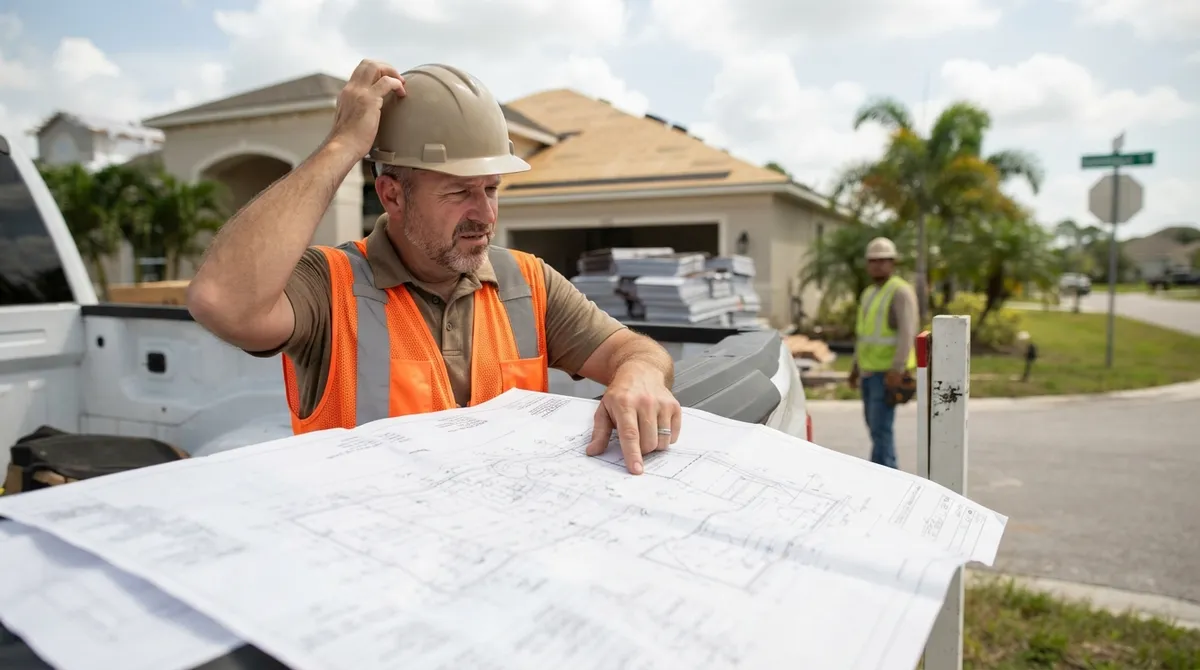
This is the single most common error we encounter. A roofer assumes a property is in unincorporated Broward, submits through the county portal, and finds out three days later that the address actually falls inside city limits. Now you're starting over.
The fix is simple in theory: verify jurisdiction before you touch a single form. Our building department lookup tool exists precisely for this reason, and it's one of the first things our team checks on every roofing job across Broward County, including addresses near Fort Lauderdale city lines where boundaries get genuinely confusing.
Mistake 2: Submitting an Incomplete Roofing Package
A complete Broward roofing permit package generally includes the uniform building permit application, scope of work, contractor license and qualifier information, product approvals, plans or manufacturer specifications, property information, and any required affidavits. Miss one piece, and you're not getting a friendly reminder call. You're getting a rejection.
Fort Lauderdale's official roof permit checklist is a good example of how specific these requirements get. For applicable re-roof projects, it identifies:
- An asbestos-related responsibility statement
- A rooftop equipment affidavit, where relevant
- Additional documentation for lightweight concrete roof systems
- A hurricane mitigation affidavit and valuation documentation for single-family re-roofs where the assessed building value is $300,000 or more
- A Notice of Commencement for work valued at $5,000 or more
Requirements shift by municipality, so what applies in Fort Lauderdale may not apply the same way in Pompano Beach or Coral Springs. This is exactly why generic, one-size-fits-all permit checklists cause so much trouble.
Mistake 3: Mismatching Product Approvals to the Actual Assembly
Florida roofing work has to comply with the Florida Building Code, 8th Edition (2023), which governs roof coverings, underlayment, fastening patterns, flashing details, and installation limitations. Depending on the product and the project location, you may need Florida Product Approval documentation or a Miami-Dade Notice of Acceptance.
Here's where roofers get tripped up: uploading generic manufacturer literature instead of matching the specific approval number to the specific installation limitations of that assembly. Reviewers catch this quickly, and it triggers a correction cycle that can add a week or more to your timeline. Understanding the difference matters enough that we've written a dedicated breakdown on Miami-Dade NOA vs Florida Product Approval if you want to dig into the nuances further.
Mistake 4: Ignoring Fee Structures and Surcharges
Roofing companies sometimes budget for the permit fee and nothing else, then get surprised by additional line items. Broward's ePermit guidance notes that an initial plan-review fee must be paid before review begins for job values of $10,000 or more. On top of that, Florida applies a building-code surcharge, commonly calculated at 1.5% of applicable permit fees with a $2 minimum, though this should always be verified with the issuing jurisdiction.
| Fee Component | Typical Trigger | Notes |
|---|---|---|
| Initial plan-review fee | Job value of $10,000+ | Must be paid before review begins in Broward's ePermit system |
| Building-code surcharge | Applies to most permits | Often 1.5% of applicable fees, $2 minimum |
| Notice of Commencement | $5,000+ in Fort Lauderdale | Threshold and recording process vary by jurisdiction |
| Residential re-roof permit fee | Varies by municipality | Third-party estimates suggest roughly $200–$500, but confirm locally |
Mistake 5: Letting Corrections Sit Unanswered
A correction notice isn't a rejection, it's a request. But if nobody is watching the portal daily, that request can sit for weeks while the crew waits and the homeowner grows impatient. Fast, accurate correction responses are one of the biggest differentiators between an average facilitator and a genuinely good one.
This is also where in-house engineering pays off. When our own licensed engineer sealed the original documents, we can revise and resubmit without waiting on an outside consultant to return a call. That single difference often shaves days off a correction cycle.
Mistake 6: Starting Work Before the Permit Is Actually Issued
We understand the pressure. Crews are scheduled, weather windows are tight, and every day of delay costs money. But starting a tear-off before the permit card is issued and properly posted is a serious risk. Roofing work should not begin until the permit is issued and the required documentation is posted or maintained as required by the local building department.
If work starts under an incomplete or expired permit, you're not just risking a stop-work order. You're risking failed inspections down the line and potential issues with the homeowner's insurance claim, an area we've covered in detail in our piece on expired permits and insurance claims in Florida.
Mistake 7: Overlooking Inspection Requirements
Inspection requirements vary by jurisdiction and roof system, but residential re-roofs commonly need an inspection after underlayment or dry-in work, plus a final inspection once installation wraps up. The licensed contractor remains responsible for scheduling those inspections and keeping the site accessible, but a good facilitator keeps the whole schedule visible so nothing gets missed.
What a Strong Permit Facilitation Process Looks Like
Here's a simplified sequence of what should happen behind the scenes on every Broward roofing permit:
- Verify the exact jurisdiction, county or specific city, before preparing anything
- Assemble the complete package: application, scope of work, license and qualifier info, product approvals, and required affidavits
- Match product approvals precisely to the proposed roofing assembly
- Submit electronically through the correct ePermits portal
- Track fees, including plan-review fees and surcharges, and confirm payment before review stalls
- Monitor for correction notices and respond quickly with accurate revisions
- Coordinate inspection scheduling through final approval and closeout
What to Look For When Hiring a Broward Roofing Permit Expediter
Not every facilitator operates the same way, and the differences matter more than people expect. Here's what separates a dependable partner from one that adds friction:
- Transparent, written pricing with no vague line items
- A clear scope of services so you know exactly what's included
- Real-time permit-status updates instead of radio silence
- In-house drafting or engineering so corrections don't stall on outside consultants
- Familiarity with Broward's specific municipal checklists, not just generic Florida requirements
- Secure handling of contractor licensing and property documents
Commercial, multifamily, and complex re-roof projects typically need more, including engineered drawings, additional plan reviews, and sometimes separate trade permits. If your roofing company handles both residential and commercial work, ask any potential facilitator how they scale their process for bigger jobs.
How 1 Contractor Solutions Supports Broward Roofing Companies
We built our process around the exact pain points roofers deal with every day. Our in-house drafting and engineering team means sealed drawings and revisions happen without outside delays, and because we're a licensed private provider, we can even handle your private provider plan review ourselves instead of leaving you stuck in a county queue.
Beyond individual jobs, we run a dedicated Roof Permit Partnership Program built specifically for roofing companies that need consistent, repeatable permit turnaround across multiple jurisdictions. Whether you're pulling permits in Fort Lauderdale one week and unincorporated Broward the next, our team already knows the local checklist. We also support roofing contractors statewide, and if a project runs into trouble, our urgent permit rescue service exists to get stalled jobs moving again fast.
Want to see how other contractors feel about working with us? Take a look at what our clients say, or visit us on Google — 1 Contractor Solutions to read real reviews from roofing companies across Florida. You can also follow us on Facebook or follow us on LinkedIn for regular updates on Florida permitting changes that affect roofing crews.
A Quick Comparison: DIY Filing vs. Professional Facilitation
| Factor | Filing It Yourself | Working With a Facilitator |
|---|---|---|
| Jurisdiction verification | Manual research, easy to get wrong near city lines | Confirmed upfront using dedicated tools |
| Product approval matching | Time-consuming, error-prone | Handled by professionals familiar with NOAs and product approvals |
| Correction response time | Depends on staff availability | Managed daily, often same-day turnaround |
| Engineering revisions | Requires outside consultant coordination | In-house sealed drawings speed up fixes |
| Inspection scheduling | Manual tracking across jobs | Coordinated as part of the overall workflow |
Final Thoughts on Getting Broward Roofing Permits Right
Broward County rewards roofing companies who know its rules and punishes those who guess. The seven mistakes above, wrong jurisdiction, incomplete packages, mismatched product approvals, fee surprises, ignored corrections, premature work starts, and overlooked inspections, account for the vast majority of permit delays we see. None of them are unfixable, and all of them are avoidable with the right process in place.
If your roofing company is ready to stop losing schedule days to permit confusion, our team is ready to help. Get a free quote today and let's talk about how we can keep your Broward County roofing permits moving from submission straight through to final approval.
FAQs
Do roofing companies need a permit for a roof replacement in Broward County?
Yes, almost every roof replacement in Broward County requires a permit before work begins, and the specific jurisdiction, county or city, determines exactly what documentation is needed. It's always worth double-checking, because starting without one can lead to stop-work orders and headaches you really don't want.
Which Broward County cities require separate roofing permit applications?
Cities like Fort Lauderdale, Hollywood, Pembroke Pines, Miramar, Plantation, Davie, Weston, Pompano Beach, Coral Springs, and Sunrise each run their own permitting systems, separate from unincorporated Broward County. That's why verifying jurisdiction first is such an important first step, and honestly, it saves everyone a lot of frustration.
How much does a Broward County roofing permit cost?
Costs vary quite a bit by municipality, project valuation, and scope, but third-party estimates commonly place residential re-roof permit fees somewhere around $200 to $500. Add in plan-review fees for jobs over $10,000 and the standard building-code surcharge, and it's smart to get a specific quote for your exact project.
Can a permit facilitator submit a roofing permit on behalf of a contractor?
A facilitator can absolutely handle preparation, submission, tracking, and correction management, but the licensed roofing contractor still holds ultimate responsibility for the work itself. Think of it as a true partnership: we handle the administrative heavy lifting so you can focus on the actual roof.
What happens if a roofing company starts work without a permit?
Starting work before a permit is issued can lead to stop-work orders, fines, failed inspections, and complications with insurance claims down the road. It's a risk that's just not worth taking, especially when a good facilitator can help you avoid the wait in the first place.
We do this work every day across all 67 Florida counties. Call (866) 314-6931 and we will tell you what your situation actually requires — including when you do not need us.
Related services
Permit Facilitation & Filing
You have a crew scheduled, a client asking for dates, and a permit sitting somewhere in a queue you cannot see. We file it, w…
See the servicePlan Review Coordination
A permit in plan review is not one queue. On a commercial project it can be six queues, each with its own reviewer, its own c…
See the serviceReady to get your permit moving?
One call tells you which jurisdiction controls your project, what it will take, and what it will cost. Most of the time we can scope it on the phone.