
Blog
15 Pros Who Qualify Jobs for After-the-Fact Engineering FL
Learn exactly who can qualify a job for after-the-fact engineering in Florida — from licensed PEs to building departments and beyond.
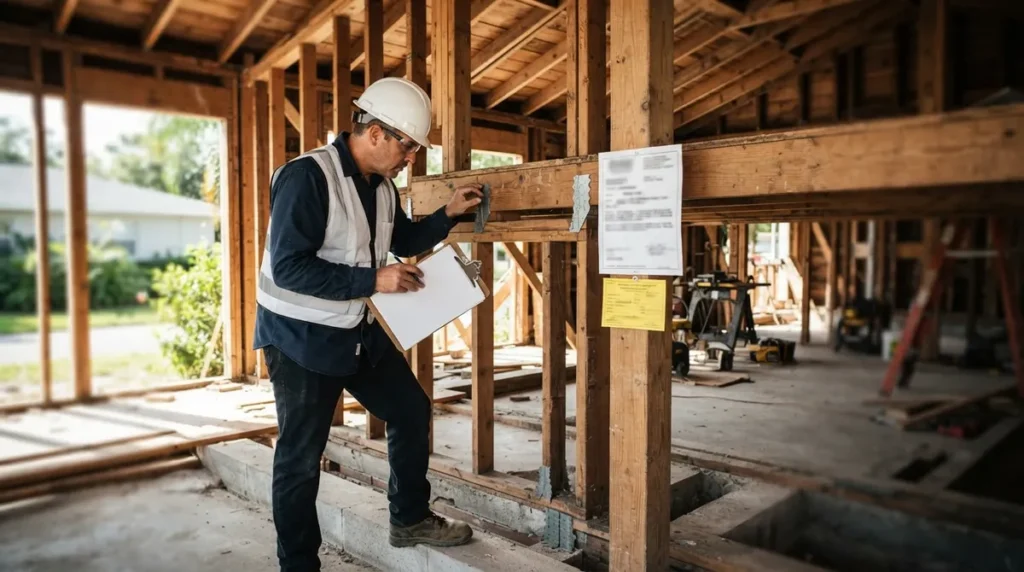
Key Takeaways
-
A Florida-licensed Professional Engineer (PE) with relevant competence is the primary professional required to evaluate and seal after-the-fact engineering documents for structural work like framing, foundations, and load paths.
-
Each Florida county's building department sets its own ATF requirements, fees, and processes—there is no statewide standard, so always contact your local Authority Having Jurisdiction (AHJ) first before hiring any professional.
-
The building department retains final approval authority and can require corrective construction, additional testing, or re-inspection even after sealed engineering documents are submitted.
-
Architects can seal architectural-scope documents (layout, egress, finishes), and MEP engineers handle mechanical, electrical, and plumbing work, but structural PE involvement is critical for load-bearing elements.
-
ATF projects typically take 2-6 months and cost 2-3 times a standard permit fee; engineers must personally inspect concealed work and may require wall or ceiling exposure to responsibly certify existing conditions.
-
Flood-zone properties face additional FEMA substantial-improvement scrutiny, making early coordination with the building department essential for coastal and flood-prone areas.
So you've got unpermitted work sitting on your property, and now you're wondering who exactly is allowed to step in and make it right. Maybe it's a lanai your uncle enclosed twenty years ago, or a load-bearing wall someone removed without pulling a permit. Whatever the story, you're not alone, and you're definitely not the first person to ask this question. Florida homeowners, contractors, and real estate pros run into this all the time, and the good news is there's a clear (if sometimes county-specific) path forward.
Understanding who can qualify a job for after-the-fact engineering in Florida is the first step toward turning a stressful situation into a solved one. This guide walks through exactly which professionals are legally allowed to evaluate and seal that work, what each one can and cannot do, and how the process actually plays out once you pick up the phone. Grab a coffee, and let's get you pointed in the right direction.
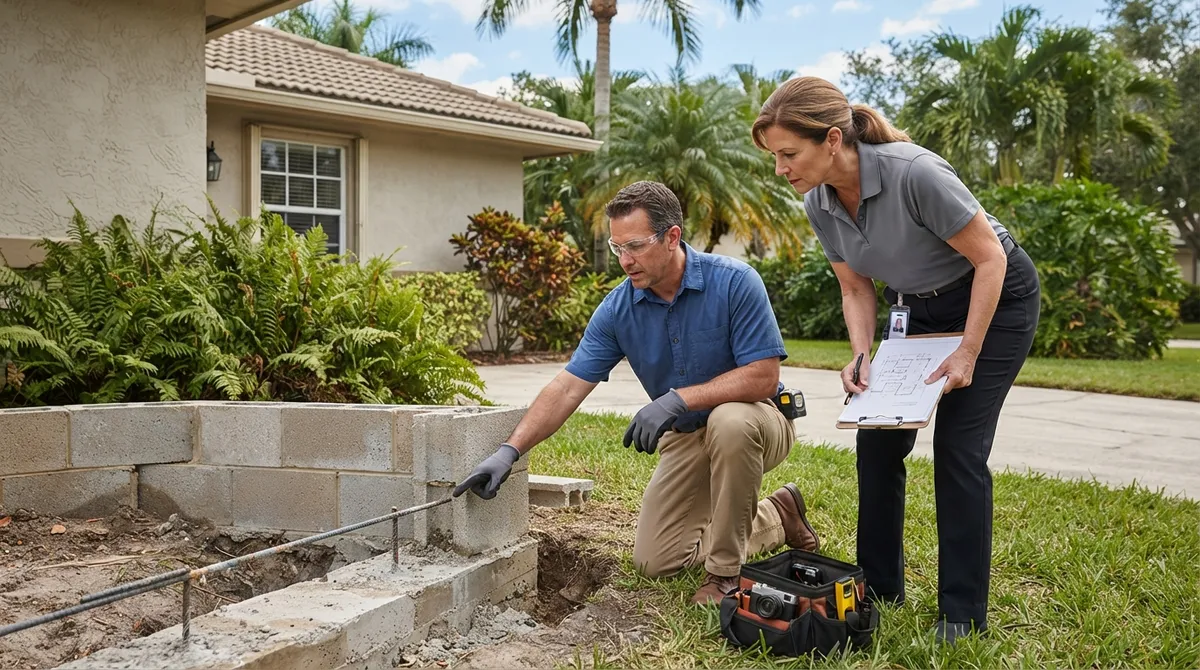
What Does "After-the-Fact Engineering" Actually Mean?
An after-the-fact (ATF) permit is simply a permit application filed for construction that already happened without the required approval. Florida doesn't have one single statewide process for this — each local building department, or authority having jurisdiction (AHJ), decides on required forms, inspections, fees, and correction steps. That's why the same enclosed patio might sail through review in one county and require exposed framing photos in another.
Because every jurisdiction handles things a little differently, it helps enormously to work with a team that already knows the players. If you're not sure which office actually has authority over your address, our building department lookup tool is a great place to start before you make any calls.
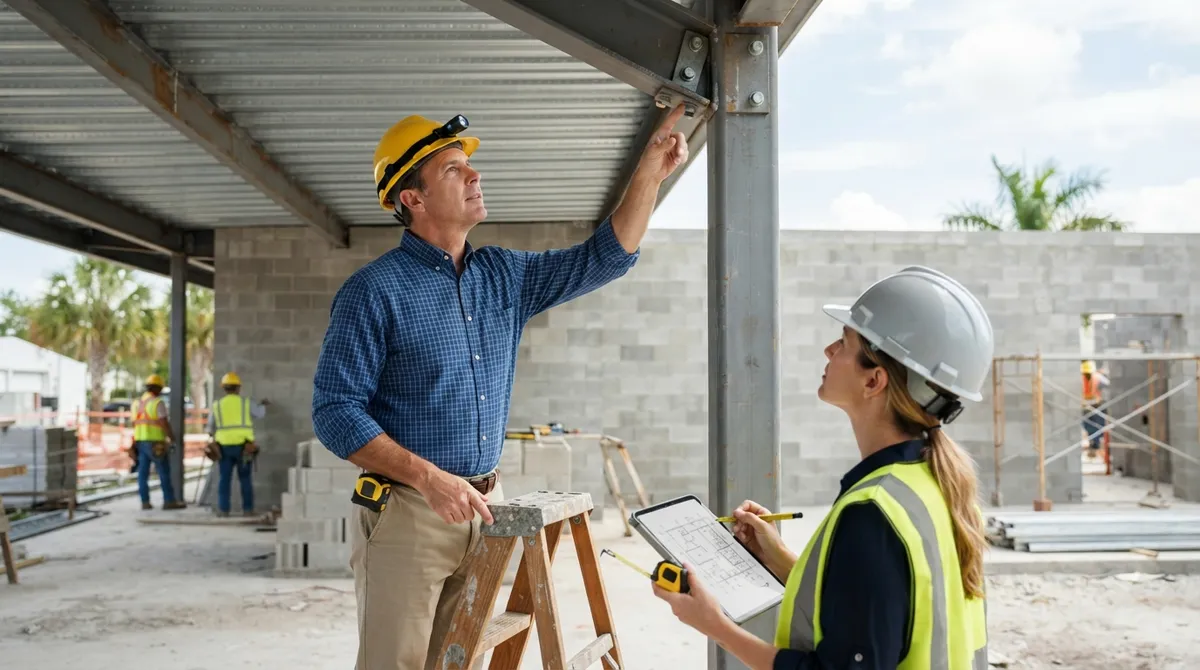
15 Professionals and Situations That Qualify a Job for ATF Engineering
Here's the full rundown of who can step in, in what capacity, and when each one is actually the right call.
1. A Florida-Licensed Professional Engineer (PE)
This is the big one. For structural work — framing, foundations, load paths, additions, retaining walls — a Florida-licensed PE is generally the professional qualified to evaluate existing construction and prepare the engineering documents needed for legalization. The engineer has to personally inspect or evaluate the work; they can't just take someone's word for it and slap a seal on it.
2. A PE With Structural Competence Specifically
Not every PE handles every discipline. Florida rules expect the engineer to have competence in the relevant area of work, so a structural PE is the right fit for framing and load-bearing questions, while other disciplines apply for MEP-related concerns. Our structural engineering team gets asked about this distinction constantly, and matching the right specialty to the job is half the battle.
3. A Florida-Licensed Architect (Within Scope)
Architects licensed under Chapter 481 can prepare and seal documents for architectural elements of a project. Depending on the building department, an architect might handle layout, egress, and finishes while a PE handles the structural side. Some jurisdictions want both professionals involved on larger legalization packages.
4. A Licensed Contractor (Very Limited Cases)
Under Florida Statutes section 489.115(4)(b), certain contractors have narrow authority to seal plans for wind-resistance compliance on qualifying one- and two-family dwellings. This is a specific, limited exception — it does not make a contractor a substitute for a PE on general structural, commercial, or complex engineering work.
5. The Local Building Department (Final Decision-Maker)
No matter who prepares the documents, the AHJ decides whether the sealed drawings, calculations, and certifications are sufficient. The building official can require additional testing, exposure of concealed work, or corrective construction before signing off.
6. An MEP Engineer for Mechanical, Electrical, or Plumbing Work
If the unpermitted work involves electrical panels, HVAC systems, or plumbing reroutes, an MEP engineer typically needs to evaluate and document that scope. Solar installers run into this often when documenting unpermitted panel additions. Our MEP engineering group handles this exact scenario regularly.
7. A Licensed Surveyor (When Site Conditions Are in Question)
Some ATF packages require confirmation of setbacks, elevations, or lot coverage. A surveyor doesn't seal engineering documents, but their data often feeds directly into the engineer's evaluation, especially for additions near property lines.
8. A Private Provider for Plan Review
Once the engineering package is ready, a licensed private provider can sometimes perform the plan review instead of leaving your file sitting in a county queue. This can shave real time off a process that already tends to run two to six months when engineering, corrections, and inspections are all in play.
9. The Property Owner (Initiating the Process)
Technically, the owner is the one who requests the ATF review, even though they're not the one sealing documents. Owners should always contact the local building department first, since some jurisdictions require special affidavits or code-enforcement paperwork before an engineer even gets involved.
10. A General Contractor Coordinating the Project
While a GC generally can't seal engineering documents, they often manage the overall legalization process — hiring the PE, scheduling exposure of concealed work, and coordinating corrective construction. If you're a contractor juggling multiple ATF files across counties, resources built for general contractors can keep everything tracked in one place.
11. A Solar Contractor's Engineering Partner
Solar companies frequently discover unpermitted racking or structural attachments on existing roofs. In these cases, a structural PE evaluates the roof's capacity to support the system, which is a critical step before any ATF solar permit can move forward. Learn more through resources built for solar contractors.
12. A Realtor's Engineering Contact During Due Diligence
Real estate professionals often uncover unpermitted additions during a title search or inspection. While the realtor isn't qualifying the job themselves, connecting a buyer or seller with the right engineer quickly can save a closing. Our realtor closing support service exists specifically for this crossroads.
13. An Engineer Preparing As-Built Drawings
Field measurements, photographs, and material verification all feed into as-built drawings, which document the existing condition of a structure as it currently stands. This is often the first deliverable in an ATF package, before calculations even begin.
14. An Engineer Issuing a Letter of Certification
Sometimes a full drawing set isn't required — an engineer letter certifying specific conditions may satisfy the building department, depending on the scope. This is common for smaller ATF items like a deck or a minor structural modification.
15. A Coordinating Permit Team Managing the Whole File
Because ATF projects touch multiple professionals, documents, and jurisdictions, many owners and contractors bring in a permitting coordinator to manage the whole file from start to finish. This is exactly the role 1 Contractor Solutions plays for clients across the state, and you can get a free quote to see how that coordination could work for your project.
Comparing Who Can Seal What
| Professional | Typical Scope | Can Seal Structural Documents? |
|---|---|---|
| Florida-Licensed PE | Structural, foundations, load paths, MEP disciplines | Yes, within their competence |
| Florida-Licensed Architect | Architectural design, layout, egress | Only architectural scope, not structural |
| Licensed Contractor | Wind-resistance plans, 1-2 family dwellings only | Limited, per FS 489.115(4)(b) |
| Surveyor | Site conditions, elevations, setbacks | No |
| Private Provider | Plan review coordination | No, reviews rather than seals |
What Documents Usually Go Into an ATF Package
Every jurisdiction has its own checklist, but most legalization packages draw from a similar toolkit:
- Site plans showing the structure's location relative to property lines
- Floor plans and structural framing plans based on field measurements
- Engineering calculations supporting the as-built condition
- Product approvals for windows, doors, or roofing materials
- Photographs documenting existing conditions, including any exposed framing
- A signed and sealed engineer letter or certification package
Because Florida Statutes section 471.025 requires final engineering documents to be signed, dated, and sealed by the responsible PE, none of this paperwork is optional window dressing — it's the legal backbone of the whole approval.
Step-by-Step: How the Qualification Process Usually Works
- Contact the local building department to confirm ATF requirements and fees for your specific jurisdiction.
- Hire a Florida-licensed PE (or architect, if the scope is purely architectural) with competence in the relevant discipline.
- Allow the engineer to inspect the property, which may include exposing concealed work like drywall or slab sections.
- Receive the sealed as-built drawings, calculations, and any required certifications.
- Submit the package to the AHJ, either directly or through a plan review coordination service.
- Respond to any reviewer comments, corrections, or requests for additional testing.
- Schedule final inspections and close out the permit once approved.
Why the Building Department Still Has the Final Say
Even with a fully sealed engineering package in hand, approval isn't automatic. The building official can require corrective construction, additional testing, or even removal and reconstruction if the work doesn't meet the applicable Florida Building Code. This is especially true in flood zones, where FEMA's substantial-improvement rules can add another layer of scrutiny to an already complex file. If your property sits along the coast in places like Pinellas County or Manatee County, expect flood-zone documentation to come up early in the conversation.
Fees, Timelines, and What to Expect
| Factor | Typical Range | Notes |
|---|---|---|
| ATF Permit Fee | 2-3x standard permit fee | Varies by jurisdiction; not a statewide rule |
| Engineering Evaluation | 1-3 weeks | Depends on access to concealed work |
| Full ATF Timeline | 2-6 months | Includes review, corrections, inspections |
If your project is stuck and you're feeling the clock pressure, our urgent permit rescue team specializes in situations where a stop-work order or closing deadline is already looming.
A Quick Word for Different Types of Readers
If you're a general contractor juggling several ATF files at once, tracking each jurisdiction's quirks can eat up hours you don't have — that's exactly why coordination services exist. Solar companies dealing with retroactive racking permits should loop in a structural PE before ever touching the roof again. Realtors and investors evaluating a property with open permits should treat an engineer's evaluation as a non-negotiable part of due diligence, not an afterthought. And homeowners? Please don't try to DIY the engineering side. Your safety, and your resale value, both depend on getting this part right.
Curious what other Florida property owners have experienced working through similar legalization projects? You can visit us on Google — 1 Contractor Solutions to see real feedback, or check out our reviews page for more detail.
How to Verify a Professional's License
Before hiring anyone to qualify your job for after-the-fact engineering, it's worth double-checking their credentials. Florida's Department of Business and Professional Regulation maintains a public license lookup, and the Florida Senate's statutes page lays out exactly what Chapter 471 requires of licensed engineers. It only takes a couple of minutes, and it's a small step that protects you from a much bigger headache down the road.
Bringing It All Together
Qualifying a job for after-the-fact engineering in Florida almost always comes down to one central figure: a Florida-licensed PE with the right competence for your specific scope, sometimes joined by an architect, surveyor, or private provider depending on the project. The building department always has final authority, and no engineer can wave a magic wand over work that genuinely doesn't meet code. But with the right professional in your corner, most unpermitted projects can absolutely be brought back into compliance.
We've walked hundreds of Florida homeowners, contractors, and real estate professionals through exactly this process, from the first phone call to the final inspection. Whether you're dealing with a single unpermitted addition or a portfolio of properties, our team responds fast and handles the engineering, drafting, and filing in house so nothing gets lost between departments. You can also follow us on LinkedIn or follow us on Facebook for ongoing updates on Florida permitting changes that could affect your next project.
Ready to get your unpermitted work qualified and moving toward approval? Get a free quote today, and let's turn that permitting headache into a checked box on your to-do list.
FAQs
Who is legally allowed to prepare and seal after-the-fact permit drawings in Florida?
In most cases, it's a Florida-licensed Professional Engineer with competence in the relevant discipline, especially for structural work. Architects can handle architectural scope, and in very limited cases a contractor can seal wind-resistance plans for qualifying homes — but a PE is your go-to for the heavy lifting.
Does an after-the-fact permit in Florida always require a licensed structural engineer?
Not always, but for anything touching framing, foundations, or load paths, yes, you'll want a structural PE involved. Smaller items like a simple deck repair might only need an engineer letter rather than a full structural package, so it really depends on the scope of the original unpermitted work.
Can a Florida contractor legalize unpermitted work without hiring an engineer?
Only in a narrow situation involving wind-resistance plans for qualifying one- and two-family dwellings, and even then it's a limited authority under Florida law. For general structural, commercial, or complex work, you'll still need a licensed PE to evaluate and seal the documents.
Will an engineer have to inspect or expose walls, ceilings, or foundations for an ATF permit?
It's pretty common, honestly. Engineers often need to see concealed framing, connections, or foundation details firsthand to responsibly certify the work, so don't be surprised if a little demolition or exposure is part of the process.
How do flood-zone rules affect an after-the-fact permit in Florida?
If your property sits in a flood zone, FEMA's substantial-improvement rules can add extra review steps, especially for additions or renovations that increase the structure's value significantly. It's smart to flag this early with your building department so there are no surprises mid-process.
We do this work every day across all 67 Florida counties. Call (866) 314-6931 and we will tell you what your situation actually requires — including when you do not need us.
Related services
Permit Facilitation & Filing
You have a crew scheduled, a client asking for dates, and a permit sitting somewhere in a queue you cannot see. We file it, w…
See the servicePlan Review Coordination
A permit in plan review is not one queue. On a commercial project it can be six queues, each with its own reviewer, its own c…
See the serviceReady to get your permit moving?
One call tells you which jurisdiction controls your project, what it will take, and what it will cost. Most of the time we can scope it on the phone.