
Blog
15 Factors That Decide How Long After-the-Fact Permits Take
How long does after-the-fact permitting take in Florida? Learn the 15 factors that speed up or slow down approval, plus 2026 timelines and tips.
Key Takeaways
-
Florida has no statewide deadline for after-the-fact permits; timelines range from a few weeks for clean cases to several months for complex projects with concealed work or code violations.
-
The review clock only starts after your application is complete and sufficient; missing documents or incomplete submissions will pause the process and extend your timeline significantly.
-
Concealed work requiring inspection access, structural engineering letters, and product approvals are the most common delay factors that can add weeks or months to your permit approval.
-
Corrective work discovered during review is the biggest swing factor; projects requiring code fixes like missing hurricane straps or structural corrections often take three times longer than initially expected.
-
Hiring a licensed engineer upfront and submitting a complete application with as-built drawings, product approvals, and contractor information can shorten timelines by weeks compared to incomplete submissions.
-
Active code-enforcement cases run on a separate schedule from permit review, potentially triggering fines while you work; resolving unpermitted work before listing a property is smoother than handling it mid-sale.
So you've discovered work on your property that never got a permit. Maybe a prior owner finished a patio enclosure without paperwork. Maybe a crew skipped the permit on a re-roof. Maybe a lender or buyer just flagged it. First, take a breath. This happens to Florida property owners and contractors every single day, and it is fixable.
The question almost everyone asks next is: how long does after-the-fact permitting take in Florida? The honest answer is that there is no single statewide number. A clean, well-documented case may clear local review in a few weeks. A messy one, with concealed work, engineering gaps, or a code-enforcement case attached, can run for months.
The good news is that most of the delay comes from a handful of predictable factors. Know them, and you can control a lot of the calendar. Below are 15 factors that decide how long your after-the-fact (ATF) permit takes, plus real timeline benchmarks and ways to move faster in 2026.
The Short Answer: What Timeline Should You Expect?
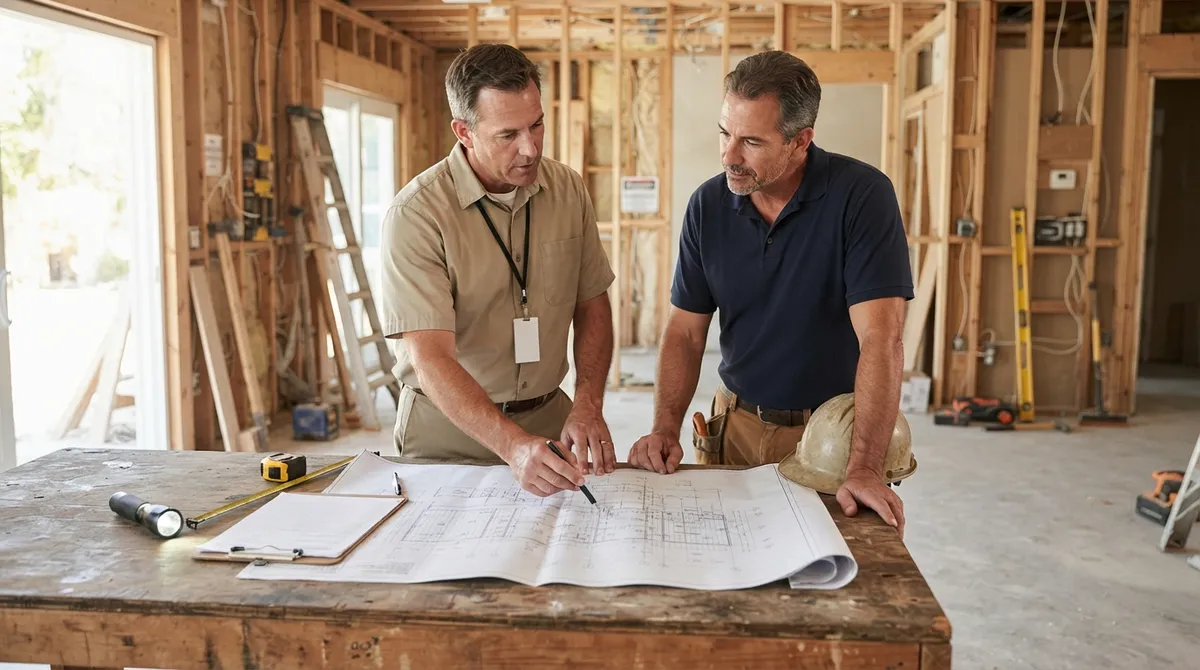
Florida does not publish a fixed deadline specifically for after-the-fact permits. Instead, your project follows the same review rules as other building permits, plus extra steps to verify work that is already in place.
Under Florida Statutes §553.792, local governments generally must approve, approve with conditions, or deny a complete and sufficient application within 30 business days for many residential and trade permits on structures under 7,500 square feet. Specified larger or other project categories get 60 business days. Local ordinances can set shorter deadlines.
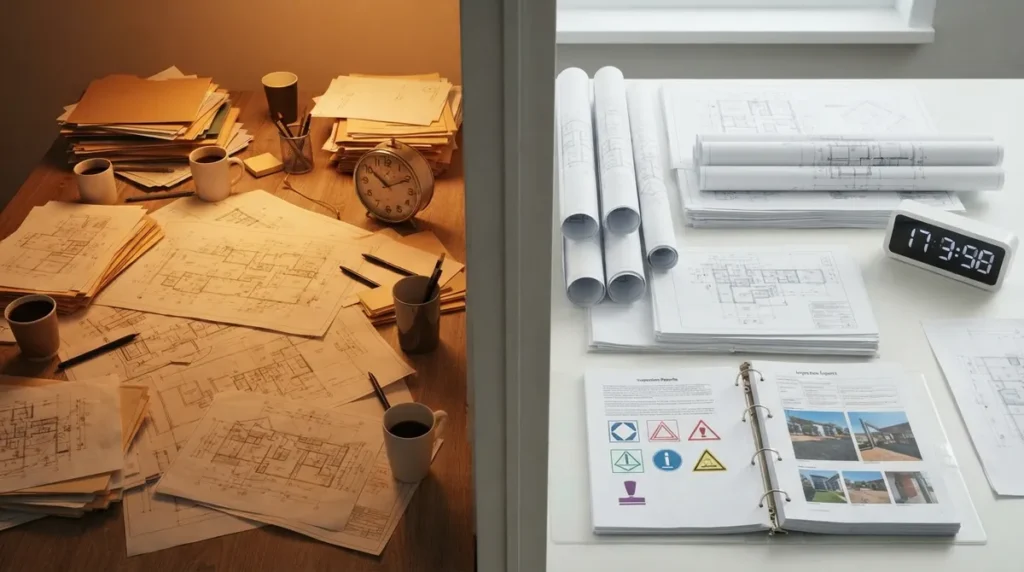
Here is the catch. That clock starts only after your application is complete. It also covers review, not the full journey of exposing work, getting engineering, passing inspections, and closing out the permit.
| Phase | Typical Range | What Drives It |
|---|---|---|
| Document gathering and as-built drawings | 1 to 3 weeks | Site visit, measurements, photos |
| Engineering letter or sealed plans | 1 to 2 weeks | Complexity of structural or MEP work |
| Local plan review | Days to 30+ business days | Jurisdiction, project type, completeness |
| Corrections and resubmittals | 1 to 3 weeks per round | Reviewer comments |
| Inspections and final | 1 to 4+ weeks | Corrective work, scheduling |
These ranges are planning estimates, not guarantees. Your jurisdiction and scope will move them in either direction.
15 Factors That Decide How Long After-the-Fact Permitting Takes
1. Which Building Department Reviews Your Project
Florida has hundreds of local building departments, and each runs its own process. Leon County lists typical review estimates of about 5 days for accessory structures and 15 days for commercial projects. Pinellas County describes typical residential permits at about 14 days and commercial at about 21 days. Those are local estimates, not ATF-specific promises, but they show how widely timelines vary.
Not sure who actually controls your address? Near city lines this is not always obvious. Our building department lookup tool helps you find the right office.
2. Whether Your Application Is Complete on Day One
Florida's review deadlines begin only after a complete and sufficient application is received. If the department sends a written notice about missing information, the clock effectively waits while you respond. A tidy first submission is the single easiest way to shorten the process.
3. The Type and Scope of the Unpermitted Work
A small accessory structure is a very different animal from a structural addition. Roofs, additions, and enclosures often need engineering. A simple water heater swap may not. The bigger and more structural the work, the longer the path.
4. Concealed Work and Inspection Access
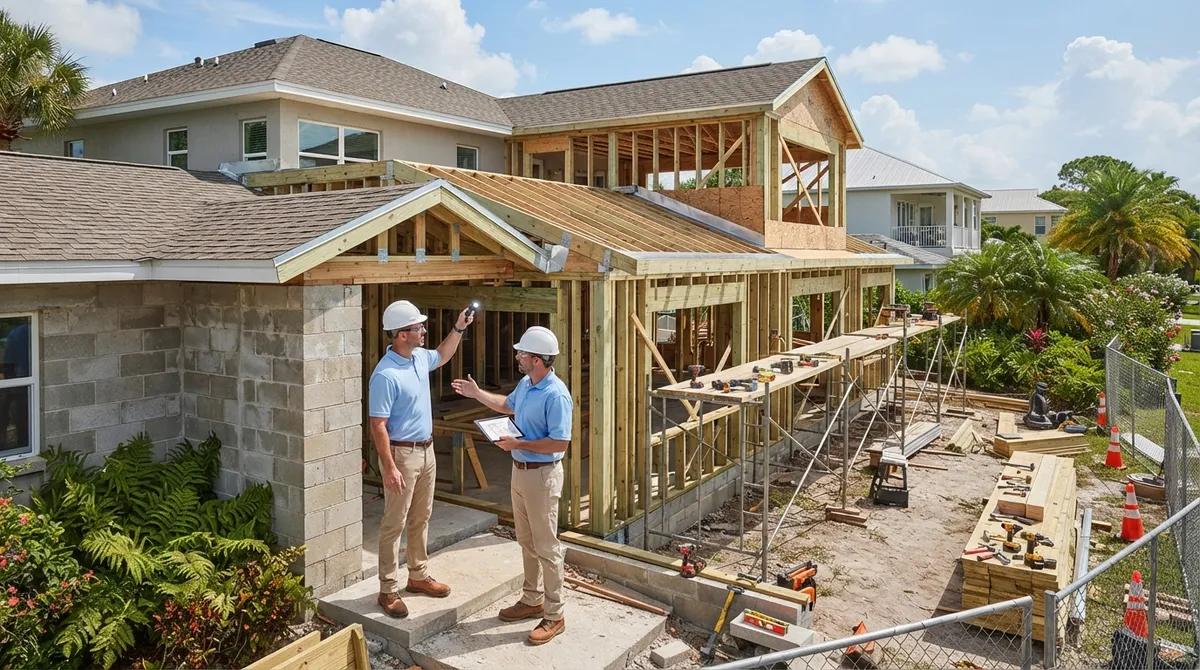
Inspectors cannot approve what they cannot see. If framing, wiring, or plumbing is buried behind finished walls, the building official may require exposure of limited areas. Photographs, openings, and field verification can add days or weeks. Many owners worry about this one, and it is the most common source of surprise delays.
5. Whether You Have As-Built Drawings
Reviewers need to know exactly what was built. If there are no plans, someone has to measure and draw it. Professional as-built drawings give the department a clear picture and prevent repeated clarification requests.
6. The Need for a Sealed Engineer Letter
Many ATF cases require a licensed engineer to confirm that the work meets the Florida Building Code, especially for wind loads, trusses, foundations, and structural connections. Having engineering in house keeps this step short. An outside engineer with a full calendar can add a week or more. Learn more about engineer letters for permits.
7. Product Approvals and Documentation
Windows, doors, roofing materials, and shutters need valid Florida product approvals or Miami-Dade NOAs where applicable. If the installer is gone and the paperwork is lost, tracking down approvals takes detective work.
8. Contractor Information and Licensing
Departments may require contractor details, and sometimes the original installer is unlicensed, unreachable, or out of business. In that case, a licensed contractor or an owner-builder permit path may be needed, which changes the steps and timing.
9. Active Code Enforcement Cases
If a neighbor complaint or inspector visit triggered a notice of violation, you are on two clocks: the permit review and the enforcement case. Fines can accrue while you work. These proceedings are jurisdiction-specific and may run on a separate schedule. If you have a notice in hand, see our guide to code compliance violations.
10. Corrective Work Required by the Code
Sometimes the work is fine. Sometimes it is not. If an inspector finds missing hurricane straps, improper clearances, or undersized members, corrections must be completed and reinspected before approval. This is often the biggest swing factor between a three-week job and a three-month job.
11. Reviewer Comments and Resubmittal Rounds
Each correction round costs time. Two or three rounds are common on complex files. Responding fast, and responding correctly, matters more than almost anything else. A dedicated team handling revisions and resubmittals can cut each round down considerably.
12. Plan Review Method: County Queue vs. Private Provider
Florida allows owners and contractors to use a private provider for certain plan review and inspection work. Where eligible, this can sidestep county backlogs. Compare options in our post on private provider vs. building department in Florida.
13. Seasonal Backlogs and Storm Surges
After hurricane season, departments get slammed with roofing and repair permits. Review times can stretch well beyond posted estimates. Planning around busy periods helps.
14. Flood Zone and Special Overlays
Properties in flood zones may trigger additional review, including elevation questions and substantial-improvement calculations. These add documentation steps and can slow things down. Our explainer on the FEMA 50 percent rule in Florida covers when this applies.
15. Who Is Managing the Process
This is the quiet factor. Applications filed, tracked, and chased by someone who knows each reviewer's habits tend to move faster than ones left to sit. Experience with the jurisdiction matters.
Timeline Examples by Project Type
Here is a realistic way to think about it. These are illustrative planning ranges for Florida jobs that are fully documented and cooperative, not promises.
| Project Type | Common Complexity | Often Takes Longer When |
|---|---|---|
| Re-roof done without a permit | Low to moderate | Truss or decking questions, missing product approvals |
| Window or door replacement | Low to moderate | No NOA or approval paperwork, impact rating unclear |
| Solar install | Moderate | Structural attachment unverified, electrical plans missing |
| Pool or pool cage | Moderate | Setback, barrier, or engineering issues |
| Room addition or enclosure | High | Foundation, framing, and MEP all need verification |
| Commercial build-out | High | Change of use, fire, accessibility, and occupancy reviews |
For more on how standard permits compare, read how long a building permit takes in Florida.
Step-by-Step: How the ATF Process Usually Unfolds
- Research the property. Pull the permit history and check for open permits using an open permit search.
- Confirm the jurisdiction and rules. Find out exactly which office reviews your address and what it requires for unpermitted work.
- Document what exists. Photos, measurements, and as-built drawings establish what was built.
- Get engineering if needed. A sealed letter or plans confirm structural and code compliance.
- File a complete application. Include plans, product approvals, contractor info, and fees.
- Work the reviewer comments. Respond quickly to every correction.
- Complete inspections. Pass the required inspections, including any corrective work.
- Close the permit. Final approval, and a certificate if applicable.
If you want a deeper walkthrough, see how to get an after-the-fact permit in Florida.
A Common Mix-Up: Building Permit Deadlines vs. Development Permit Deadlines
You may stumble across Florida Statutes §§125.022 and 166.033, which set a 30-day completeness review and decision periods of generally 120 days (no hearing) or 180 days (with a hearing). Those apply to development permits, not typical building permits. Do not confuse them with the §553.792 building-permit deadlines above. Most after-the-fact residential work falls under the building-permit rules.
Ways to Shorten Your After-the-Fact Timeline
You cannot control the building department's calendar, but you can control your side of it. These habits save the most time:
- Submit complete packages. Every missing item restarts the conversation.
- Gather paperwork early. Old receipts, warranties, and product labels help establish what was installed.
- Hire engineering up front. Do not wait for a reviewer to ask.
- Respond to comments within a day or two. Delays on your end add directly to the total.
- Fix known deficiencies first. Correct obvious code issues before the inspector arrives.
- Use the right review path. A private provider can beat a long county queue where allowed.
- Track everything. Someone should check status every few days, not every few weeks.
Facing a stop-work order or a looming closing? Our urgent permit rescue service is built for exactly that pressure.
Who Faces ATF Timelines Most Often
Different readers hit this problem from different angles, and the priorities shift:
- Homeowners usually discover it during a sale, refinance, or insurance review and want the cleanest, cheapest route to legal.
- Real estate professionals race a closing date. Our realtor closing support is designed around that deadline.
- General contractors inherit jobs where a prior crew skipped permits and need predictable turnaround to keep schedules intact.
- Solar and roofing companies often manage volume, where one stalled permit can hold up a whole crew.
- Designers and specialty trades need dependable drafting and engineering without building an in-house department.
Whichever group you are in, the same principle applies: clean documentation plus fast responses equals faster approval.
What About Cost and Penalties?
Time and money travel together on ATF projects. Many jurisdictions charge additional fees, sometimes a multiple of the standard permit fee, for work started without a permit. Code-enforcement fines can also apply. Amounts vary widely by county and city, so check your local fee schedule. For a breakdown, see our guide to after-the-fact permit costs in Florida, and our overview of the penalty for building without a permit in Florida.
Also remember that unpermitted work can complicate a sale. Buyers, lenders, and insurers may all ask about it, so it is usually smarter to resolve it before listing than to scramble mid-contract.
Why Working With a Florida Permitting Specialist Helps
An after-the-fact job is part detective work, part engineering, and part negotiation with the building department. That is a lot to juggle on top of everything else you do.
At 1 Contractor Solutions, we act as Florida's outsourced permitting department. Our drafting and engineering are in house, and our own engineer signs and seals the work, so when a reviewer flags a problem, we fix it without waiting on an outside consultant. We handle after-the-fact and expired permits across all 67 Florida counties, and we respond within 30 minutes, day or night. Want to see how customers feel about working with us? Visit us on Google — 1 Contractor Solutions and read the reviews.
We also love sharing helpful updates, so feel free to follow us on LinkedIn or follow us on Facebook. For the legal text behind review deadlines, you can read the official Florida Statutes §553.792.
The Bottom Line
Remember, there is no one-size answer to how long after-the-fact permitting takes in Florida. Simple, documented jobs can move in weeks. Complex ones, especially with concealed work, engineering gaps, or enforcement cases, take longer. Your best levers are a complete application, fast responses, and the right team behind you.
Ready to find out where your project stands? Send us your address and the problem, and we will tell you which jurisdiction controls it and what it will take. Get a free quote today, and let's get your permit approved and your project moving again.
FAQs
How long does an after-the-fact building permit take in Florida?
There is no single statewide timeline, but straightforward, fully documented cases may clear local review in a few weeks. Concealed work, engineering needs, corrections, or code-enforcement issues can stretch the total to a few months. Florida's review deadlines also start only after your application is complete.
Can I get a permit after the work has already been completed?
Yes, in most cases you can. The building department will want to confirm what was built and that it meets the Florida Building Code, which may involve as-built drawings, photos, engineering, and inspections. Some work may need to be opened up or corrected before approval.
Will an inspector make me open walls or remove finished work?
Sometimes, but not always. If key elements like framing, wiring, or plumbing are hidden, the building official may request limited openings or other proof. Good documentation and an engineer's letter can often reduce how much needs to be exposed.
Do Florida counties charge fines for unpermitted construction?
Many do. Local governments may charge added permit fees for work done without a permit, and code enforcement can assess fines in some cases. Amounts and rules vary by jurisdiction, so it helps to check with your local building department or a permitting specialist.
Can I sell a Florida home with unpermitted work?
It is possible, but it often complicates the sale. Buyers, lenders, and insurers may flag unpermitted work, and it can delay or derail a closing. Resolving it with an after-the-fact permit before listing is usually the smoother path.
We do this work every day across all 67 Florida counties. Call (866) 314-6931 and we will tell you what your situation actually requires — including when you do not need us.
Related services
Permit Facilitation & Filing
You have a crew scheduled, a client asking for dates, and a permit sitting somewhere in a queue you cannot see. We file it, w…
See the servicePlan Review Coordination
A permit in plan review is not one queue. On a commercial project it can be six queues, each with its own reviewer, its own c…
See the serviceReady to get your permit moving?
One call tells you which jurisdiction controls your project, what it will take, and what it will cost. Most of the time we can scope it on the phone.