
Blog
14 After the Fact Additions Florida Facts to Know (2026)
Built an addition without a permit? Learn 14 key facts about after the fact additions in Florida, from documentation to costs and closing issues.
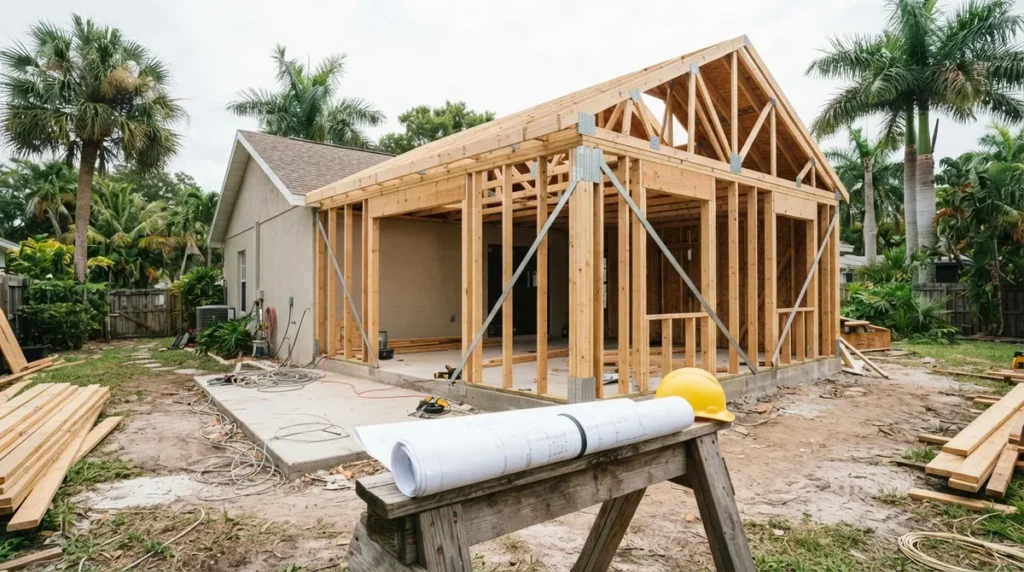
Key Takeaways
-
Florida Statutes §553.79 generally requires a permit before construction or alteration begins, so unpermitted additions must go through a retroactive (after-the-fact) permit process with the local building department.
-
Retroactive approval is not automatic: the completed work must still meet code, and if a department denies or finds noncompliance, Florida law requires it to identify the specific code provisions involved.
-
Expect to submit as-built drawings, a site plan, and structural documentation; reviewers focus heavily on foundation, framing, tie-downs, and roof-to-wall connections given Florida's high wind requirements.
-
A building permit does not resolve zoning issues; setbacks, lot coverage, and height limits must be checked early with the planning or zoning department, as a variance may be needed.
-
Fees and penalties vary by jurisdiction with no statewide standard, so check the local fee schedule, since some counties add surcharges or double fees for work started without a permit.
-
Resolve unpermitted additions before listing or refinancing, since appraisers, lenders, insurers, and buyers often flag unrecorded square footage and can stall or derail a closing.
So you've got an addition that went up without a permit. Maybe a prior owner built it, maybe a contractor promised to pull the paperwork and never did, or maybe you simply didn't realize the project needed one. First things first: take a breath. You are far from alone, and in most cases there is a path forward.
After the fact additions in Florida are more common than most people think. Sunrooms, bedroom expansions, garage conversions, and screened-in lanais often get built quietly and discovered later at a sale, a refinance, or an insurance claim. The good news is that most building departments offer a retroactive process, and with the right plans and documentation, many owners get their additions legalized.
In this friendly guide, we'll walk you through 14 facts about after the fact additions in Florida, from the law behind permits to documentation, inspections, costs, and closing issues. We'll keep it practical and honest, because every county works a little differently, and approval is never guaranteed until the building department says so.
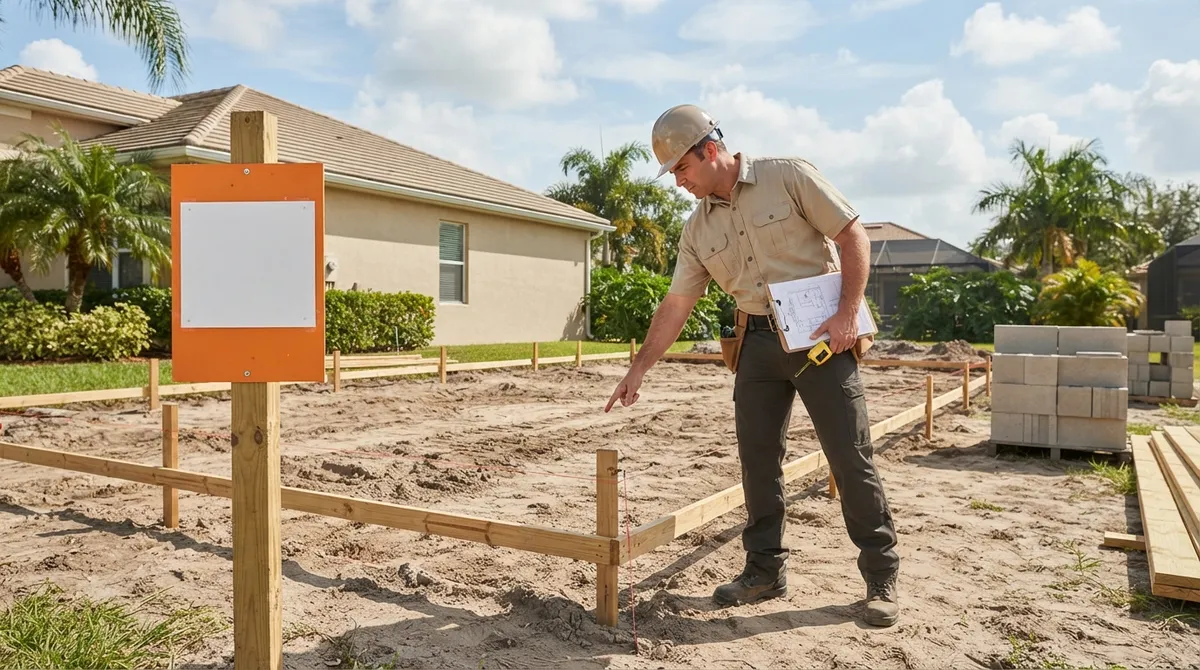
1. Florida Law Requires a Permit Before the Work Begins
Under Florida Statutes §553.79, construction, alteration, or modification of a building generally needs a permit from the local enforcing agency before work starts. That is the rule an unpermitted addition breaks, and it's why the building department will want to review it.
The statute authorizes local agencies to handle applications, fees, plan review, and inspections. That means the process, paperwork, and pricing you face depend on the city or county where your property sits.
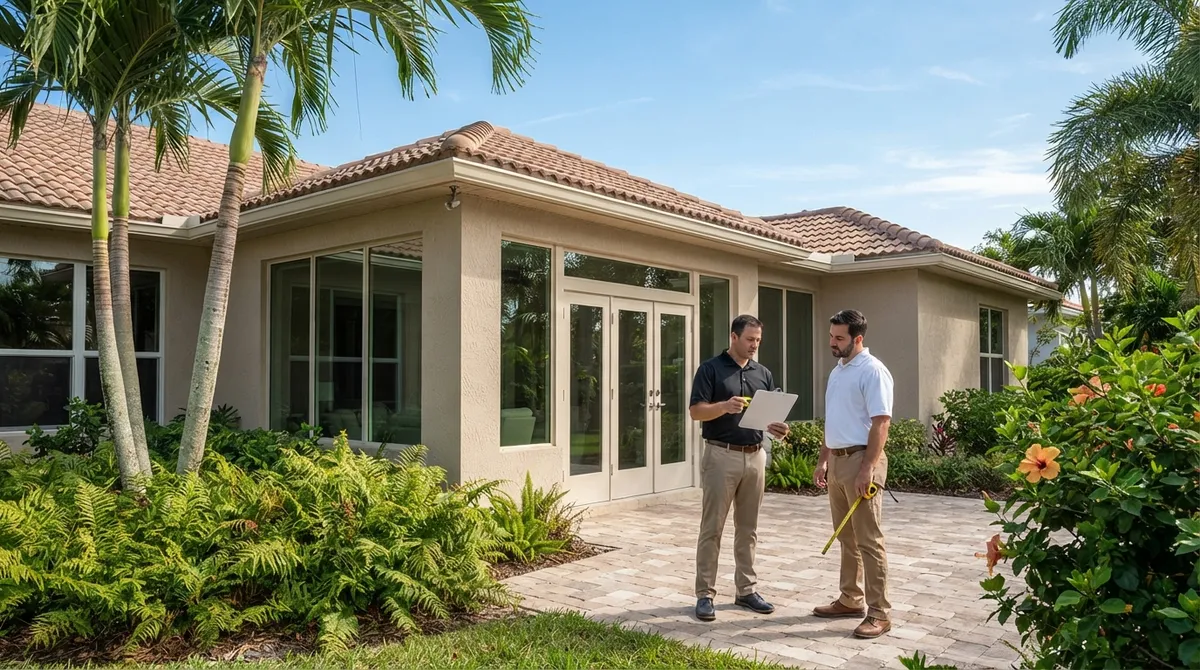
2. "After the Fact" Simply Means Retroactive
An after the fact permit (also called a retroactive permit) is how most Florida jurisdictions handle completed work that should have been permitted. You apply for the permit you should have had, and the department reviews the finished addition as if it were a new submittal.
Names and procedures vary. One county may call it a permit for work already completed, another may attach a penalty fee to a standard application. Always confirm the exact process with the building department that has jurisdiction.
If you want a deeper walkthrough of how the process works, our guide on how to get an after-the-fact permit in Florida covers it step by step.
3. Retroactive Approval Is Not Automatic
Here's the part we want to be upfront about: applying does not legalize the addition. The work still has to meet applicable code and local requirements. If the department finds problems, it can require corrections, additional review, or other remedies.
The encouraging side is that when a department denies a permit or finds noncompliance, Florida law requires it to identify the specific noncompliant features and the code provisions involved. That gives you a clear to-do list instead of a guessing game.
4. Start by Contacting the Right Jurisdiction
Before anything else, figure out who actually controls your property. Near city lines, this isn't always obvious. A home with a city mailing address may sit in unincorporated county territory, and the reverse can happen too.
Our building department lookup tool is a great first stop, and you can also run an open permit search to see what's already on record for the address.
5. Expect to Document the Existing, Completed Work
Unlike a new build, the building department can't inspect framing or wiring as it goes in. So you'll typically submit plans that show what's already built. These are often called as-built drawings, and they capture dimensions, layout, structure, and systems.
Depending on the jurisdiction, your submittal may include:
- Existing and proposed floor plans showing the addition as built
- A site plan with setbacks and lot coverage
- Structural details for foundation, framing, and roof connections
- Electrical, plumbing, and mechanical information where applicable
- Product approvals for windows, doors, and roofing
- An engineer's letter or sealed documentation when requested
Our team prepares as-built drawings and handles engineer letters in house, so you aren't waiting on an outside consultant.
6. Structural Verification Often Takes Center Stage
Reviewers care most about whether the addition is safe, especially in a state with high wind requirements. They may ask for proof of foundation, framing, tie-downs, and roof-to-wall connections.
When an engineer evaluates the finished structure, the result is typically a sealed letter or set of drawings confirming (or specifying fixes for) code compliance. Learn more about our structural engineering support.
7. Inspectors May Need to See Hidden Work
Walls and ceilings have been closed up, so the inspector can't see what's inside. The department may accept engineer documentation, photographs, or other evidence, or it may require selective opening of finished areas.
That sounds scary, but it's usually targeted. A small opening at a key location is far better than demolition. Confirm with your local authority what they'll accept before you assume anything.
8. Zoning Is a Separate Question From Building Code
This is the one that surprises owners most. A building permit does not resolve zoning issues. Your addition also has to respect setbacks, lot coverage, height limits, and other land-development rules.
If the addition sits too close to a property line or exceeds coverage limits, you may need a variance or another zoning approval, or modifications to the structure. Check with the relevant planning or zoning department early, so you don't spend money on plans before knowing the site is workable.
9. Fees and Penalties Vary by Jurisdiction
Florida Statutes §553.79 authorizes reasonable permit fees, and local fee schedules often add charges for work started without a permit. There is no uniform statewide after the fact fee.
As one local example, an Osceola County fee schedule has listed a failure-to-obtain-a-permit charge of $80 plus double fees. That's only an example, and it may not match what your jurisdiction charges today, so always check the current schedule.
| Cost Factor | What to Expect |
|---|---|
| Base permit fee | Set by local fee schedule, often tied to project value or square footage |
| Penalty or surcharge | Varies; some jurisdictions charge extra or double fees for unpermitted work |
| Plans and drafting | Depends on addition size and complexity |
| Engineering | Depends on whether structural verification or corrections are needed |
| Corrections | Unknown until review and inspection reveal issues |
For a closer look at pricing, see our breakdown of after the fact permit costs in Florida.
10. Licensing Matters, Even Retroactively
Florida Statutes §489.13 bars local building departments from issuing permits to contractors who lack the required active state credential for the work. If your addition requires a licensed contractor, the permit process may involve one.
Homeowners sometimes ask about owner-builder status. Whether that's available and appropriate for completed work depends on the local department, so ask. Our owner-builder permit team can help you sort out the right route.
11. Your Timeline Depends on Review and Corrections
No reliable statewide data shows average processing times for after the fact additions. A clean submittal with complete drawings moves faster than one that triggers multiple comment rounds.
A typical path looks like this:
- Confirm the jurisdiction and its after the fact procedure
- Field-measure the addition and prepare as-built plans
- Gather engineering, product approvals, and site information
- File the application and pay fees
- Respond to reviewer comments and revisions
- Complete required inspections
- Receive final approval and close the permit
Skilled plan review coordination and quick revisions and resubmittals keep this moving.
12. Unpermitted Additions Can Derail Sales and Refinances
Buyers, appraisers, lenders, and insurers all have ways of noticing extra square footage that isn't on record. When they do, closings can stall. Realtors and sellers often discover this at the worst possible moment.
Resolving the permit before listing is usually smoother than scrambling mid-contract. Our realtor and closing support team works with agents and owners on exactly this kind of problem, and our article on an open permit found at closing shows how it plays out.
13. A Code Enforcement Notice Changes the Clock
If a neighbor, inspector, or complaint triggered a violation, you're likely working against a compliance deadline. Don't ignore the notice, because fines can build and options narrow.
Reach out to the department, show you're taking action, and get your plans and engineering moving. Our code compliance violation help and urgent permit rescue service exist for these situations, and the guide on whether code enforcement can force you to remove work explains the stakes.
14. A Professional Partner Saves Time and Stress
You can absolutely work through this yourself, but the combination of drafting, engineering, filing, and reviewer comments adds up. A team that handles all of it under one roof keeps nothing from falling through the cracks.
1 Contractor Solutions acts as Florida's outsourced permitting department across all 67 counties, with in-house drafting and sealed engineering. We handle after the fact and expired permits that others decline, and we respond within 30 minutes, day or night.
Who Benefits Most From Legalizing an Addition?
| Reader | Common Situation | Why Act Now |
|---|---|---|
| Homeowners | Inherited or discovered an unpermitted addition | Avoid fines and protect resale value |
| Real estate professionals | Listing or buying a property with extra square footage | Prevent closing delays |
| General contractors | Client's prior work was never permitted | Protect your reputation and project schedule |
| Design trade professionals | Need as-built plans or engineering support | Outsource drafting and sealed documents |
Common Mistakes to Avoid
- Assuming a building permit also clears zoning
- Skipping field measurements and submitting guessed drawings
- Ignoring a violation notice deadline
- Hiring an unlicensed contractor for corrections
- Listing the home before the permit issue is resolved
Each of these can add weeks or cost real money, so a little planning up front goes a long way.
Ready to Legalize Your Addition?
After the fact additions in Florida are fixable far more often than owners fear, but the details depend on your jurisdiction, your structure, and your site. Starting with accurate documentation and the right engineering gives you the best shot at a smooth approval.
If you'd like to see how other Florida owners have fared, read 1 Contractor Solutions reviews on Google. You can also follow us on LinkedIn or follow us on Facebook for permitting tips as rules change.
Ready to take the next step? Get a free quote today, and let our team show you the clearest path from unpermitted to approved.
FAQs
How do I get an after the fact permit for an addition in Florida?
Contact the city or county building department that has jurisdiction over your property and ask about its retroactive permit process. You'll typically submit as-built plans, any requested engineering, and fees, then complete plan review and inspections. Steps and names vary by locality, so always confirm locally.
Can a Florida county make me remove an unpermitted addition?
It's possible if the addition can't be brought into compliance with building or zoning requirements, but many additions can be legalized with the right documentation and corrections. If the department denies or finds noncompliance, Florida law requires it to identify the specific code issues so you know what to fix.
Will an inspector need to open walls to check an unpermitted addition?
Sometimes. Where concealed work can't be verified through engineer documentation or other evidence, the department may require selective openings in finished areas. These are usually limited and targeted, and the exact requirement depends on your local authority.
Do I need zoning approval as well as a building permit?
Possibly, yes. A building permit doesn't resolve zoning rules such as setbacks, lot coverage, and height limits. Check with the local planning or zoning department early so you know if a variance or modification is needed.
Can I sell or refinance a Florida home with an unpermitted addition?
You may be able to, but unpermitted work often causes appraisal, lender, insurance, or buyer concerns that can delay or derail a closing. Resolving the permit before listing or applying for financing is usually the smoother route.
We do this work every day across all 67 Florida counties. Call (866) 314-6931 and we will tell you what your situation actually requires — including when you do not need us.
Related services
Permit Facilitation & Filing
You have a crew scheduled, a client asking for dates, and a permit sitting somewhere in a queue you cannot see. We file it, w…
See the servicePlan Review Coordination
A permit in plan review is not one queue. On a commercial project it can be six queues, each with its own reviewer, its own c…
See the serviceReady to get your permit moving?
One call tells you which jurisdiction controls your project, what it will take, and what it will cost. Most of the time we can scope it on the phone.