
Blog
12 Things to Know About After the Fact Structural Engineering in Florida (2026)
Learn what after the fact structural engineering means in Florida, what building departments require, and 12 key facts before you start.
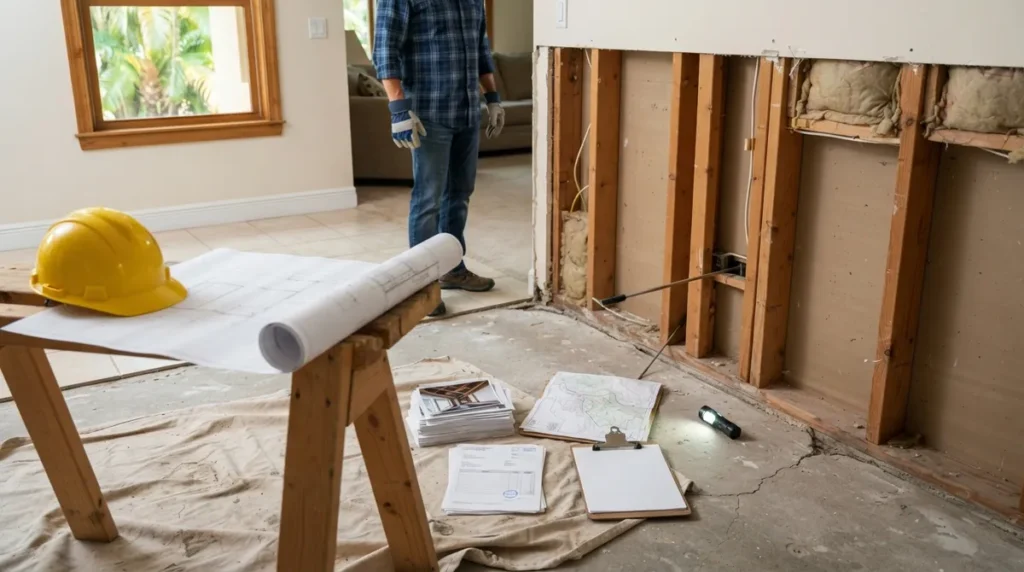
Key Takeaways
-
An engineer's seal alone does not legalize unpermitted work; the local building department (AHJ) decides what documentation, testing, or openings are required, and this varies by county and city.
-
Florida Statutes §553.79 generally requires a permit before construction, alteration, or repair, so after-the-fact work must be verified through the permit process rather than a standalone statewide permit.
-
Concealed structural work, such as closed walls or poured slabs, is the most common source of budget surprises; construction photos, receipts, and prior inspection records can reduce how much must be opened.
-
Gather photos, material invoices, prior permits, surveys, and any violation notices before the engineer visits, and confirm the process and applicable Florida Building Code edition with the local building department.
You found out the deck, the addition, or the re-roof never got a permit. Maybe the prior owner skipped it. Maybe a contractor swore it was handled. Now a buyer, lender, or code officer wants answers, and your stomach just did a little flip. Take a breath. This happens all the time in Florida, and there is a clear path forward.
After the fact structural engineering is the work a Florida-licensed professional engineer does to evaluate, document, and (when needed) design repairs for structural work that was built before the required permit or inspections. It is not a separate statewide permit type. Your local building department decides what it needs, and the engineer supplies the technical backbone.
In this friendly guide, we walk through 12 things every contractor, solar company, realtor, designer, and homeowner should understand before starting. We also cover what the research says about Florida Statutes, concealed work, and why paying a fee alone rarely closes the case. If you want a team to take it off your plate, you can get a free quote from our crew at 1 Contractor Solutions.
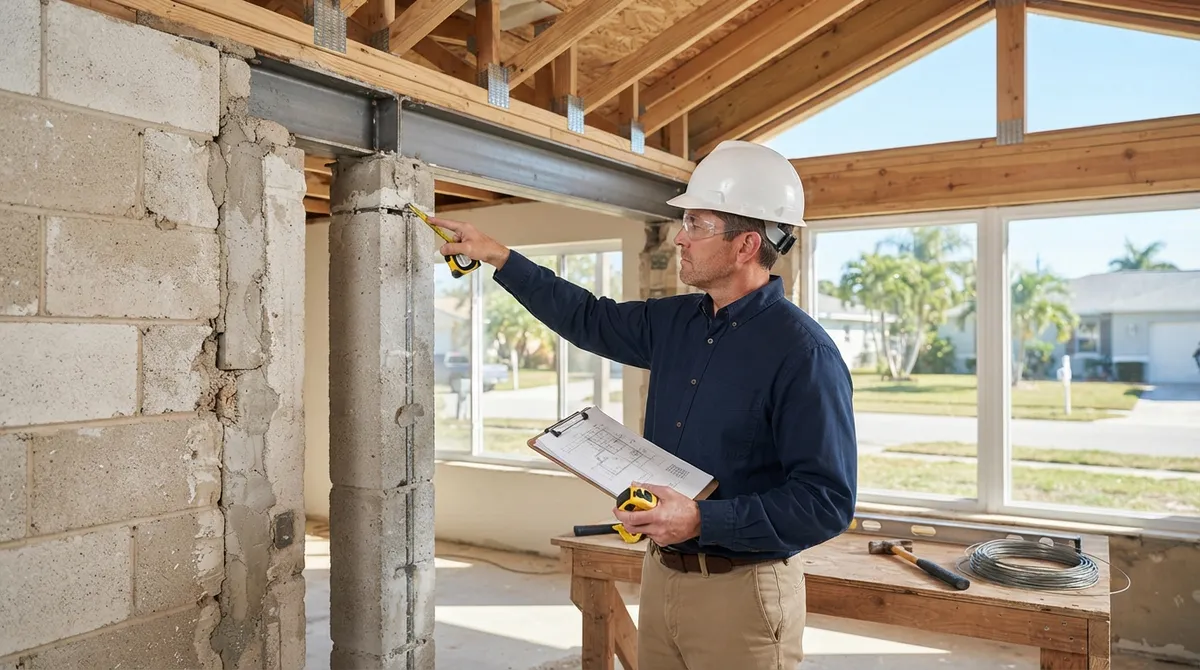
1. What After the Fact Structural Engineering Actually Means
In plain English, it means a licensed engineer looks at structural work that already exists and answers one question: is it adequate? The engineer may inspect exposed framing, connections, foundations, or tie-downs. Then they prepare calculations, signed and sealed drawings, or a letter that supports your permit application.
Think of it as building the paper trail after the build. The goal is to give the plan reviewer enough evidence to say yes. For a deeper look at how these letters work, see our overview of engineer letters and our structural engineering service.
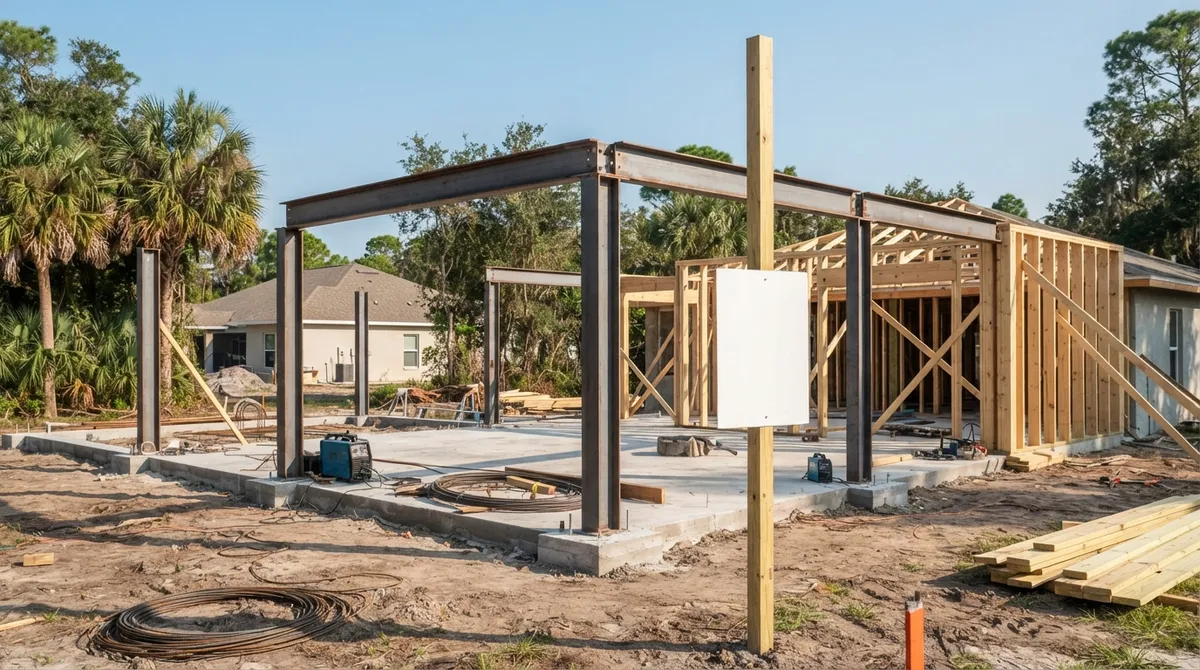
2. Florida Law Requires Permits Before Covered Work
Florida Statutes §553.79 generally requires a permit before anyone constructs, alters, modifies, repairs, or demolishes a building. The local enforcing agency reviews plans for Florida Building Code compliance. It may also revoke a permit if the work does not conform.
That is why after the fact work is such a big deal. The law expects the permit first. When the order gets flipped, the building department has to find a fair way to verify what was built. You can read the statute itself on the Florida Legislature's Online Sunshine site.
3. The Building Department Decides, Not the Engineer
Here is the part that surprises people. An engineer's report or seal does not legalize unpermitted work on its own. The authority having jurisdiction (AHJ) decides what documentation, access, testing, corrections, and inspections are needed.
That means two counties can handle the same problem differently. One may accept a letter plus photos. Another may demand opened walls and new calculations. Our building department lookup tool helps you confirm who actually controls your address.
4. What a Florida Engineer Typically Does
The scope depends on the project, but a typical after the fact structural engagement follows a familiar rhythm:
- Site visit and documentation. The engineer measures, photographs, and notes visible members, connectors, and loads.
- Assessment. They compare what exists against code-required capacity.
- Calculations and drawings. Signed and sealed documents show the as-built condition.
- Repair recommendations. If something falls short, the engineer designs fixes.
- Support during review. They help answer reviewer comments.
Because our drafting and engineering are in house, 1 Contractor Solutions can turn reviewer comments quickly instead of waiting on an outside consultant. See how it fits with our as-built drawings service.
5. Concealed Work May Need to Be Opened
Walls get closed. Slabs get poured. Roofs get shingled. When structural elements are hidden, the building official may require selective demolition, testing, or other access so the engineer can verify what is inside.
This is the most common cause of budget surprise. Exact requirements vary by jurisdiction, scope, building type, and evidence available. Photos from the original build, material receipts, and prior inspection records can sometimes reduce how much has to be opened. Learn more in our guide on whether you really have to demolish unpermitted work.
6. Which Florida Building Code Applies
For existing buildings, the Florida Building Code, Existing Building generally governs the path, alongside applicable provisions of the Building or Residential code. Local amendments may also apply.
The code edition in effect for your application and project circumstances should be confirmed with the local building department. Do not assume. Editions change, and the reviewer will hold you to the one they say applies.
7. Quick Comparison: Engineer Role vs. Building Department Role
| Task | Florida-Licensed Engineer | Building Department |
|---|---|---|
| Evaluate structural adequacy | Yes | Reviews the engineer's findings |
| Prepare sealed drawings or calculations | Yes | Reviews for code compliance |
| Decide if concealed work must be opened | Recommends | Final decision |
| Approve the permit | No | Yes |
| Perform required inspections | May assist or document | Yes (or an approved private provider) |
8. What Documents You Should Gather First
A little prep saves a lot of back and forth. Before the engineer visits, collect what you can:
- Photos taken during construction (even phone snapshots help)
- Material invoices, truss or lumber packages, and product specs
- Prior permits, surveys, or site plans for the property
- Contractor names and license numbers, if known
- Any code violation notice or stop-work order
- Insurance or lender letters requesting documentation
No paperwork? Do not panic. Many projects start with nothing and still get resolved. Our open permit search tool can reveal what is already on file.
9. What Can Happen When Work Was Never Permitted
Consequences are local and depend on the facts. Common outcomes include additional fees, stop-work or enforcement action, required corrections, and delays. No reliable statewide fee schedule exists for after the fact structural permits, so be skeptical of anyone quoting one number for everywhere.
Also remember that hiring an engineer or paying a fee does not automatically resolve a violation. Always confirm the process with the building department. If you already have a notice, our code compliance violations team can help you respond. For cost background, read about after the fact permit costs in Florida.
10. Threshold Buildings Are a Different Animal
Do not confuse routine after the fact engineering with threshold building inspections. Florida Statutes §553.79(5)(a) addresses special inspections for threshold buildings during new construction or repair and restoration projects that modify structural systems or loading.
That regime requires a structural inspection plan and special inspections. It applies based on the building and project, so a small residential repair usually will not fall under it. If you manage a large or older condo, our 40 year recertification page explains a related but separate process.
11. Typical Scenarios We See Across Florida
Different audiences run into different versions of the same problem:
| Who | Common Situation | Typical Structural Question |
|---|---|---|
| Homeowners | Enclosed patio or lanai added years ago | Are the connections and foundation adequate? |
| Realtors and investors | Buyer's inspector flags an addition | Can it be legalized before closing? |
| General contractors | Inherited a job with skipped permits | What must be verified before we continue? |
| Solar companies | Roof framing questions on an install | Can the structure carry the added load? |
| Designers and trades | Need sealed drawings fast | Who can draft and seal in one place? |
If a closing is the clock, check our realtor closing support and read what to do when an open permit is found at closing.
12. How to Choose the Right Help
Not every engineer or expediter takes these files. Some decline them entirely because the work is messy. When you compare options, look for these signs:
- A Florida-licensed professional engineer who seals the work
- Experience with your specific county or city
- Clear explanation of what the building department may require
- Honesty about unknowns like concealed conditions
- Ability to handle filing, tracking, and reviewer comments, not just the letter
That last point matters. An engineer's letter is one piece. Someone still has to file, track, and carry the permit through inspection and closeout. Our after the fact and expired permits service does exactly that, and our permit facilitation and filing team keeps the paperwork moving. Want a peek at how customers feel about the experience? Visit us on Google — 1 Contractor Solutions to read reviews.
A Realistic Look at the Process
Here is the general flow most Florida jurisdictions follow, though yours may differ:
- Confirm the correct jurisdiction and whether an after the fact application is accepted.
- Engage the engineer for a site evaluation.
- Prepare as-built drawings and sealed documentation.
- File the permit application with supporting engineering.
- Respond to reviewer comments and revise as needed.
- Complete any required opening, testing, or corrective work.
- Pass inspections and close out the permit.
Timelines vary widely. A clean, accessible project can move quickly. A project with concealed framing and missing records takes longer. For related background, see how to get an after the fact permit in Florida.
Stay Connected and Stay Confident
Florida's building rules can feel like a maze, but you do not have to walk it alone. For updates and tips, follow us on LinkedIn or follow us on Facebook.
Ready to Get Unstuck?
Unpermitted structural work is stressful, but it is rarely a dead end. With the right evidence, a sealed evaluation, and a team that knows how local reviewers think, most projects can move toward approval. We work in all 67 Florida counties and respond within 30 minutes, day or night.
Ready to talk through your situation? Get a free quote from 1 Contractor Solutions and let us help you turn a permit problem into a closed file.
FAQs
What does after the fact structural engineering mean in Florida?
It means a Florida-licensed professional engineer evaluates and documents structural work that was built before the required permit or inspections. The engineer may prepare sealed drawings, calculations, or letters. It is not a separate statewide permit type, so your local building department sets the exact process.
Can a Florida structural engineer approve work that was done without a permit?
An engineer can assess and document the work, but their seal alone does not legalize it. Only the building department can approve the permit and inspections. The engineer's findings simply give the reviewer the evidence needed to decide.
Will concealed structural work need to be opened for inspection?
It might. Building officials can require selective demolition, testing, or other access when framing or foundations are hidden. Construction photos, receipts, and prior records can sometimes reduce how much has to be opened.
How much does after the fact structural engineering cost in Florida?
There is no reliable statewide fee, since costs depend on the project, jurisdiction, and what the building department requires. Fees, penalties, review timelines, and inspection needs are set locally. The best next step is to confirm requirements with your authority having jurisdiction and get a project-specific quote.
Which Florida Building Code applies to existing structural work?
The Florida Building Code, Existing Building generally governs, alongside applicable Building or Residential code provisions. Local amendments and the edition in effect can vary. Confirm the applicable edition with your local building department before you start.
We do this work every day across all 67 Florida counties. Call (866) 314-6931 and we will tell you what your situation actually requires — including when you do not need us.
Related services
Permit Facilitation & Filing
You have a crew scheduled, a client asking for dates, and a permit sitting somewhere in a queue you cannot see. We file it, w…
See the servicePlan Review Coordination
A permit in plan review is not one queue. On a commercial project it can be six queues, each with its own reviewer, its own c…
See the serviceReady to get your permit moving?
One call tells you which jurisdiction controls your project, what it will take, and what it will cost. Most of the time we can scope it on the phone.