
Blog
After-the-Fact Electrical Permits in Florida: A 2026 Guide
Learn how after-the-fact electrical permits work in Florida: who regulates them, documents needed, inspection steps, costs, and how to get legal.
Key Takeaways
-
Florida has no statewide after-the-fact electrical permit process; your city or county building department handles applications, fees, inspections, and corrections, so confirm local requirements before submitting.
-
Filing an after-the-fact permit does not automatically legalize the work; it must meet applicable code and pass all required inspections, and corrections or removal may be required.
-
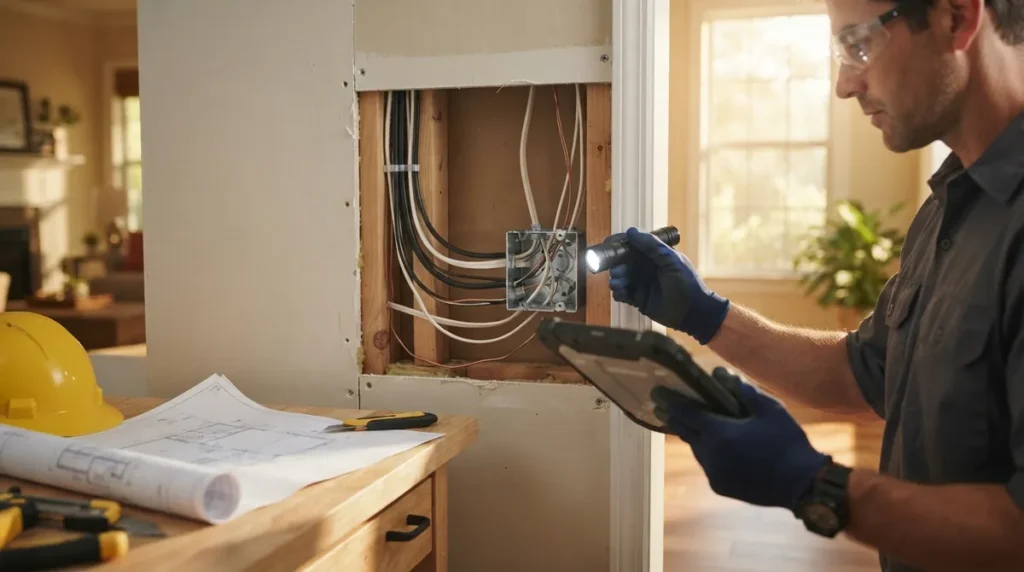
Inspectors may require opening walls or removing finishes to view concealed wiring, so gather construction photos, as-builts, and a licensed electrician's pre-evaluation to limit demolition.
-
Verify who may apply for the permit (owner, licensed contractor, or both) and confirm that anyone performing or correcting electrical work holds the proper Florida license.
-
Unpermitted electrical work can create fire and shock risks, insurance claim complications, closing delays, and resale problems, so resolving it before listing or claims is far easier.
-
Prepare documentation early, including a scope of existing work, as-built or one-line diagrams, load calculations for panel upgrades, and photos, to speed review and reduce surprises.
Here's a scenario we hear all the time: you bought a home with a finished garage conversion, a contractor wrapped up a panel upgrade, or a previous owner added a few circuits, and then someone asks, "Was that permitted?" Suddenly the wiring in your walls is a paperwork problem. If that sounds familiar, take a deep breath. You're far from alone, and there is a path forward.
In Florida, after the fact electrical work generally means regulated electrical work that was started or finished before the required permit was pulled. Fixing it means going to your local building department, asking for approval after the fact, and proving the work meets code. It's doable, but it isn't automatic, and the rules change depending on which city or county you're in.
In this guide, we'll walk through what the law says, what building departments typically ask for, what inspectors look for, and how to avoid the common mistakes. Whether you're a homeowner, a contractor, a solar installer, or a real estate pro with a closing on the calendar, you'll leave with a clear plan.
What "After-the-Fact Electrical" Means in Florida
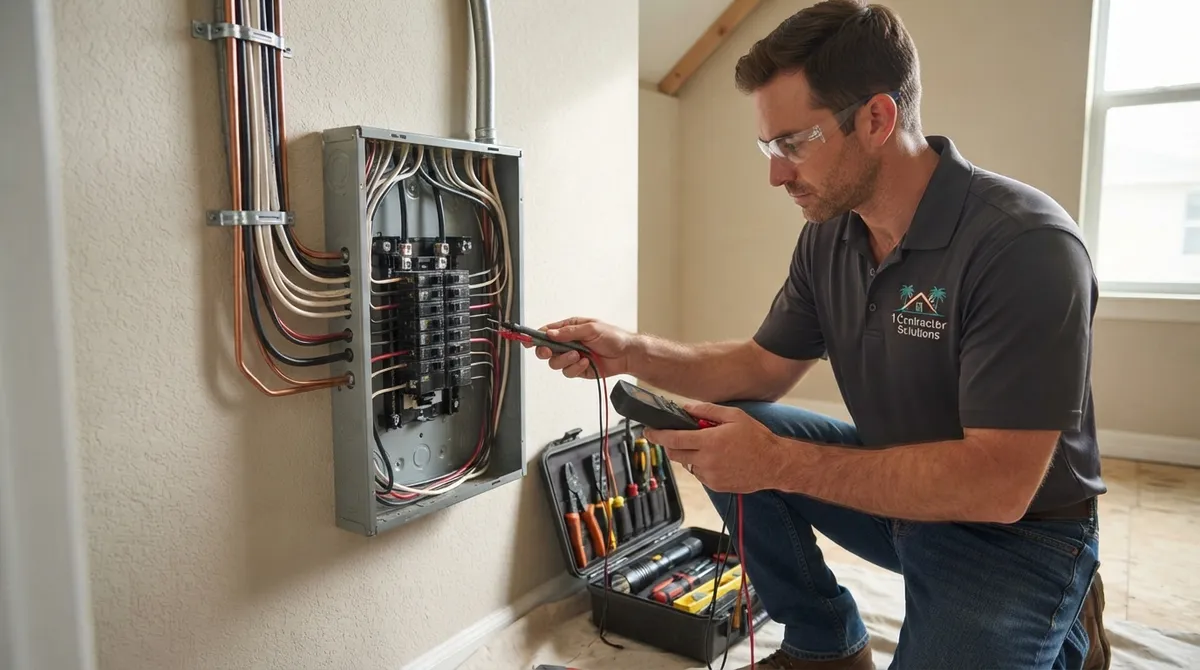
An after-the-fact electrical permit is a permit application submitted to the local enforcing agency for electrical work that already began or was completed without the required permit. Florida doesn't run one statewide process for this. Instead, the city or county building department handles the application, review, inspections, and fees.
Florida Statutes §553.79 generally requires a permit before regulated building work, including electrical work, begins. Whether a specific minor repair is exempt depends on the applicable code and local rules, so don't assume that a small job is permit-free. A quick call to the authority having jurisdiction can save you real headaches.
Common situations that lead to after-the-fact electrical applications include:
- A panel or service upgrade completed without a permit
- Added circuits, outlets, or lighting during a remodel
- Garage conversions, additions, or enclosed patios with new wiring
- Pool, spa, or outdoor kitchen electrical hookups
- Generator installations or EV charger circuits
- Solar or battery tie-ins that were energized before final approval
- Unpermitted work discovered by a prior owner's contractor, an appraiser, or a home inspector
If your project involves more than wiring, our guide on how to legalize unpermitted work in Florida covers the bigger picture.
Who Regulates It: State Law vs. Local Rules
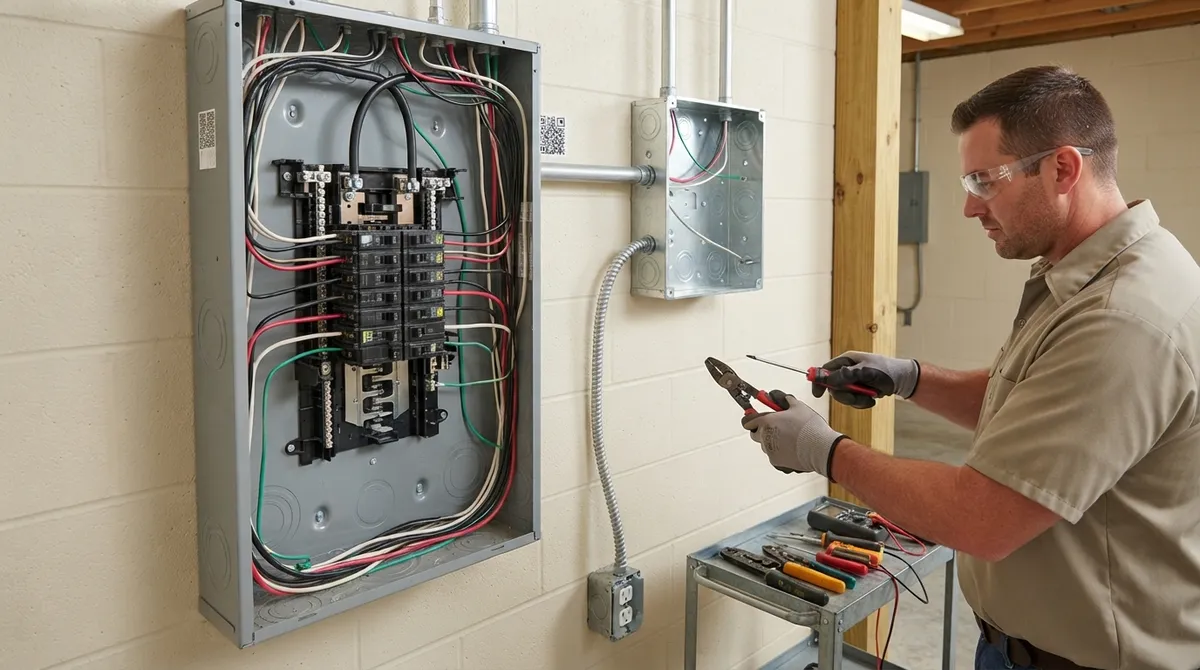
Here's the part that surprises people. The state sets the rule that permits are required, but enforcement is local. Florida Statutes §553.80 assigns building-code enforcement to local governments and authorized enforcement districts, so procedures and consequences for unpermitted work can differ from one jurisdiction to the next.
Licensing matters too. Florida Statutes §489.531 prohibits a contractor from performing work that requires a building permit without the permit in effect. Electrical contracting also has licensing requirements, so owners should verify that whoever performs or corrects the work is properly licensed and authorized for the project.
| Topic | Who Decides | What That Means for You |
|---|---|---|
| Permit requirement | State law (§553.79), applied locally | Permit is generally required before work starts |
| Application process and fees | Local building department | Varies by city and county |
| Inspections and corrections | Local inspectors | Remedy is determined locally |
| Contractor licensing | State licensing rules | Verify license before hiring |
| Enforcement action | Local code enforcement | Consequences differ by jurisdiction |
To figure out which office actually controls your address, which isn't always obvious near city lines, try our building department lookup tool.
Local Variation: Why Your City Matters
Two Florida jurisdictions can handle the same problem in very different ways. For example, Fort Lauderdale states that permits are required for regulated electrical-system work and that permits requiring after-the-fact review aren't eligible for its walk-through service. Miami-Dade County describes electrical permit applications, fee sheets, plan review where required, and inspections, and notes that inspection requests should be made one day before the desired inspection.
Those are examples, not statewide rules. The takeaway is simple: always confirm current requirements with your specific building department before you submit anything.
If you're in a major market, these local resources may help:
- Miami-Dade County permitting support
- Broward County permitting support
- Hillsborough County permitting support
- Orange County permitting support
Step-by-Step: How to Get an After-the-Fact Electrical Permit
Every jurisdiction has its quirks, but the general path looks like this:
- Identify the right jurisdiction. Confirm whether your property is under a city or county building department.
- Document what exists. Photograph the panel, wiring runs, devices, and any visible connections. Note the dates of work if you know them.
- Confirm who can apply. Some departments allow homeowners to apply under owner-builder rules, while others require a licensed electrical contractor. See who can pull a permit in Florida for details.
- Prepare the application package. This typically includes a description of the existing work and, where required, plans, a one-line diagram, load calculations, or an engineer letter.
- Submit and pay fees. Expect permit fees plus any additional charges the jurisdiction assesses for work done without a permit.
- Schedule inspections. Inspectors verify the work against the applicable code.
- Correct any deficiencies. If something fails, fix it and request reinspection.
- Close the permit. Make sure you receive final approval so the record is clean.
Our step-by-step walkthrough on how to get an after-the-fact permit in Florida goes deeper on the application side.
What Documents Might You Need?
There's no statewide checklist, so requirements vary. Still, these are the items building departments commonly ask for:
| Document | Why It's Requested | Typically Needed When |
|---|---|---|
| Completed permit application | Opens the official record | Always |
| Scope description of existing work | Tells reviewers what was installed | Always |
| As-built drawings or one-line diagram | Shows circuits, panels, and service sizing | Larger or complex work |
| Load calculations | Confirms service capacity is adequate | Service or panel upgrades |
| Engineer letter or sealed drawings | Verifies code compliance where required | Complex, concealed, or commercial work |
| Contractor license and insurance info | Confirms authority to do the work | Contractor-filed permits |
| Photos of concealed or finished work | Helps inspectors evaluate what they can't see | Often helpful |
If drawings are needed, our as-built drawings and engineer letters services are built exactly for this.
Will Inspectors Make You Open the Walls?
This is the question everyone asks, and the honest answer is: it depends. Inspectors may need to see concealed wiring, connections, or other work that's no longer visible. The jurisdiction may require openings or removal of finishes so the work can be inspected, corrected, or brought into compliance.
Here's how to reduce the pain:
- Gather photos taken during construction, if anyone has them
- Ask the building department how they handle concealed work before you start opening anything
- Have a licensed electrician or engineer pre-evaluate accessible areas, like attics and panels
- Plan for small, targeted inspection openings rather than large demolition
The exact remedy is decided locally, so a short conversation with the department, or with a permitting pro who knows that office, is time well spent.
An After-the-Fact Permit Isn't a Guaranteed Pass
It's worth saying plainly: filing the application doesn't automatically legalize the installation. The work must satisfy applicable code requirements and pass the required inspections. If it can't be approved as installed, corrections or removal may be required.
Typical corrections include:
- Replacing undersized wire or overloaded breakers
- Adding GFCI or AFCI protection where required
- Fixing improper grounding or bonding
- Repairing unsafe splices or junction box issues
- Correcting panel labeling, working clearances, or service equipment problems
The good news? Most issues are fixable. Catching them now, on your own terms, beats having them found during an insurance claim, a sale, or a fire.
What Does It Cost?
There's no statewide fee or uniform processing time for after-the-fact electrical permits. Fees, documentation, and inspection requirements are set or administered locally. In general, your total cost has a few moving parts:
| Cost Component | What Drives It |
|---|---|
| Permit and plan review fees | Local fee schedule and project valuation |
| Additional or penalty fees | Local policy for work done without a permit |
| Drafting, as-builts, or engineering | Scope and complexity of the electrical system |
| Electrician corrections | Number and severity of code deficiencies |
| Opening and patching finishes | How much concealed work must be inspected |
For a deeper look at budgeting, see our breakdown of after-the-fact permit costs in Florida.
What Happens If You Skip It?
Leaving unpermitted electrical work alone can create risks that grow over time. Local authorities may use code-enforcement processes in addition to requiring permits and inspections, and consequences vary by jurisdiction. Beyond fines or citations, you may face:
- Safety hazards. Wiring that was never inspected may be a fire or shock risk.
- Insurance trouble. Claims tied to unpermitted work can get complicated. Read about permits and insurance claims in Florida.
- Closing delays. Lenders, title companies, and buyers' inspectors often flag unpermitted work. Check out what happens when a permit issue surfaces at closing.
- Resale and refinancing headaches. Buyers may ask for credits, repairs, or a clean permit history.
If you've already received a notice, our guide on code compliance violations explains how to respond calmly and effectively.
Tips for Different Readers
Homeowners
If you inherited unpermitted wiring, you didn't cause the problem, but you may need to solve it. Start with a licensed electrician's evaluation, then talk to your building department about the application path. Our homeowner resources can help you get organized.
General Contractors and Trades
Pulling permits late can put your license and your client relationship at risk. Build permit checks into your project kickoff, and if something slipped, address it before a stop-work order or complaint does. See how we support general contractors.
Solar Companies
Energizing a system before final approval can create after-the-fact complications, especially with utility interconnection. Clean, code-compliant electrical documentation up front helps avoid rework. Learn more about solar contractor permitting.
Realtors and Investors
If an inspection report mentions unpermitted electrical, don't panic. Early research and a clear remediation plan can keep deals alive. Our realtor and closing support is designed for exactly these time-sensitive situations, and our open permit search can help you check a property's record.
How 1 Contractor Solutions Can Help
Think of us as Florida's outsourced permitting department. We work across all 67 counties and have filed in more than 400 municipalities, so we know which jurisdiction actually controls your address and how that office handles after-the-fact and expired permits.
Because our drafting and engineering are in house, with our own engineer signing and sealing the work, we can prepare as-builts, electrical one-lines, and engineer letters, file the application, work every reviewer comment, and carry it through inspection and closeout. If a reviewer flags something, we fix it without waiting on an outside consultant. We also respond within 30 minutes, day or night. Prefer to see what clients say? Visit us on Google — 1 Contractor Solutions and read the reviews, or follow us on LinkedIn and follow us on Facebook for Florida permitting updates.
Quick Checklist Before You Apply
- Confirm the correct building department for your address
- Ask that office whether they accept after-the-fact electrical applications and how
- Verify who is allowed to apply: owner, licensed contractor, or both
- Collect photos, receipts, and any prior permit records
- Have a licensed electrician assess the work before inspection
- Decide whether drawings or an engineer letter will be needed
- Budget for fees, possible corrections, and finish repairs
Ready to Get Your Electrical Work Legal?
Unpermitted electrical work feels stressful, but it's a problem with a process, and you don't have to figure it out alone. The sooner you start, the more control you have over cost, timing, and outcome. If you'd like a team that handles the paperwork, plans, filing, and follow-through, get a free quote and tell us your address and what happened. We'll point you to the right jurisdiction and the fastest compliant path forward.
FAQs
Do I need an after-the-fact electrical permit in Florida?
If regulated electrical work was done without a required permit, you'll generally need to seek local approval after the fact. Florida law requires permits before covered work begins, and your local building department decides how to handle the application, so check with them first. It's much easier to handle on your own terms than after a complaint or closing issue.
Will an inspector make me open walls to inspect unpermitted wiring?
Possibly. Inspectors may need to see concealed wiring or connections, and the jurisdiction may require openings or removal of finishes to do that. Photos, as-builts, and a pre-inspection by a licensed electrician can help limit how much needs to be opened.
How much does an after-the-fact electrical permit cost in Florida?
There's no single statewide fee. Costs depend on the local fee schedule, any additional charges for work done without a permit, drafting or engineering needs, and any corrections required. Your building department can tell you its current fees, and a permitting pro can help you estimate the full picture.
Can a homeowner apply, or must a licensed electrician do it?
It depends on the jurisdiction and the type of work. Some departments allow owner-builder applications in certain situations, while others require a licensed electrical contractor. Either way, verify the license of anyone performing or correcting the work and confirm the rules with your local building department.
Can I sell or refinance a Florida home with unpermitted electrical work?
Sometimes, but it can complicate things. Lenders, appraisers, title companies, and buyers' inspectors often flag unpermitted work, which can delay or derail a closing. Resolving it with an after-the-fact permit before listing usually makes the process smoother.
We do this work every day across all 67 Florida counties. Call (866) 314-6931 and we will tell you what your situation actually requires — including when you do not need us.
Related services
Permit Facilitation & Filing
You have a crew scheduled, a client asking for dates, and a permit sitting somewhere in a queue you cannot see. We file it, w…
See the servicePlan Review Coordination
A permit in plan review is not one queue. On a commercial project it can be six queues, each with its own reviewer, its own c…
See the serviceReady to get your permit moving?
One call tells you which jurisdiction controls your project, what it will take, and what it will cost. Most of the time we can scope it on the phone.