
Blog
6 Pros to Hire Before You Self-Report Unpermitted Work FL
Learn exactly who to hire to self report unpermitted work in Florida, from permitting consultants to structural engineers and licensed trade pros.
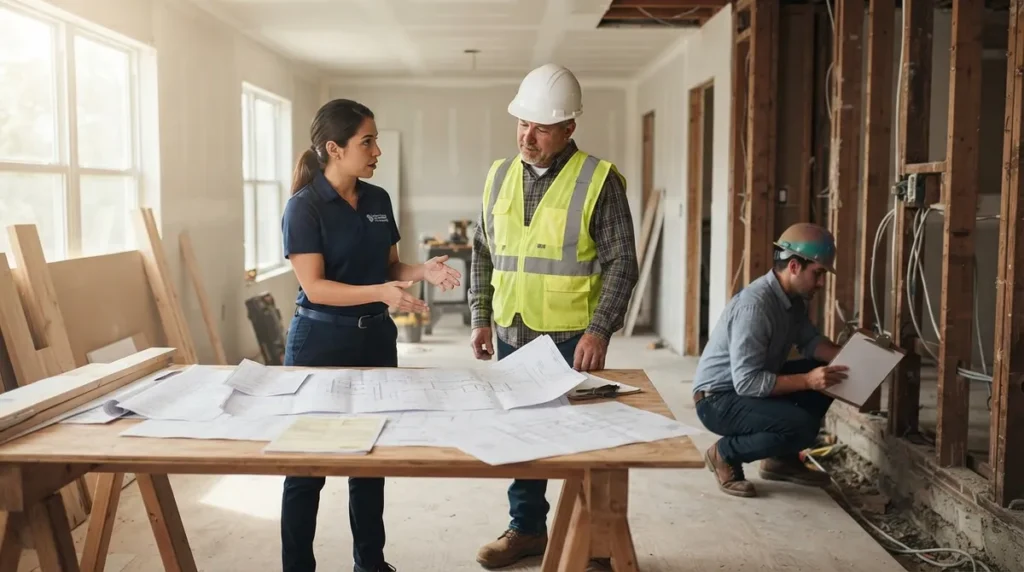
Key Takeaways
-
Start with a Florida-licensed permitting consultant or general contractor as your coordinator to identify the correct jurisdiction, map out required steps, and manage the entire process—they serve as your quarterback.
-
Hire a licensed structural engineer or architect for any load-bearing work (additions, wall removal, foundation changes, pools); building departments require sealed as-built drawings and won't approve structural permits without licensed professional documentation.
-
Contact your local building department early before assembling all documents to understand their specific retroactive application requirements, as processes vary significantly across Florida's 67 counties and jurisdictions.
-
Budget for after-the-fact permit fees that typically run 2-3 times standard permit costs plus potential penalties, and expect weeks to months for plan review, inspections, and corrective work depending on scope.
-
Avoid anyone promising to backdate permits or skip inspections; unresolved unpermitted work can surface during sales, refinances, or insurance claims, making proper documentation essential for long-term property protection.
-
Match licensed trade contractors to specific disciplines—electrical contractors for panel rewiring, plumbing contractors for repiping, roofers for roof replacement—since each requires separate trade permits and only licensed professionals can file for their specialty.
Finding out your Florida property has unpermitted work can feel like a punch to the gut. Maybe you're selling your home and the buyer's inspector flagged an enclosed lanai that never got a permit. Maybe you bought a house and just discovered the previous owner added a bedroom without telling anyone. Whatever brought you here, take a breath — you're not the first person this has happened to, and you're definitely not alone. Every year, thousands of Florida homeowners, investors, and contractors find themselves asking the exact same question: who should I hire to self report unpermitted work Florida authorities will actually accept?
The good news is that Florida has a path for making this right. The tricky part is that it's not a single form or a single phone call. It usually takes a small team of the right professionals working together — and figuring out who does what can be confusing if you've never gone through it before. This guide breaks down exactly who to hire, in what order, and why each person matters, so you can move forward with confidence instead of anxiety.

Why Self-Reporting Unpermitted Work in Florida Isn't a One-Person Job
Here's something that surprises a lot of people: Florida doesn't have one uniform statewide process for self-reporting unpermitted work. Each city and county building department handles retroactive, corrective, or "after-the-fact" permits a little differently. That means the right team for your project depends on where the property is located and what kind of work was done without a permit.
Under Florida Statutes, construction, alteration, repair, or demolition of covered buildings generally requires a permit before work begins. When that didn't happen, the fix isn't just paperwork — it's proving, through plans, inspections, and sometimes exposed walls or ceilings, that the work actually meets code. That's why one contractor, one engineer, or one form rarely gets the whole job done.
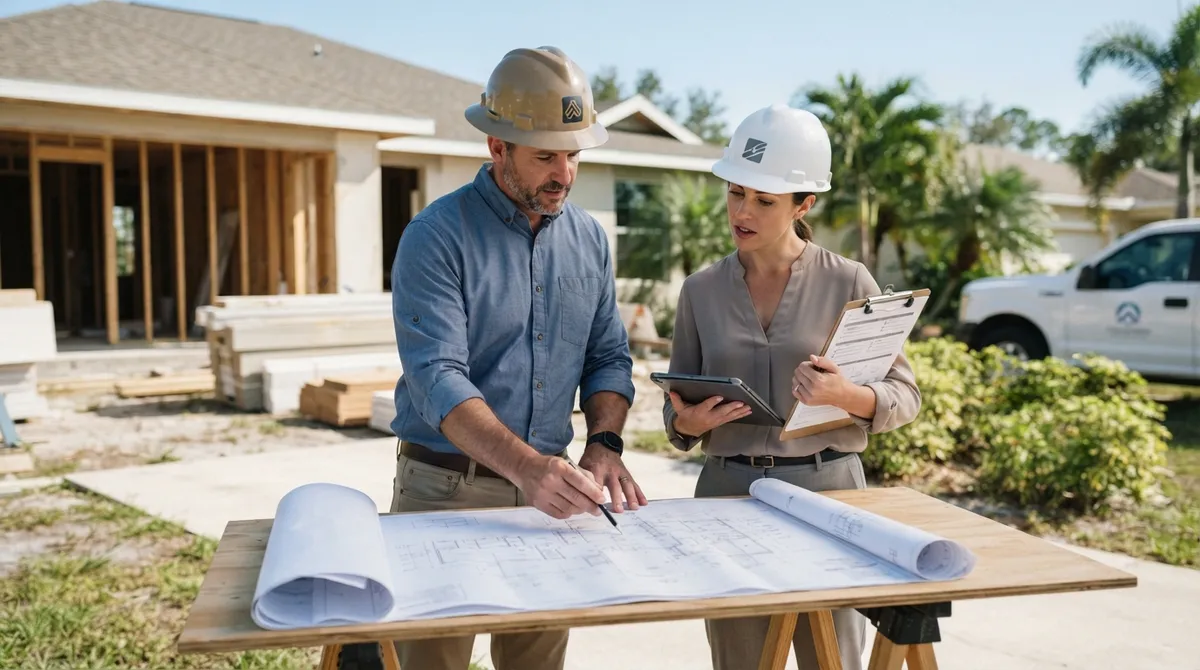
1. Start With a Florida Permitting Consultant or Licensed General Contractor
Your first call should go to a permitting professional who lives and breathes this stuff every single day. A Florida-licensed permitting consultant or an experienced licensed general contractor can review your property's permit history, figure out exactly which building department has jurisdiction, and map out the steps ahead.
Think of this person as your quarterback. They won't necessarily seal drawings or swing a hammer, but they'll coordinate everyone who does. At 1 Contractor Solutions, this is exactly the role we play for homeowners, general contractors, and real estate professionals across all 67 Florida counties — we identify the correct jurisdiction, pull the permit history, and manage the process from start to finish through our after-the-fact and expired permits service.
- They know which local building department to contact and how that office prefers to receive retroactive applications
- They can spot red flags early, like missing product approvals or code changes since the work was done
- They coordinate the other licensed professionals you'll need, so you're not playing phone tag on your own
2. Bring In a Licensed Architect or Structural Engineer for Anything Load-Bearing
If the unpermitted work touches anything structural — an addition, a removed wall, a new foundation, a garage conversion, or concealed framing — you need a Florida-licensed architect or professional engineer involved. This isn't optional, and it isn't something a general contractor can substitute for on their own.
A structural engineer will inspect existing conditions, verify the work meets current Florida Building Code, and prepare or seal as-built drawings and calculations. Building departments will not approve an after-the-fact permit for structural changes without sealed documentation from a licensed professional. This is where in-house engineering matters — when a reviewer has a question about the seal, you want someone who can answer it directly instead of chasing down an outside consultant. Our structural engineering and as-built drawings teams handle this piece daily for properties throughout Hillsborough County, Pinellas County, and beyond.
When You Definitely Need an Engineer, Not Just a Contractor
- The unpermitted work involves a load-bearing wall or column
- An addition changed the building's footprint or roofline
- A pool, spa, or dock was installed without engineering review
- The foundation or slab was altered or extended
- Concealed framing or trusses need verification
3. Hire the Right Licensed Trade Contractor for Electrical, Plumbing, Mechanical, or Roofing Work
Not every unpermitted job is structural. A lot of self-reporting cases involve a water heater swap, a mini-split installation, a rewired panel, or a re-roof that never got filed. For these, you'll need a Florida-licensed trade contractor in that specific discipline — electrical, plumbing, mechanical, gas, or roofing.
Separate trade permits are often required, and only the local jurisdiction can tell you exactly which applications and inspections apply to your situation. A licensed electrician can't file a roofing permit, and a roofer can't sign off on plumbing work. Matching the right license to the right correction keeps your application moving instead of stalling in review.
| Type of Unpermitted Work | Professional to Hire | Typical Documentation Needed |
|---|---|---|
| Room addition or structural wall removal | Licensed architect or structural engineer | Sealed as-built drawings, calculations |
| Electrical panel or rewiring | Licensed electrical contractor | Trade permit, load calculations |
| Water heater, repiping, or plumbing changes | Licensed plumbing contractor | Trade permit, fixture count |
| Roof replacement or repair | Licensed roofing contractor | Product approval, roofing permit |
| HVAC or ductwork changes | Licensed mechanical contractor | Trade permit, equipment specs |
| Overall coordination and filing | Permitting consultant or GC | Permit history review, application package |
4. Loop In Your Local Building Department Early, Not Last
A lot of people wait until they have every document lined up before contacting the building department. Flip that order. Reaching out early — even before hiring your full team — helps you understand exactly what that specific city or county expects for a retroactive application.
Building departments vary widely. Some want a full after-the-fact permit application with photos, invoices, and engineering reports upfront. Others want a pre-application meeting first. Our building department lookup tool and open permit search tool can help you figure out where your property stands before you make that call.
Fee expectations vary too. Many jurisdictions charge roughly two to three times the standard permit fee for after-the-fact applications, though the exact amount depends on the city, county, and project type. Some also tack on additional penalties for work that was started before a permit was ever pulled, so getting a straight answer from the local office early saves you from budget surprises later.
5. Consider Whether an Owner-Builder Permit Fits Your Situation
Some homeowners wonder if they can skip hiring anyone and just self-report under an owner-builder permit. Florida does allow owner-builder permits for certain owner-occupied one- and two-family residences, under Florida Statutes section 489.103. But this path places significant responsibility on you for code compliance and direct, on-site supervision.
For simple, already-completed work, owner-builder status isn't usually the fastest or safest route to legalize things after the fact. It works better for new, hands-on projects where you're supervising from day one. If you're weighing this option, our owner-builder permits resource walks through the statutory conditions and limitations in plain language.
6. Avoid Anyone Who Promises to Make It "Disappear"
This one matters more than people realize. If someone offers to backdate a permit, skip inspections, or quietly "handle it" without disclosing the real scope of work, walk away. That's not a shortcut — it's a liability that can follow the property (and you) for years, especially if it surfaces during a future sale, refinance, or insurance claim.
A reputable professional will accurately document what was built, identify any deficiencies, and coordinate lawful corrective work. That's the entire point of self-reporting: fixing the problem for good, not papering over it.
What Happens After You Report the Unpermitted Work
Once your team submits the after-the-fact application, expect a few things to happen:
- Plan review against current Florida Building Code, which may reveal gaps between what was built and what's required today
- Site inspections, which sometimes mean opening drywall, exposing concrete, or removing finishes so inspectors can verify what's underneath
- Possible corrective work if anything doesn't meet code, coordinated by your contractor or engineer
- A final sign-off once everything passes, closing out the permit for good
This process can take weeks or months depending on the jurisdiction and scope, so patience really does pay off here. Coordinating plan review coordination and handling revisions and resubmittals quickly is often what separates a six-week resolution from a six-month one.
Why This Matters Before You Sell, Refinance, or File a Claim
Unresolved unpermitted work doesn't just sit quietly in the background. It can surface during a title search, a home inspection, or an insurance claim — sometimes at the worst possible moment, like right before closing. Real estate professionals and investors dealing with this regularly turn to realtor and closing support services to resolve these issues before they derail a sale.
Even if a previous owner or a contractor you never met caused the problem, current Florida property owners are typically the ones responsible for resolving it. It's not fair, but it's reality — so tackling it proactively puts you back in control.
Finding the Right Team, County by County
Florida's 67 counties don't all process after-the-fact permits the same way, which is part of why local experience matters so much. Whether your property sits in Manatee County, Miami-Dade County, Broward County, or anywhere in between, working with a team that already knows the local rhythm saves real time.
If you're not sure where to start, our Florida service area page lists the counties we work in most, and you can always get a free quote to talk through your specific address and situation with our team.
A Real-World Scenario
Picture a homeowner near Tampa who added a screened enclosure a decade ago without a permit. They're refinancing now, and the appraiser flagged it. Here's how the team typically comes together:
- A permitting consultant reviews county records and confirms no permit was ever pulled
- An engineer inspects the structure and confirms it's sound but needs updated tie-down documentation
- The consultant files the after-the-fact application with photos, the engineer's report, and product approval documents
- The county schedules an inspection, which passes with minor corrections
- The permit closes, and the refinance moves forward without further delay
That's the process working the way it should — methodical, documented, and resolved for good.
Let's Get This Resolved Together
Self-reporting unpermitted work in Florida doesn't have to feel overwhelming, and you genuinely don't have to figure it out alone. With the right permitting consultant, the right engineer, and the right trade contractors on your side, most cases move through the process smoother than people expect. We've walked alongside homeowners, general contractors, solar companies, and real estate professionals through this exact journey more times than we can count, and we'd be glad to do the same for you. You can also visit us on Google — 1 Contractor Solutions to see how we've helped others in your area, or follow us on LinkedIn and follow us on Facebook for ongoing permitting updates across the state. When you're ready to take the first step, reach out and get a free quote — we'll help you figure out exactly who you need and get the process moving right away.
FAQs
Who should I hire to get an after-the-fact permit in Florida?
Start with a Florida-licensed permitting consultant or experienced general contractor who can map out your jurisdiction and process. From there, you'll likely need a structural engineer or architect for any load-bearing work, plus licensed trade contractors for electrical, plumbing, mechanical, or roofing corrections. Think of it as a small team rather than a single hire, and you'll set yourself up for success.
Do I need a Florida-licensed engineer or architect for unpermitted work?
If the unpermitted work touches anything structural — additions, load-bearing walls, foundations, or concealed framing — yes, absolutely. Building departments generally require sealed as-built drawings and calculations from a licensed professional before they'll approve a retroactive permit. It's one of those steps that's just not worth skipping.
Can a Florida permitting consultant self-report unpermitted construction for me?
A permitting consultant can manage the paperwork, coordinate the process, and file the application on your behalf, which takes a huge weight off your shoulders. That said, they can't replace a licensed engineer or trade contractor when sealed plans or corrective work are required. The best consultants know exactly when to bring those specialists in.
Will Florida require me to open walls or remove finishes for an after-the-fact inspection?
It's possible, especially for structural, electrical, or plumbing work that's hidden behind drywall or flooring. Inspectors need to visually verify code compliance, so concealed elements sometimes have to be exposed. It's not fun, but it's a normal part of getting things properly documented and closed out.
How much do retroactive permits and corrective work cost in Florida?
After-the-fact permit fees are typically set locally and often run about two to three times the standard permit fee, though this varies by city, county, and project scope. On top of that, you may have engineering, drafting, and corrective work costs depending on what needs fixing. Your local building department can give you the most accurate number for your specific case.
We do this work every day across all 67 Florida counties. Call (866) 314-6931 and we will tell you what your situation actually requires — including when you do not need us.
Related services
Permit Facilitation & Filing
You have a crew scheduled, a client asking for dates, and a permit sitting somewhere in a queue you cannot see. We file it, w…
See the servicePlan Review Coordination
A permit in plan review is not one queue. On a commercial project it can be six queues, each with its own reviewer, its own c…
See the serviceReady to get your permit moving?
One call tells you which jurisdiction controls your project, what it will take, and what it will cost. Most of the time we can scope it on the phone.