
Blog
5 Ways to Fix an Unpermitted Remodel Florida Owners Face
Learn how to fix an unpermitted remodel Florida homeowners face, from after-the-fact permits to avoiding costly code violations.
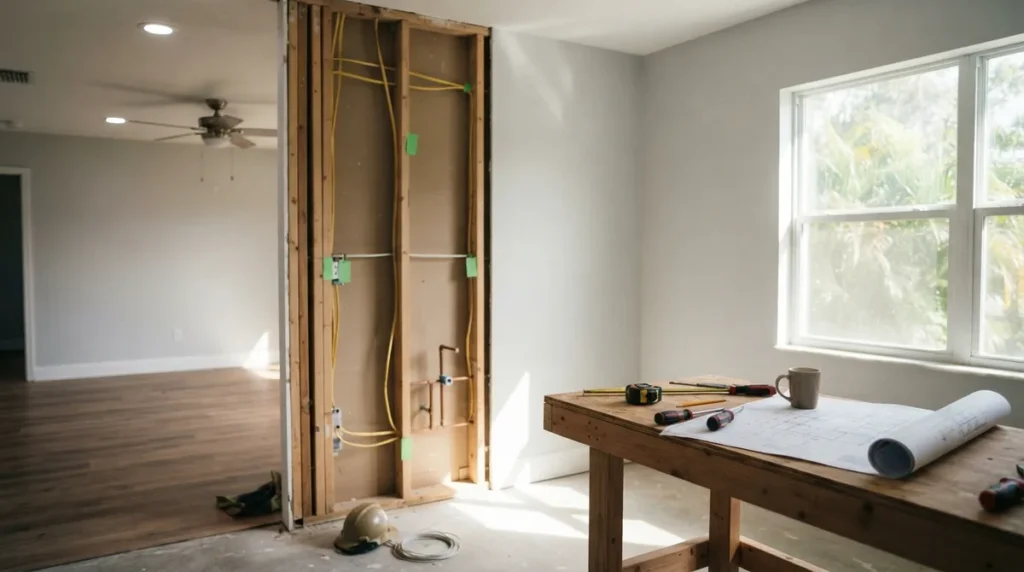
Key Takeaways
-
Florida requires permits for structural changes, electrical, plumbing, mechanical work, and anything affecting egress or occupancy; unpermitted work can stall home sales, trigger insurance claim denials, and cause refinancing issues.
-
Permit requirements vary across Florida's 67 counties and 400+ municipalities, so verify directly with your local building department before assuming exemptions apply, especially if your property is in a flood hazard area.
-
After-the-fact permits legalize completed unpermitted work retroactively through documentation, plans, inspections, and penalty fees—typically double the standard permit fee—plus potential costs for engineering, drafting, and wall openings for verification.
-
Minor cosmetic work like painting and non-structural flooring may be exempt, but structural changes, kitchen/bathroom renovations with new fixtures, and electrical or plumbing alterations almost always require permits.
-
Licensed professionals including structural engineers, electricians, plumbers, and permit expediters should coordinate the corrective permit process to avoid delays and ensure sealed engineering drawings meet code requirements.
-
Proactively legalizing unpermitted work before selling, refinancing, or filing insurance claims prevents buyer inspectors, appraisers, lenders, and insurers from discovering violations that could derail transactions or deny coverage.
Discovering that a past remodel was never permitted can feel like finding a mystery guest at your dinner party — a little unsettling, but totally manageable once you know what to do. Whether you're a homeowner who just learned the previous owner remodeled the kitchen without a permit, a realtor prepping a listing, or a general contractor inheriting someone else's shortcuts, an unpermitted remodel Florida situation is far more common than people think. The good news? It's fixable, and you don't have to figure it out alone.
Florida takes permitting seriously. Under Florida Statutes section 553.79, most construction, alteration, or repair work requires a permit from the local building department before work begins. That includes structural changes, electrical and plumbing work, mechanical and gas systems, and anything touching egress or occupancy. Skip that step, and you could be facing headaches down the road — from stalled home sales to insurance claim denials.
Let's walk through five practical, encouraging steps to get an unpermitted remodel legalized in Florida, plus what to expect along the way. Grab a coffee, and let's tackle this together.
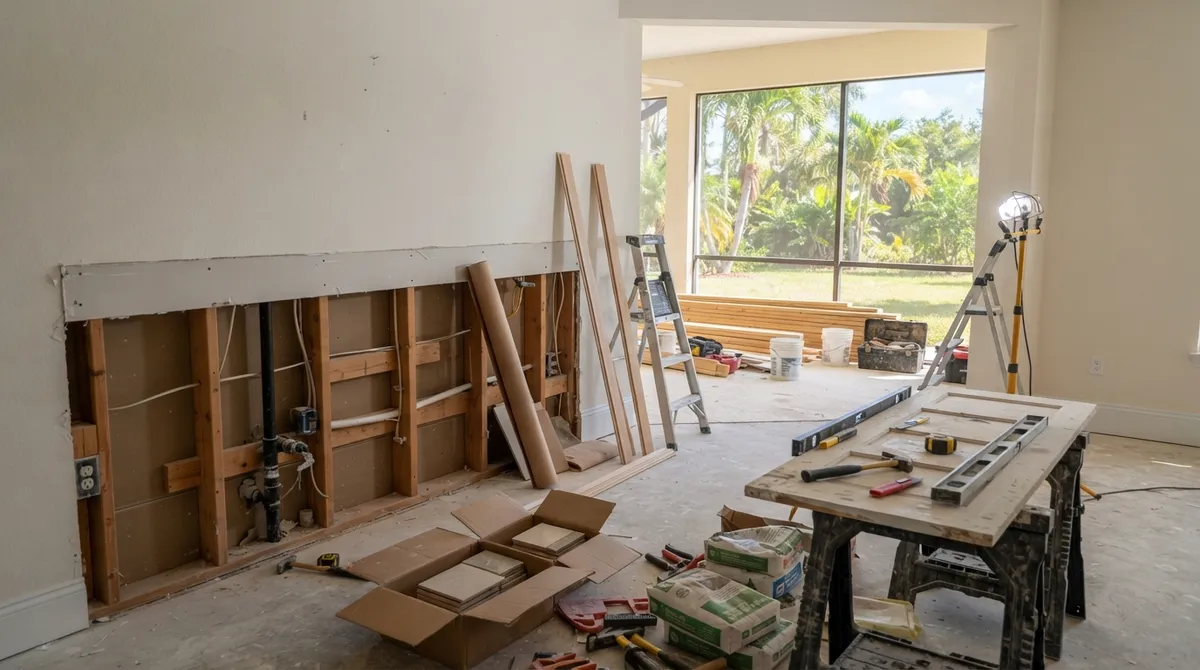
Why Unpermitted Remodels Happen So Often in Florida
Florida's mix of older housing stock, frequent ownership turnover, and a booming renovation market means unpermitted work pops up constantly. Sometimes a previous owner did a quick kitchen or bathroom refresh and assumed it was "just cosmetic." Other times a contractor cut corners to save time. Either way, once cabinets, plumbing lines, electrical fixtures, or drywall get involved, Florida generally expects a permit — even for something that seems minor.
The Florida Building Code does carve out some exemptions, like painting, non-structural flooring, and small drywall patches. But those exemptions are narrow and don't cover code compliance obligations. If you're unsure whether your project falls into an exempt category, checking with your local building department — or using a tool like our Building Department Lookup — is a smart first move.

Step 1: Confirm Whether the Work Actually Needed a Permit
Before panicking, verify the scope of the remodel. Not every home improvement needs paperwork.
- Structural changes (wall removal, additions) almost always require permits.
- Electrical, plumbing, mechanical, and gas work require permits, no exceptions for flood zones.
- Kitchen and bath renovations often need permits once fixtures, plumbing, or electrical systems are altered.
- Minor cosmetic work — paint, non-structural flooring, small cabinetry without new plumbing — is typically exempt.
Florida law does allow some local governments to exempt single-family dwelling work valued under $7,500 from permitting — but this exemption never applies to flood hazard properties, and it excludes electrical, plumbing, structural, or mechanical work entirely. There's also a separate framework letting certain owner-performed additions up to 1,000 square feet (or the size of the primary structure, whichever is smaller) skip permits in some jurisdictions — but adoption varies, so don't assume it applies to you.
Quick Reference: Common Remodel Work & Permit Status
| Remodel Activity | Permit Typically Required? | Notes |
|---|---|---|
| Removing a load-bearing wall | Yes | Requires structural engineering review |
| New kitchen cabinets, no plumbing/electrical changes | Usually No | Cosmetic-only work often exempt |
| Bathroom remodel with new plumbing fixtures | Yes | Plumbing permit required |
| Interior painting | No | Exempt statewide |
| Adding a room or enclosing a porch | Yes | Structural and zoning review needed |
| Replacing flooring (non-structural) | No | Generally exempt |
Step 2: Contact the Local Building Department Before Assuming Anything
This step trips people up the most. Permit rules aren’t uniform across Florida’s 67 counties — what flies in one city might trigger a violation notice in another. Since 1 Contractor Solutions works across every Florida county and has filed in over 400 municipalities, we’ve seen just how different local requirements can be, whether you're in Tampa, St Petersburg, or Bradenton.
Before relying on any exemption, verify directly with the city or county. Flood zone status matters a lot here — if your property sits wholly or partly in a flood hazard area, several standard exemptions simply don't apply. You can start your research using our Open Permit Search tool to check if any permits were ever filed for your address.
Step 3: Pursue an After-the-Fact or Corrective Permit
Once you've confirmed the remodel needed a permit, the path forward is usually an after-the-fact, corrective, or retroactive permit. This process legalizes completed work retroactively — though it comes with its own set of requirements.
- Gather documentation. Photos, contractor invoices, and any existing plans help establish what was done.
- Prepare plans. Many jurisdictions require drawn plans reflecting the current condition, sometimes sealed by a licensed engineer.
- Submit the application. This includes paying regular permit fees plus, in many cases, additional after-the-fact penalty fees.
- Open walls or ceilings if requested. Inspectors may need to verify concealed electrical, plumbing, or structural work.
- Schedule and pass inspections. Trade inspectors will check the corrected work against current code.
- Correct any code violations found. This might mean redoing wiring, adding fire-rated materials, or adjusting egress paths.
This is exactly the kind of process our team handles daily through After The Fact Expired Permits services — preparing corrective applications, coordinating with licensed trades, and scheduling inspections so nothing falls through the cracks.
Typical After-the-Fact Permit Costs and Considerations
| Cost Factor | What Affects It |
|---|---|
| Base permit fee | Based on project valuation, set by local jurisdiction |
| After-the-fact penalty | Often double the standard fee, varies by city/county |
| Engineering/drafting | Required if structural work needs sealed plans |
| Inspection fees | Multiple trade inspections may be required |
| Demolition/opening costs | If concealed work must be exposed for verification |
Step 4: Understand the Real Risks of Leaving It Unpermitted
It's tempting to let sleeping dogs lie, especially if the remodel looks great and nobody's complained. But unpermitted work has a funny way of surfacing at the worst possible time.
- Real estate transactions: Buyers' inspectors or appraisers often catch mismatches between permit records and physical improvements.
- Insurance claims: Insurers may deny or reduce claims tied to areas with unpermitted alterations.
- Refinancing: Lenders sometimes require proof of permitted work before approving a loan.
- Code enforcement: Neighbors, contractors pulling adjacent permits, or routine inspections can trigger a discovery.
- Future permits: Trying to permit a new project can stall out if the department discovers older unpermitted work first.
If you're a realtor navigating a sale with this kind of surprise, our Realtor Closing Support service exists specifically to help resolve these issues before they derail a closing.
Step 5: Bring In Licensed Professionals to Do It Right
Here's where things get a little technical, and honestly, this is where most homeowners and even seasoned contractors benefit from backup. Florida's owner-builder rules require that the property owner take direct responsibility for construction, and simply hiring unlicensed workers or filing a late permit doesn't automatically satisfy state licensing requirements. If structural or MEP systems were altered, you'll likely need sealed engineering drawings.
This is where working with a permitting partner pays off. 1 Contractor Solutions keeps drafting and engineering in house — our own engineers seal structural and MEP documents, so when a plan reviewer flags something, we fix it immediately instead of waiting on an outside consultant. We're also a licensed private provider, meaning we can perform plan review ourselves rather than leaving your file sitting in a county queue. Whether you need Structural Engineering, Mep Engineering, or full Plans Engineering support, having sealed drawings ready speeds up the entire corrective process.
Who Should Get Involved in Legalizing an Unpermitted Remodel
- Licensed engineer: For structural changes, sealed calculations and drawings are typically mandatory.
- Licensed electrician or plumber: Any exposed or altered systems generally need trade-specific sign-off.
- Permit expediter: Someone who knows the local building department's quirks can save weeks of back-and-forth.
- Building department staff: Ultimately, they decide what's required and when the corrective permit closes out.
If you'd like a team to coordinate all of this for you, our Plan Review Coordination and Revisions Resubmittals services handle reviewer comments and resubmissions so you're not stuck chasing paperwork solo.
A Few Extra Tips Before You Get Started
- Don't assume a small project is automatically exempt — always verify with the local building department first.
- If your property is in a flood hazard area, expect stricter rules with fewer exemptions available.
- Keep records of everything — photos, receipts, prior permits — even if the remodel happened years ago.
- Address the issue proactively rather than waiting for a buyer, insurer, or inspector to find it first.
Many general contractors and design professionals we work with — including architects and specialty trades listed under Who We Serve — rely on outsourced permitting support precisely because navigating varying county rules solo can eat up weeks of project time. Whether you're managing a single-family remodel in Cape Coral or a multi-unit project in Fort Lauderdale, having a team that knows local jurisdictions makes a real difference.
Wrapping It Up: You've Got This
Finding out you're dealing with an unpermitted remodel in Florida isn't the end of the world — it's just the start of a process. With the right documentation, the right professionals, and a little patience with your local building department, most unpermitted work can be legalized without drama. Thousands of Florida homeowners, contractors, and realtors navigate this exact situation every year, and most come out the other side with a clean, permitted property and a lot of peace of mind.
If you're feeling overwhelmed or just want an experienced team in your corner, 1 Contractor Solutions has spent 15+ years handling exactly these kinds of situations across all 67 Florida counties. We'll help determine whether your remodel needed a permit, identify the right jurisdiction, prepare corrective applications, and carry the project through to final approval. You can get a free quote today and let us take the paperwork off your plate. Curious what other clients have experienced? Check out how folks describe working with our team — Visit us on Google — 1 Contractor Solutions — or connect with us on follow us on LinkedIn and follow us on Facebook for more permitting tips and updates.
FAQs
Do I need a permit for a remodel in Florida?
In most cases, yes! Florida law requires permits for structural work, electrical, plumbing, mechanical, gas, and anything affecting egress or occupancy. Some minor cosmetic work is exempt, but it's always worth double-checking with your local building department before assuming you're in the clear.
How do I legalize an unpermitted remodel in Florida?
The friendly path forward is usually an after-the-fact or corrective permit through your local building department. You'll typically need plans, possibly sealed engineering drawings, inspections, and payment of standard plus penalty fees — but it's a well-worn process that gets your property back in good standing.
Can I sell a Florida house with unpermitted work?
You can, but it often complicates the sale since buyers, appraisers, and lenders may flag the discrepancy. Many sellers choose to legalize the work beforehand to avoid closing delays, and it genuinely makes the whole transaction smoother for everyone involved.
How much does an after-the-fact permit cost in Florida?
Costs vary by jurisdiction, but expect to pay the standard permit fee plus an after-the-fact penalty, which is often double the base fee. Add in potential engineering, drafting, and inspection costs if structural or MEP systems are involved.
Can unpermitted work affect my homeowners insurance or claim?
Yes, unfortunately it can. Insurers sometimes reduce or deny claims tied to areas with unpermitted alterations, so getting ahead of it with proper permitting can save you a real headache down the road.
We do this work every day across all 67 Florida counties. Call (866) 314-6931 and we will tell you what your situation actually requires — including when you do not need us.
Related services
Permit Facilitation & Filing
You have a crew scheduled, a client asking for dates, and a permit sitting somewhere in a queue you cannot see. We file it, w…
See the servicePlan Review Coordination
A permit in plan review is not one queue. On a commercial project it can be six queues, each with its own reviewer, its own c…
See the serviceReady to get your permit moving?
One call tells you which jurisdiction controls your project, what it will take, and what it will cost. Most of the time we can scope it on the phone.