Permitting
14 After the Fact Permit Miami-Dade Mistakes to Avoid
Avoid these 14 common mistakes when navigating an after the fact permit in Miami-Dade County, from penalties to jurisdiction confusion.

Key Takeaways
-
Current property owners in Miami-Dade are legally responsible for resolving unpermitted work regardless of who performed it, even if a previous owner or contractor skipped the permit years ago.
-
After the fact permits carry a 100% penalty on both the original application and permit fees, plus standard permit, plan review, and inspection fees still apply in full, making budget underestimation a costly mistake.
-
Search Miami-Dade's online permit records before filing to confirm jurisdiction (county vs. municipal) and check for existing open permits, as reopening an old permit can be simpler than starting a new application.
-
Unpermitted work touching electrical, plumbing, structural, mechanical, or gas systems almost always requires full permitting and inspections retroactively, even if the work would have been exempt if originally permitted correctly.
-
Unpermitted work discovered during appraisals or title searches can stall or kill real estate transactions, so resolving compliance proactively before listing prevents transaction delays and closing complications.
-
After the fact permits do not automatically legalize substandard construction; if existing work fails to meet current building code, you may be required to modify or rebuild portions before approval is granted.
If you're staring down an after the fact permit in Miami-Dade, take a breath — you're definitely not alone. Every single week, homeowners, investors, and even seasoned general contractors discover a garage conversion, a water heater swap, or an old screened patio that somehow never got a proper permit. It happens more often than you'd think, and the good news is that it's fixable. But here's the catch: an after the fact permit application is not a simple rubber stamp, and small missteps can turn a straightforward fix into months of frustration and unexpected costs.
At 1 Contractor Solutions, we've guided countless property owners through the Miami-Dade compliance maze, and we've seen the same avoidable mistakes trip people up again and again. So let's walk through the 14 biggest ones together, so you can go into this process with confidence instead of confusion. Whether you're a homeowner, a realtor prepping a listing, or a contractor managing someone else's old paperwork mess, this guide is for you.
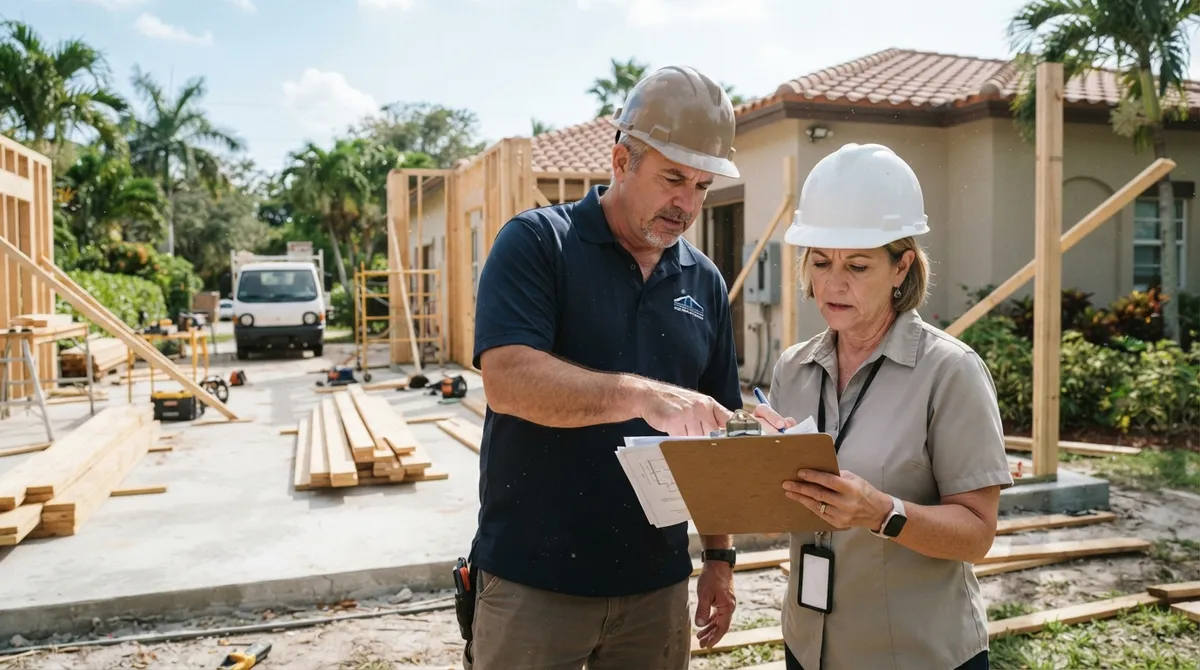
What Is an After the Fact Permit in Miami-Dade, Really?
An after the fact permit is the formal process Miami-Dade County uses when construction or another regulated activity happened without the required permit — whether it was started, finished, or somewhere messy in between. It is not a magic amnesty pass. The work still has to demonstrate compliance with the Florida Building Code, county zoning rules, and any applicable flood or environmental regulations before it can be legalized.
Here's the part that surprises a lot of people: it doesn't matter if you weren't the one who did the unpermitted work. Miami-Dade County places responsibility for correcting the issue squarely on the current property owner, even if a previous owner or a contractor from years ago is the one who skipped the permit. That's mistake number one waiting to happen, so let's dig into all 14.

14 Mistakes to Avoid When Handling an After the Fact Permit
1. Assuming the Previous Owner's Mistake Isn't Your Problem
This is the single most common misconception we hear. Even if you had nothing to do with the original unpermitted work, Miami-Dade County holds the current owner responsible for bringing the property into compliance. If you just bought a home with a suspicious addition, it's now yours to resolve.
2. Skipping the Permit History Search
Before you file anything, search Miami-Dade's online records for open master permits by address or open permits by folio number. Sometimes what looks like unpermitted work is actually an old permit that was never finalized — and reopening or reissuing that existing permit can be far simpler than starting an entirely new after the fact application.
3. Not Confirming the Correct Jurisdiction
Miami-Dade County handles permitting for unincorporated areas, but cities like Miami, Miami Beach, Hialeah, and Coral Gables run their own building departments with their own fee schedules and procedures. Filing with the wrong authority wastes time and can delay your compliance timeline significantly. Our Building Department Lookup tool is a great first stop before you file anything.
4. Underestimating the Documentation Required
An after the fact application typically requires far more than a simple form. Depending on what's concealed behind walls or under flooring, you may need as-built drawings, surveys, engineering calculations, product approvals, photographs, and even exploratory demolition to expose hidden systems for inspection.
5. Forgetting About Structural, Electrical, and Plumbing Systems
Permit exemptions generally don't apply retroactively. Work touching electrical, plumbing, mechanical, structural, or gas systems almost always falls under standard permitting requirements, even if a similar project would have been exempt if done correctly the first time.
6. Not Budgeting for the 100% Penalty
Miami-Dade's published fee schedule imposes a penalty equal to 100% of the original application fee plus 100% of the original permit fee for work discovered after the fact. On top of that, your standard permit, plan-review, impact, and inspection fees still apply in full.
7. Overlooking Administrative Enforcement Costs
If the county has issued an official administrative order to correct the issue before you achieve compliance, expect an additional $100 departmental administrative enforcement cost for each order. Commercial and corporate entities can face even steeper penalties if they have a history of prior after the fact permits.
| Fee or Penalty Type | Amount |
|---|---|
| After the fact penalty (application + permit fee) | 100% additional charge on each |
| Administrative enforcement cost per order | $100 per official order |
| Standard permit, plan review, and inspection fees | Still applicable in full |
| Commercial/corporate repeat offender penalty | Additional charge based on prior history |
8. Assuming Code Relief Applies to Your Project
Miami-Dade County's Code Relief program is a separate pathway, but it only applies to projects that commenced before March 1, 2002. If your unpermitted work happened more recently, you'll need to go through the standard after the fact permitting and enforcement process instead.
9. Not Preparing for Invasive Inspections
Depending on the scope of hidden work, inspectors may require you to open walls, remove finishes, or expose framing to verify compliance. It's uncomfortable, but it's often necessary — and trying to avoid it usually just delays your approval further.
10. Ignoring the Effect on Sales and Refinancing
Unpermitted work discovered during a title search or appraisal can stall or kill a real estate transaction. Realtors and buyers alike should treat an open or missing permit as a red flag that needs resolution before closing, not after. Our Realtor Closing Support service exists specifically for this scenario.
11. Hiring the Wrong Contractor for the Job
A licensed contractor absolutely can pull an after the fact permit for work completed by a previous owner or a different contractor, but not every contractor wants to take on that liability. Make sure whoever you hire is comfortable navigating engineering documentation, exploratory work, and reviewer scrutiny.
12. Believing a Permit Automatically Legalizes Substandard Work
An after the fact permit does not rubber-stamp non-compliant construction. If the existing work doesn't meet current building code, you may be required to modify, reinforce, or even remove and rebuild portions of it before approval is granted.
13. Delaying Action After Receiving a Violation Notice
Once Miami-Dade discovers unpermitted construction — often through a neighbor complaint, an aerial inspection, or a routine inspection for something else — the clock starts ticking. Waiting only adds administrative enforcement costs and increases the risk of a lien or stop-work order.
14. Trying to Navigate the Process Completely Alone
This is genuinely complex work involving jurisdiction verification, engineering, plan review coordination, and inspection scheduling. A permitting professional can guide you through each stage, prepare sealed as-built plans, and coordinate with licensed contractors and engineers — though it's important to know that professional help doesn't waive penalties or guarantee approval.

How the Process Generally Works
While every property is different, here's the general sequence most after the fact permit cases follow in Miami-Dade:
- Research the property's permit history using the county's open permit and folio search tools
- Confirm whether the property falls under county or municipal jurisdiction
- Prepare or obtain as-built drawings and any required engineering documentation
- Submit the after the fact application along with supporting documents
- Respond to plan review comments and make revisions as needed
- Schedule and pass required inspections, which may include exploratory work
- Pay all applicable fees, including the after the fact penalty
- Receive final approval and permit closeout
Residential vs. Commercial: How Penalties Differ
| Factor | Residential Property | Commercial/Corporate Entity |
|---|---|---|
| Base after the fact penalty | 100% of application and permit fee | 100% of application and permit fee |
| Repeat violation penalty | Not typically escalated | Additional penalty for prior after the fact permits |
| Documentation complexity | Moderate, depending on scope | Often higher due to occupancy and use requirements |
| Typical inspection scope | Structural, electrical, plumbing | May include fire, life safety, and accessibility |
Why Working with a Permitting Team Makes a Difference
Handling an after the fact permit in Miami-Dade touches nearly every discipline in the permitting world — jurisdiction research, drafting, structural and MEP engineering, plan review coordination, and inspection scheduling. That's exactly the kind of work our After The Fact Expired Permits team handles daily across Miami-Dade County and beyond.
Because our drafting and engineering departments work in house, when a reviewer flags an issue with your as-built plans, we fix it immediately rather than waiting on an outside consultant. We also offer Private Provider Inspections, which can help move your case along faster than waiting solely on the county's inspection queue. For general contractors managing multiple properties, our General Contractors support page outlines how we plug into your existing workflow, and homeowners can find tailored guidance on our Homeowners page.
We also frequently support solar companies who discover legacy unpermitted electrical work during a new installation, and real estate professionals who need fast, accurate answers before a closing deadline. If you'd like to see how other property owners across Florida have navigated similar situations, follow us on LinkedIn or follow us on Facebook for regular updates and permitting tips.
A Few More Things Worth Knowing
- Permit and inspection fees can typically be paid online or in person at the county's Permitting and Inspection Center
- Exploratory demolition may be required if inspectors can't verify compliance through visual inspection alone
- Older structures may qualify for the Code Relief program, but only if construction began before March 1, 2002
- Municipalities within Miami-Dade often have separate fee schedules from the county, so always verify before assuming county rules apply
- Working with a private provider for plan review can sometimes shorten your overall timeline
For additional context on how Florida's broader permitting framework works, resources from the Florida Building Commission can be a helpful supplement to county-specific guidance, alongside general consumer protection information from the Federal Trade Commission on hiring contractors and avoiding costly renovation mistakes.
Ready to Resolve Your Miami-Dade Permit Situation?
Unpermitted work doesn't have to feel like a ticking time bomb hanging over your property. With the right documentation, the right jurisdiction confirmed, and an experienced team handling the details, most after the fact permit situations in Miami-Dade can be resolved without unnecessary stress or surprise costs. If you're ready to stop guessing and start solving this the right way, our team would love to walk through your specific situation with you — get a free quote today and let's get your property back into full compliance. You can also visit us on Google — 1 Contractor Solutions to see how we've helped property owners just like you across Miami-Dade and the rest of Florida.
FAQs
How do I get an after the fact permit in Miami-Dade County?
You'll want to start by researching the property's permit history, confirming whether county or city jurisdiction applies, then submitting an application with as-built drawings and any required engineering documents. It sounds like a lot, but working through it step by step (or with a permitting team by your side) makes it much more manageable!
How much does an after the fact permit cost in Miami-Dade?
Beyond your standard permit and plan review fees, Miami-Dade adds a penalty equal to 100% of the original application fee and 100% of the original permit fee. If administrative orders were issued along the way, add $100 per order on top of that.
Can I sell or refinance a Miami-Dade property with unpermitted work?
It's definitely trickier — unpermitted work often surfaces during title searches or appraisals and can delay or derail a closing. The good news is that resolving it proactively before listing usually saves everyone a lot of headaches down the road.
Does Miami-Dade County's Code Relief program apply to my property?
Only if your construction project commenced before March 1, 2002. Anything newer will need to go through the standard after the fact permitting and enforcement process instead.
Can a licensed contractor obtain an after the fact permit for work done by a previous owner?
Yes, absolutely! A licensed contractor can take on this responsibility even if they weren't involved in the original unpermitted work. Just make sure they're experienced with as-built documentation and comfortable navigating potential exploratory inspections.
We do this work every day across all 67 Florida counties. Call (866) 314-6931 and we will tell you what your situation actually requires — including when you do not need us.
Related services
Permit Facilitation & Filing
You have a crew scheduled, a client asking for dates, and a permit sitting somewhere in a queue you cannot see. We file it, w…
See the servicePlan Review Coordination
A permit in plan review is not one queue. On a commercial project it can be six queues, each with its own reviewer, its own c…
See the serviceReady to get your permit moving?
One call tells you which jurisdiction controls your project, what it will take, and what it will cost. Most of the time we can scope it on the phone.