
Blog
11 Things to Know About 40 Year Recertification Bradenton
Own a Bradenton condo? Learn how Florida's milestone inspection works, who is covered, key deadlines, and how to handle repair permits in 2026.
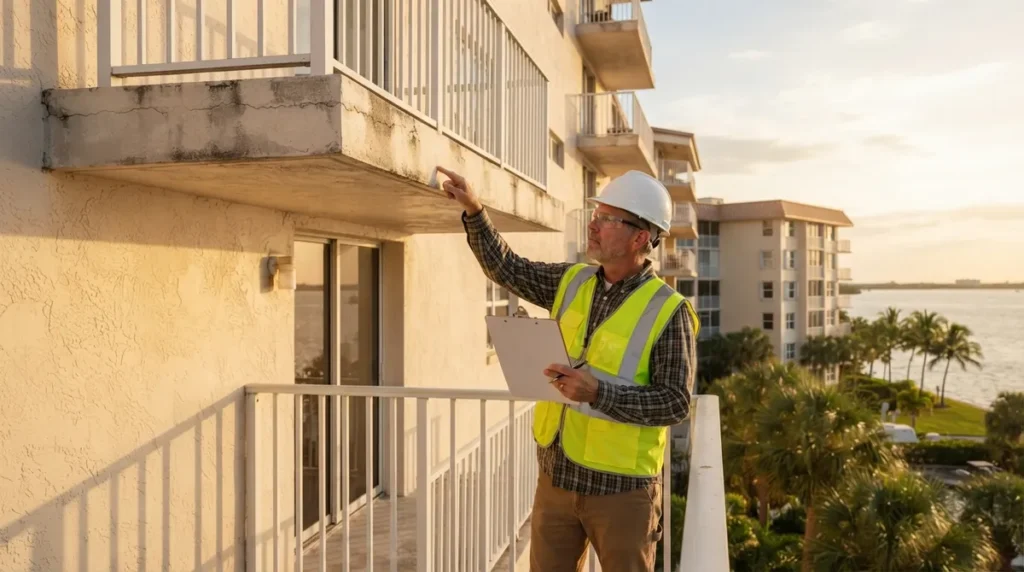
Key Takeaways
-
The "40 year recertification" is an informal nickname; the actual statewide program for qualifying condo and co-op buildings is the milestone inspection under Florida Statute §553.899.
-
Single-family, two-family, and three-family dwellings with three or fewer habitable stories are generally not covered by this statute, though other local rules may apply.
-
The inspection deadline is calculated from the certificate of occupancy date: generally by December 31 of the year the building reaches 30 years, then every 10 years.
-
Local enforcement agencies can set an earlier first inspection at 25 years based on factors like proximity to salt water, so confirm your local schedule with the building official.
-
Before scheduling anything, confirm whether your property is in the City of Bradenton or unincorporated Manatee County, since that determines which office handles your reports and permits.
-
A Florida-licensed architect or engineer must perform the inspection, and the association is responsible for arranging, paying for it, and meeting deadlines, so budget early to avoid booking delays.
If you own or manage an older building in Bradenton, you have probably heard someone say it is time for the "40 year recertification." Maybe a neighbor mentioned it, maybe your association board brought it up, or maybe a lender asked about it. Either way, it can feel like a mystery with a ticking clock attached.
Here is the good news: once you understand how it works, it is very manageable. The tricky part is the terminology. The 40 year recertification Bradenton owners talk about is a common nickname, but Florida's current statutory program for qualifying condominium and cooperative buildings is called the milestone inspection. The rules, deadlines, and who is covered are different from what many people assume.
In this friendly guide, we will walk through 11 things every Bradenton owner, board member, contractor, and real estate professional should know in 2026. We will cover who is affected, how deadlines are calculated, what the inspection includes, and how to move from inspection to repair permits without unnecessary stress.
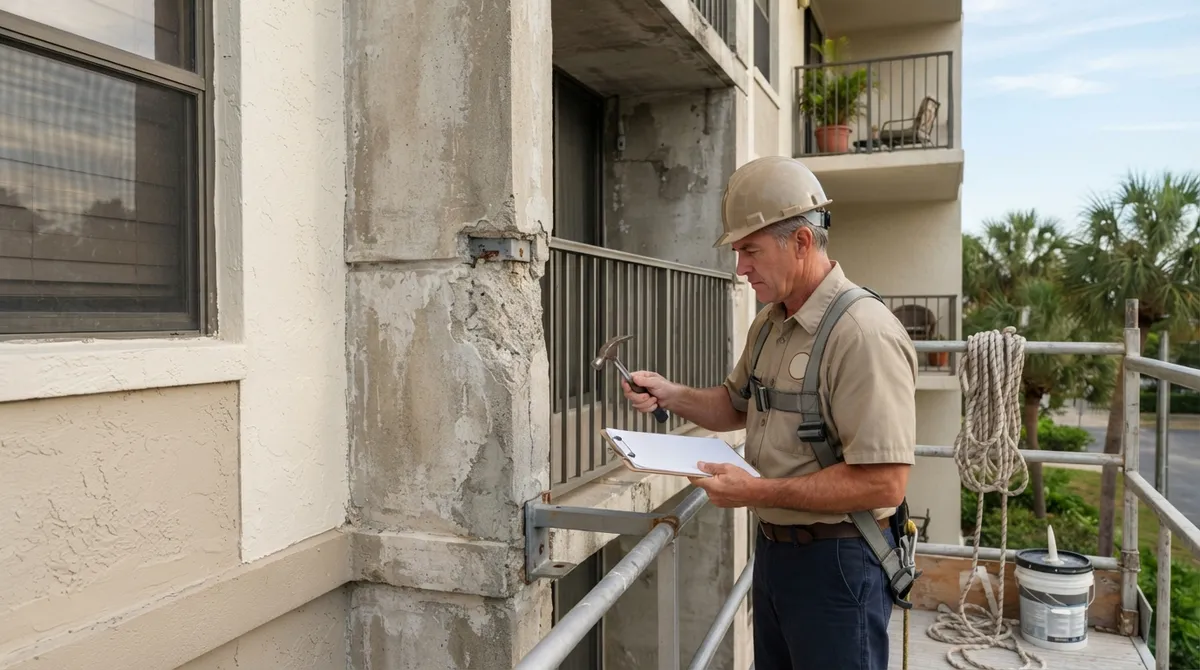
1. "40 Year Recertification" Is a Nickname, Not the Current Statute
Let's clear up the biggest source of confusion first. "40 year recertification" is a popular, informal phrase. Many people still use it because older South Florida programs were built around a 40-year mark.
For qualifying condominium and cooperative buildings, the statewide framework today is the milestone inspection under Florida Statute §553.899 (2026). It is not a universal inspection requirement for every building that happens to be 40 years old.
So when someone asks about a 40 year recertification in Bradenton, the useful question is: does this building qualify under the milestone inspection program, and what schedule applies to it? Our 40 year recertification and milestone inspection support page explains how we help owners sort that out.
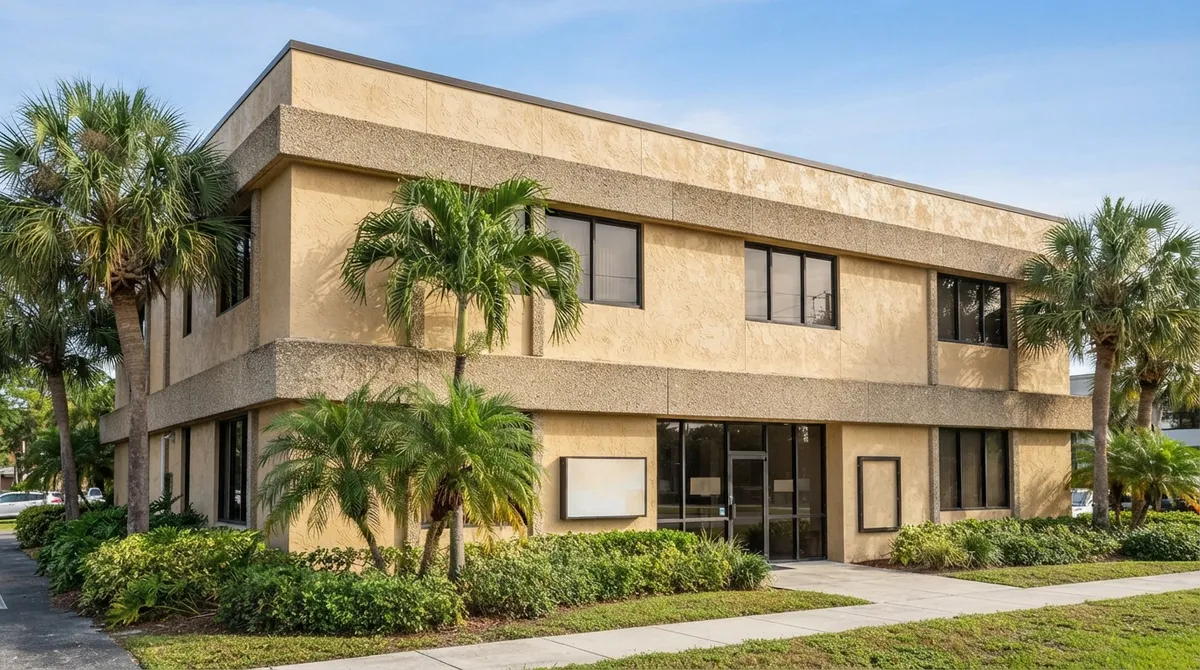
2. Not Every Older Building Is Covered
This one surprises people. The statutory milestone inspection requirement applies to qualifying condominium and cooperative buildings. It does not apply under this section to single-family, two-family, or three-family dwellings with three or fewer habitable stories above ground.
That means a classic Bradenton ranch home, a duplex, or a small triplex is generally not covered by this particular statute. Other local or building-specific inspection requirements may still apply, so it is always smart to confirm with the building official.
Here is a quick snapshot of who is typically in and out:
| Property Type | Covered by Milestone Inspection? | Notes |
|---|---|---|
| Condo or co-op, 3+ habitable stories | Generally yes | Schedule depends on certificate of occupancy date |
| Single-family home, 3 or fewer stories | No, not under this section | Other local rules may apply |
| Two-family or three-family dwelling, 3 or fewer stories | No, not under this section | Confirm with local building official |
| Commercial or mixed-use building | Verify individually | Local requirements may differ |
3. The Statutory Height Threshold Is Three Habitable Stories
Under Florida Statute §553.899 (2026), qualifying residential condominium and cooperative buildings that are three habitable stories or more generally fall into the milestone inspection program. Height is one of the first checkpoints when you are figuring out whether your building is in scope.
If your building sits right at the edge, such as a low-rise with a partial third level, do not guess. Ask the building official or have a professional review the as-built conditions and records.
4. Your Deadline Is Based on the Certificate of Occupancy Date
Many owners assume the clock starts when construction began. It does not. Age is calculated from the certificate-of-occupancy date, not simply the date the building was constructed.
For qualifying buildings, the first milestone inspection is generally due by December 31 of the year the building reaches 30 years of age, and then every 10 years after that. That is why a Bradenton building that is 40 years old may already be on its second cycle rather than facing its first inspection.
If you cannot locate your certificate of occupancy, that is a very common hurdle. We can help research records, and our certificate of occupancy services can help when documentation is missing or unclear.
5. Coastal Proximity Can Move the Schedule Earlier
Bradenton sits near the Gulf, and salt air is tough on structures. A local enforcement agency may set an earlier first inspection at 25 years based on local circumstances, including proximity to salt water.
The available sources do not establish a separate Bradenton-specific 40-year rule. That is exactly why you should confirm the applicable schedule and jurisdiction with the building official serving your property rather than relying on word of mouth.
| Scenario | Typical First Inspection | Repeat Cycle |
|---|---|---|
| Standard qualifying building | By December 31 of the year it reaches 30 years | Every 10 years |
| Local agency sets earlier schedule (for example, near salt water) | As early as 25 years | Every 10 years, per local schedule |
| Building not covered by this statute | Not applicable under this section | Check local requirements |
6. First, Figure Out Whether You Are in the City or the County
Here is a practical tip that saves a lot of phone tag. Before you schedule anything, determine whether your property is inside the City of Bradenton or in unincorporated Manatee County. Mailing addresses can say "Bradenton" even when the property is under county jurisdiction.
Why does it matter? The authority with jurisdiction receives your reports, handles your repair permits, and can tell you the schedule that applies. Manatee County's Building Inspections Division lists 941-742-4190, and its Permitting Section lists 941-748-4501, extension 3800. Contact details and submission procedures change, so verify them before filing.
You can use our building department lookup tool to help identify the right office. For local context, see our pages for Bradenton and Manatee County.
7. A Licensed Architect or Engineer Performs the Inspection
This is not a do-it-yourself walkthrough, and it is not something a general handyman can sign off on. A Florida-licensed architect or engineer performs the milestone inspection.
The association is responsible for arranging and paying for the inspection and for meeting applicable deadlines. For board members, that means budgeting early and not waiting until the last quarter of the year when professionals get booked up.
It is also worth being clear about roles. A permitting service does not replace the required licensed architect or engineer. What we do is support the process around them, from records to coordination to permits. Learn more about our engineering services and structural engineering capabilities.
8. Phase One and Phase Two: What the Inspection Actually Includes
The milestone inspection happens in up to two phases, and understanding them takes a lot of the fear out of the process.
Phase One
Phase one is a visual examination of habitable and nonhabitable areas and major structural components, with a qualitative assessment of structural condition. Think of it as a careful, professional look at the building's overall health.
Phase Two
If substantial structural deterioration is found, phase two is required. It may include destructive or nondestructive testing to better understand what is going on inside the structure.
Phase one must be completed within 180 days after the owner or owners receive the local enforcement agency's written notice. Confirm the current statutory text and any applicable notice details, since requirements can be updated.
- Receive written notice from the local enforcement agency, where applicable.
- Hire a Florida-licensed architect or engineer.
- Complete the phase-one visual examination within the required window.
- If substantial structural deterioration is found, proceed to phase two testing.
- Receive the sealed report and the separate summary of findings.
- Submit documents to the association and the local building official.
9. The Report Goes to Two Places
After the inspection, the architect or engineer submits a sealed report and a separate summary of material findings and recommendations. These go to the association and to the local building official.
That summary is important. It gives the board a clear, readable view of what needs attention, which makes budgeting and owner communication much easier. Keep copies of everything in an organized file, because lenders, insurers, and buyers may ask for it later.
For associations juggling lots of paperwork, our permit facilitation and filing team can help organize inspection documentation so nothing gets lost between offices.
10. Repairs Usually Mean Permits, and Sometimes Older Problems Surface
Here is where permitting really enters the picture. If the inspection recommends repairs, the work may require separate permits and inspections. Concrete restoration, structural repairs, railings, electrical updates, and roofing items can all trigger permit requirements.
Sometimes the inspection also uncovers older issues, like prior work that was never permitted or permits that expired years ago. Those can be fixed, and it is better to address them proactively. We help with after-the-fact and expired permits as well as code compliance violations.
You can also check for loose ends with our open permit search tool before repair work begins. Starting with a clean permit history makes everything smoother.
Contractors and design professionals working on repair scopes may also want sealed documentation. Our plans and engineering team prepares drawings with in-house sealed engineering, and we offer plan review coordination and revisions and resubmittals if reviewers send comments.
11. A Good Permitting Partner Keeps Everyone Moving
Whether you are a board member, a general contractor, a realtor, or a homeowner in a qualifying building, the process has a lot of moving parts. A permitting partner can confirm jurisdiction and records, coordinate with the licensed professional, organize documentation, and handle repair permit applications.
Different readers benefit in different ways:
- General contractors: faster repair permits and fewer resubmittals once the engineer's recommendations are in hand.
- Realtors and investors: clearer answers about inspection status and permit history before a closing, supported by our realtor and closing support.
- Homeowners and unit owners: plain-English guidance and a single point of contact, with tailored help for homeowners.
- Design and trade professionals: dependable outsourced drafting and permit administration without adding staff.
1 Contractor Solutions serves all 67 Florida counties with same-day response and in-house sealed drawings, so we are comfortable stepping in wherever you are in the process. If you would like to learn more about who we are, visit our About page or follow us on LinkedIn and follow us on Facebook for updates.
Quick Reference: Your Bradenton Action Checklist
- Confirm whether your building qualifies (condo or co-op, three or more habitable stories).
- Locate your certificate of occupancy date to calculate your deadline.
- Determine whether you are in the City of Bradenton or unincorporated Manatee County.
- Call the building official to confirm your schedule, including any earlier coastal timeline.
- Hire a Florida-licensed architect or engineer.
- Submit the sealed report and summary as required.
- Plan, budget, and permit any recommended repairs.
Ready to Take the Stress Out of Your Inspection Timeline?
The 40 year recertification Bradenton buildings are often asked about does not have to be a scramble. Confirm your jurisdiction, understand your milestone schedule, bring in the right licensed professional, and line up permits for any repairs before work begins. A little planning now keeps your association compliant and your residents safe.
If you want a helping hand, we would love to hear from you. You can get a free quote and talk through your building's situation with our team. Prefer to see what neighbors say first? Visit us on Google — 1 Contractor Solutions to read reviews from customers we have served.
For official statutory language, you can always review Florida Statute §553.899 on the Florida Senate website. Always verify current requirements with your local building official before making decisions.
FAQs
Does a 40-year-old condo in Bradenton need a recertification inspection?
Not automatically under a "40-year" rule. Florida's current statutory program for qualifying condominium and cooperative buildings is the milestone inspection, which generally starts by December 31 of the year a building reaches 30 years (or 25 if the local agency sets an earlier schedule) and repeats every 10 years. A 40-year-old qualifying building may already be on its second cycle, so confirm your schedule with the building official.
What is the difference between the 40-year recertification and a milestone inspection?
"40-year recertification" is an informal nickname many people still use, while the milestone inspection is the current statutory program under Florida Statute 553.899 for qualifying condominium and cooperative buildings. The milestone inspection uses a certificate-of-occupancy-based schedule and a two-phase process led by a licensed architect or engineer.
Who performs and pays for a milestone inspection in Florida?
A Florida-licensed architect or engineer performs the inspection, and the association is responsible for arranging and paying for it and for meeting the applicable deadlines. A permitting service can help with records, coordination, and repair permits, but it does not replace the licensed professional.
Where do I submit a milestone inspection report or repair permit in Bradenton?
First determine whether your property is in the City of Bradenton or unincorporated Manatee County, then contact the authority with jurisdiction. Manatee County's Building Inspections Division lists 941-742-4190 and its Permitting Section lists 941-748-4501, extension 3800, but verify current contacts and submission procedures before filing.
We do this work every day across all 67 Florida counties. Call (866) 314-6931 and we will tell you what your situation actually requires — including when you do not need us.
Related services
Permit Facilitation & Filing
You have a crew scheduled, a client asking for dates, and a permit sitting somewhere in a queue you cannot see. We file it, w…
See the servicePlan Review Coordination
A permit in plan review is not one queue. On a commercial project it can be six queues, each with its own reviewer, its own c…
See the serviceReady to get your permit moving?
One call tells you which jurisdiction controls your project, what it will take, and what it will cost. Most of the time we can scope it on the phone.