
Blog
Does Florida Require Product Approvals for Old Roofs?
Wondering if Florida requires product approvals for after the fact roofing? Here's what building departments really look for before approval.
Key Takeaways
-
Florida requires roofing products to carry product approval under Florida Statutes § 553.842, and this requirement applies to already-installed roofs; after-the-fact permits are not guaranteed and are decided locally, county by county.
-
After-the-fact roofing permits are difficult because concealed details like deck condition, underlayment type, nailing pattern, and fastener spacing cannot be inspected once the roof is complete, making verification nearly impossible for many jurisdictions.
-
Product approval numbers alone do not guarantee code compliance; the approved system's design pressure rating, components, and installation method must match exactly what is physically installed, or applications will stall.
-
Acceptable documentation pathways include statewide product approval, engineer-sealed letters, testing lab reports, evaluation reports, or local building official approval; a sealed engineer letter can sometimes substitute for missing product approval numbers.
-
Before applying for an after-the-fact permit, contact your specific jurisdiction's building department to confirm whether it accepts such applications, which code edition applies, and what exact documentation or inspections will be required.
-
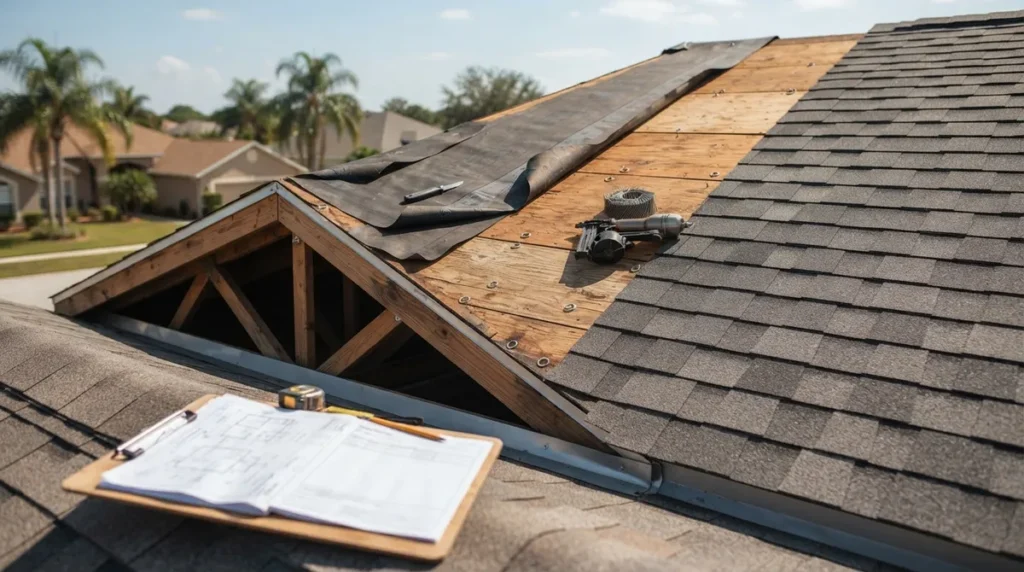
If a roof cannot be verified, counties may require partial roof removal for inspection, a licensed roofing contractor's sworn evaluation, a structural engineer's sealed assessment, or in rare cases, complete roof replacement under a new permit.
So your roof is already on the house, the shingles look great, and now someone—maybe a buyer's inspector, maybe a lender, maybe your own conscience—is asking whether it was ever permitted. If you're wondering whether Florida requires product approvals for after the fact roofing, you're asking exactly the right question, and honestly, we're glad you're asking it before you're standing in front of a building official trying to explain a roof nobody signed off on. Let's walk through this together, friend to friend, contractor to contractor, or homeowner to homeowner.
The short answer is yes, generally. Florida's building code requires roofing products and systems to carry applicable product approval, and that requirement doesn't magically disappear just because the roof is already nailed down. But here's the part that trips up a lot of well-meaning people: getting an after the fact permit approved isn't just a paperwork exercise. It's a local decision, made county by county, and sometimes it's a much bigger lift than anyone expects.
What Florida Law Actually Says About Roofing Product Approval
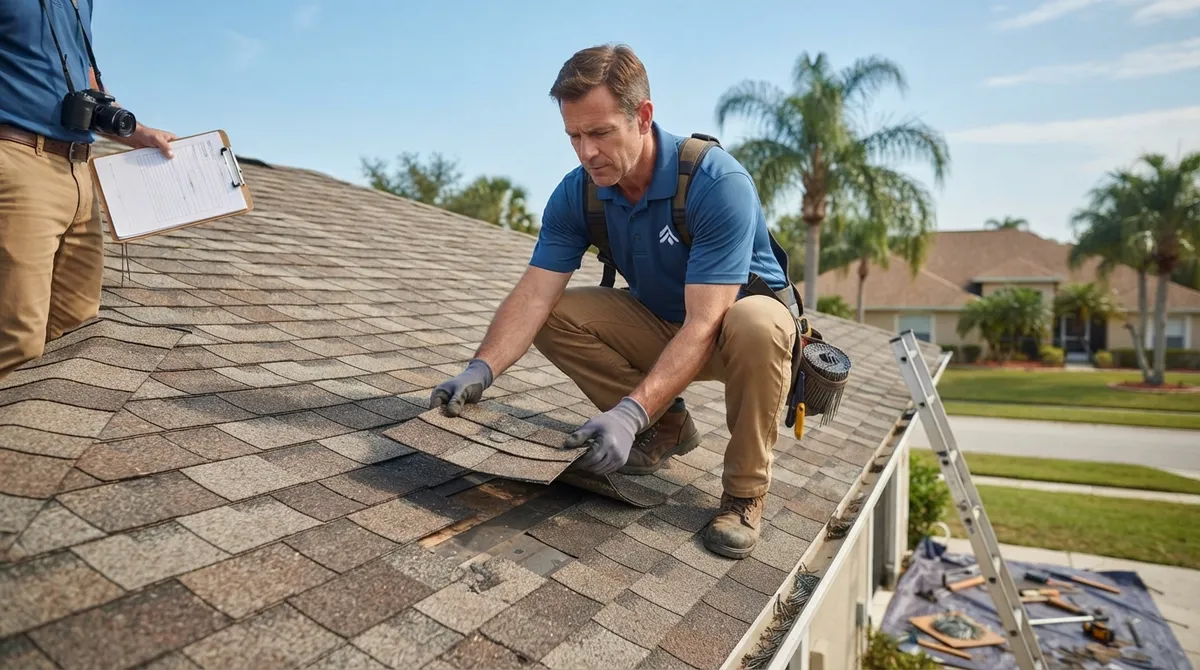
Florida Statutes § 553.842 is the backbone of this whole conversation. This statute sets up the statewide product approval system, and roofing is specifically named as one of the product categories that must go through it. That means shingles, tile, metal panels, underlayment, and the fasteners holding it all together generally need documented approval showing they meet the wind-load and weather requirements of the Florida Building Code.
Right now, Florida operates under the 2023 Florida Building Code, 8th Edition, which became effective December 31, 2023. If your roof went on before that date, the code edition that applied at the time of installation might matter, and your local building department will tell you which edition governs your specific situation. This isn't a one-size-fits-all answer, which is why we always recommend checking with the Building Department Lookup tool before assuming anything.
The Approval Pathways You Should Know
Florida doesn't force everyone through a single door. The statute lays out several acceptable methods:
- Statewide product approval through the Florida Building Code product approval system
- Qualifying certification or listing from a recognized agency
- Testing laboratory reports confirming the product meets code
- Product evaluation reports from an approved evaluation entity
- Reports signed and sealed by a Florida-licensed architect or engineer
- Local building official approval for local use, in some jurisdictions
So if you're missing the classic product approval number, all hope isn't lost. A sealed engineer letter or evaluation report can sometimes fill that gap, depending on what your local building department is willing to accept.
Why After the Fact Roofing Permits Are Trickier Than They Sound
Here's the honest truth, and we say this with a lot of empathy because we've walked plenty of homeowners and contractors through this exact situation: an after the fact permit is not a guaranteed rubber stamp. The local building department decides whether it will even accept your application, and what it needs to see before it says yes.
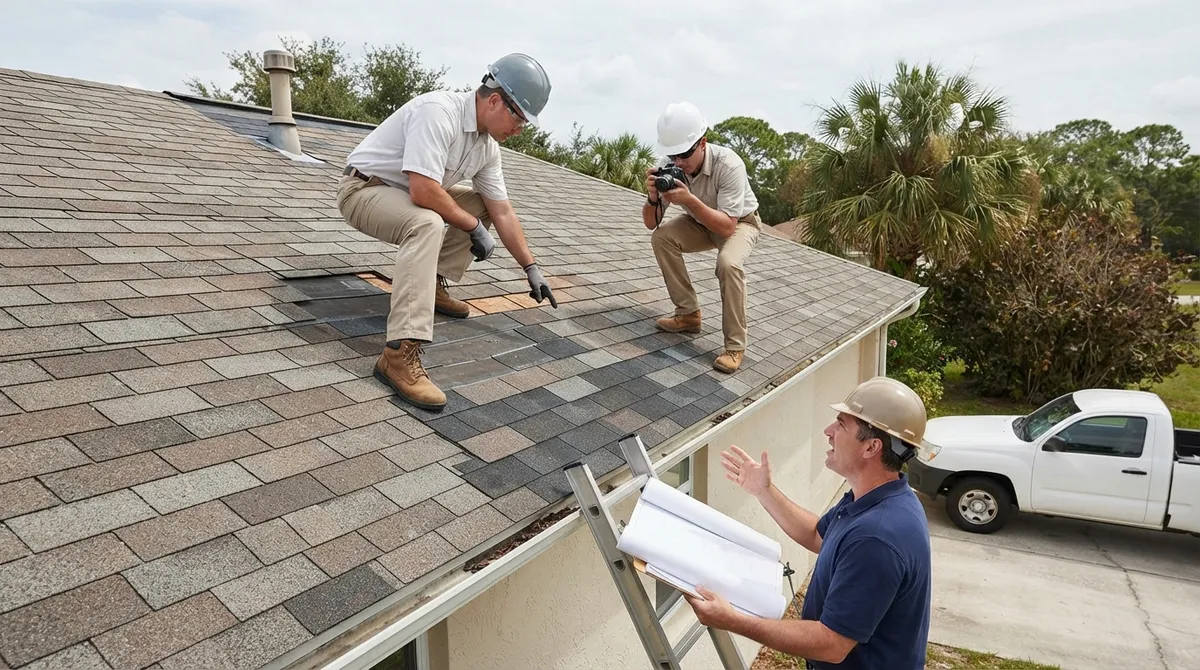
The tricky part with roofing specifically is that so much of the important stuff gets covered up. Deck condition, underlayment type, nailing pattern, fastener spacing—these are the details inspectors normally check before the shingles go on. Once the roof is finished, that evidence is literally buried under the new roofing material.
Alachua County's own reroof checklist is refreshingly candid about this. It states plainly that the county cannot issue a permit for a completed roof when those concealed details can't be verified, and it recommends bringing in a licensed roofing contractor for an evaluation instead. Other counties, like St. Lucie, have published standard operating procedures for roof and reroof inspections that spell out exactly what inspectors are looking for at each stage—which tells you just how granular these requirements can get.
What Documentation Might Be Requested
If your jurisdiction is willing to consider an after the fact application, here's what it may ask you to provide:
- Product approval numbers or evaluation reports for the roof covering and related components
- Manufacturer installation instructions matching what was actually installed
- Contractor invoices, work orders, or documentation from the original installer
- Photographs taken during installation, if any exist
- Engineering reports or structural assessments confirming the roof meets code
- Access for a physical inspection, where feasible
Notice how much of that list depends on things that should have been documented during installation. This is exactly why we tell general contractors and roofing companies: keep your paper trail. Every invoice, every photo, every product approval printout is worth its weight in gold if a permit question ever comes up later.
Product Approval Numbers Aren't a Magic Password
Here's something a lot of people don't realize, and it genuinely surprises folks the first time we explain it: having a Florida Product Approval number for a shingle or tile doesn't automatically mean your roof is code compliant. The approved system, its limitations, its design pressure rating, and the installation method all have to match what's actually on your roof.
Think of it this way. A product approval is like a recipe that's been tested and proven safe. But if you swap ingredients, change the oven temperature, or skip a step, the fact that the original recipe was approved doesn't help you much. Local building departments often compare submitted approval documents line by line against the actual installed products and details, so a mismatch can stall your application fast.
| Documentation Type | What It Verifies | Commonly Accepted By |
|---|---|---|
| Florida Product Approval Number | Roofing material meets statewide wind and weather standards | Most Florida jurisdictions |
| Engineer Letter or Sealed Report | Installation and structural compliance when product approval alone isn't enough | Many counties, especially for older or nonstandard roofs |
| Manufacturer Installation Guide | Confirms fastening pattern, underlayment, and design pressure match approval | Nearly all reviewing authorities |
| Contractor Invoices and Photos | Timeline and materials actually used during the job | Helpful supporting evidence, not always sufficient alone |
Steps to Take Before You Apply
We know this can feel overwhelming, especially if you're a homeowner who just found out your reroof from a few years back was never permitted, or a realtor trying to close a sale before a deadline slips away. Take a breath. Here's a sensible order of operations:
- Contact the building department for the property's specific jurisdiction and ask directly whether it accepts after the fact roofing applications
- Ask which code edition applies based on when the roof work was actually performed
- Request a clear list of what documentation, inspections, or testing will be required
- Gather every piece of paperwork you can find—invoices, contracts, photos, product literature
- Consider having a licensed roofing contractor or design professional evaluate concealed conditions
- If product approval paperwork is missing or doesn't match, explore whether an engineer letter can bridge the gap
This is exactly the kind of situation where working with a team that handles After The Fact Expired Permits day in and day out makes a real difference. We've seen the full range, from straightforward approvals to roofs that needed partial removal for inspection, and we know which counties tend to be flexible and which ones hold a hard line.
When Roof Permits Overlap With Other Issues
Sometimes an unpermitted roof surfaces alongside other complications, like an expired original permit, a pending real estate closing, or a broader code compliance question. If you're a realtor or investor trying to move a sale forward, our Realtor Closing Support team can help untangle roofing issues before they derail a closing date. And if the roof is just one piece of a bigger puzzle involving a 40-year recertification, our 40 Year Recertification service covers that ground too.
How This Plays Out Across Different Florida Counties
We work across all 67 Florida counties, and if there's one thing 15-plus years in this business has taught us, it's that no two building departments handle after the fact roofing the exact same way. A jurisdiction in Miami Dade County, which follows the High Velocity Hurricane Zone rules, may scrutinize product approval matching far more tightly than a smaller inland county. Meanwhile, Pinellas County and Hillsborough County each have their own reroof checklists and expectations for documentation.
If your property sits in Manatee County, or in growing coastal areas like Lee County or Charlotte County, wind-borne debris zones can add another layer of product approval scrutiny since roofing there faces stricter design pressure requirements. This is precisely why guessing isn't a great strategy. A quick jurisdiction check saves everyone a lot of frustration down the road.
What Happens If the Roof Simply Can't Be Verified
Sometimes, despite everyone's best efforts, a building department determines it genuinely cannot verify concealed roofing details. In these cases, options may include:
- Removing a portion of the roofing to expose underlayment and decking for inspection
- Hiring a licensed roofing contractor to provide a sworn evaluation report
- Bringing in a structural engineer to assess the roof assembly and issue a sealed letter
- In rare cases, replacing the roof entirely under a new, properly permitted application
None of these are fun conversations to have, but they're far better than discovering the problem during a home sale or an insurance claim dispute. We'd rather help you get ahead of it now than watch a deal fall apart later.
Why Working With Permitting Professionals Pays Off
At 1 Contractor Solutions, we've built our reputation on being the team people call when a permit situation feels stuck. Our in-house engineering department means that when a reviewer flags a product approval mismatch, we can respond with sealed documentation quickly instead of waiting on an outside consultant. As a licensed private provider, we can also perform plan review ourselves in many jurisdictions, which shaves real time off the process.
If you're a general contractor juggling multiple roofing jobs, our General Contractors resources and dedicated Roof Permit Partnership program are built exactly for your situation. Solar companies dealing with roof-mounted systems can also lean on our Solar Contractors support, since roofing product approval questions often intersect with mounting hardware compliance.
Curious what past clients have said about working with us? You can Visit us on Google — 1 Contractor Solutions to see real feedback, and we'd also love to connect with you if you follow us on LinkedIn or follow us on Facebook for regular updates on Florida permitting changes.
A Few Final Thoughts Before You Call Your Building Department
Nobody plans to end up with an unpermitted roof. Sometimes it's a previous owner who cut corners, sometimes it's a contractor who skipped the paperwork, and sometimes it's an honest oversight during a stressful storm-recovery season. Whatever brought you here, the good news is that Florida does provide pathways to address it, even if the process takes patience and the right documentation.
The Florida Department of Business and Professional Regulation and your county's building department website are both solid starting points for verifying current requirements, and organizations like the Florida Building Commission publish updates on code editions and product approval search tools worth bookmarking.
If all of this feels like a lot to sort out on your own, that's exactly why we exist. Whether you need help tracking down product approval documentation, coordinating an engineer letter, or navigating a specific county's reroof checklist, our team is ready to jump in. Reach out today to get a free quote and let's get your roofing permit sorted out together, one step at a time.
FAQs
Does Florida require a permit for a roof replacement or reroof?
Yes, in virtually every Florida jurisdiction a reroof or roof replacement requires a permit before work begins. Skipping this step is exactly how homeowners end up needing an after the fact permit down the road, so it's always better to pull the permit upfront if you're planning a roof project.
Can I get an after the fact permit for a roof already installed in Florida?
It depends entirely on your local building department, and there's no statewide guarantee. Some jurisdictions will work with you if you can supply solid documentation, while others may require partial removal or a professional evaluation before they'll even consider it.
What documents are needed for an after the fact roofing permit in Florida?
Typically you'll want product approval numbers, manufacturer installation instructions, contractor invoices or photos, and possibly an engineer's sealed report. The exact list varies by county, so it's worth calling ahead to confirm what your specific building department wants to see.
Do Florida roofing product approvals have to match the exact shingle, tile, or underlayment installed?
Yes, and this trips up more people than you'd expect. The approved system's design pressure, components, and installation details all need to align with what's actually on the roof, not just a general product approval number for a similar product.
What happens if my roof was installed without a permit in Florida?
You may face fines, complications during a home sale, or insurance claim disputes down the line, but there are usually paths forward. Working with an experienced permitting team can help you figure out whether an after the fact permit is realistic for your specific situation.
We do this work every day across all 67 Florida counties. Call (866) 314-6931 and we will tell you what your situation actually requires — including when you do not need us.
Related services
Permit Facilitation & Filing
You have a crew scheduled, a client asking for dates, and a permit sitting somewhere in a queue you cannot see. We file it, w…
See the servicePlan Review Coordination
A permit in plan review is not one queue. On a commercial project it can be six queues, each with its own reviewer, its own c…
See the serviceReady to get your permit moving?
One call tells you which jurisdiction controls your project, what it will take, and what it will cost. Most of the time we can scope it on the phone.