
Blog
13 Costly Mistakes If a Florida Contractor Vanishes
A friendly guide to avoiding 13 common mistakes when a Florida contractor abandons an unpermitted job, plus real steps to fix it fast.
Key Takeaways
-
Immediately pull an open permit search with your local building department before taking any action, as you need to know exactly what's on file (lapsed permit, missing permit, or uninspected work) to avoid making the situation worse.
-
Report the contractor abandonment to your county as soon as possible rather than waiting months for them to return, since unpermitted work accumulates fines and penalties the longer it sits unresolved.
-
Hire a structural or MEP engineer to evaluate existing unpermitted work before hiring a new contractor, as most Florida jurisdictions require an engineer's letter documenting code compliance before issuing an after-the-fact permit.
-
Identify the correct jurisdiction first—Florida has 67 counties and 400+ municipalities with overlapping boundaries—since filing with the wrong authority wastes time; use a Building Department Lookup tool to avoid costly jurisdiction mix-ups.
-
Do not attempt to finish unpermitted work yourself or with a handyman, as additional work without active inspections only adds to the violation; Florida code officers require inspected and approved work at each stage regardless of who performs it.
-
Use a private provider for plan review instead of standard county review if facing time pressure like a closing date, as private review can reduce timelines from 3-8 weeks down to days or weeks in many Florida jurisdictions.
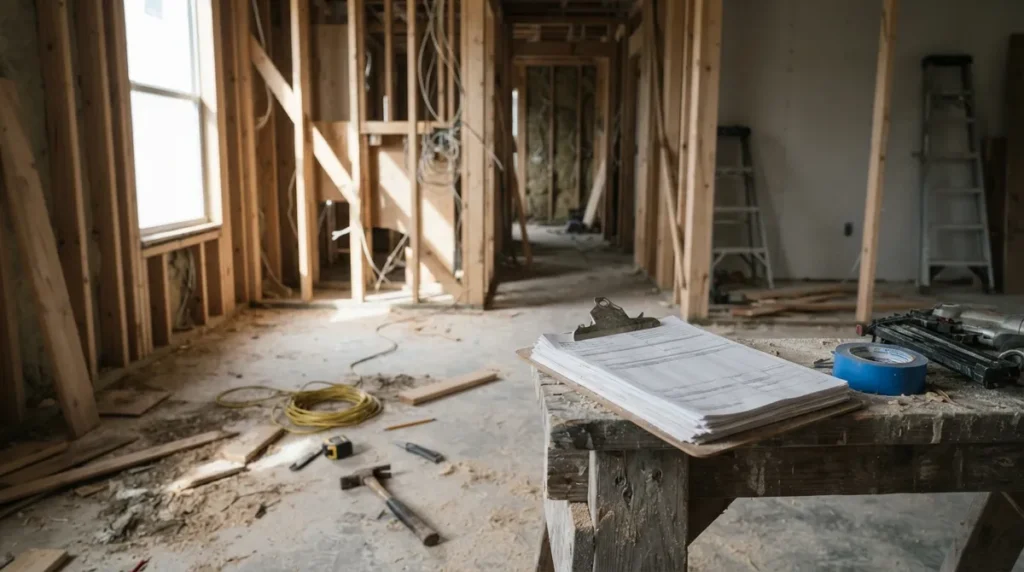
So your contractor disappeared, and now you're staring at half-finished walls, no permit sticker in sight, and a sinking feeling in your stomach. Take a breath — you are not the first Florida homeowner or investor to land here, and you certainly won't be the last. Every year, we hear from folks all over the state who trusted someone with their roof, addition, or remodel, only to have that person ghost them mid-project, leaving behind unpermitted work and a pile of unanswered questions.
Here's the good news: this situation is fixable. It just requires knowing what NOT to do first. Below, we're walking through 13 real mistakes we see people make when a contractor abandons an unpermitted job in Florida, and what smarter moves look like instead. Whether you're a homeowner in Bradenton, a real estate agent trying to close a sale in Tampa, or a general contractor picking up someone else's mess, this guide is for you.
Why Abandoned Unpermitted Jobs Are More Common Than You Think
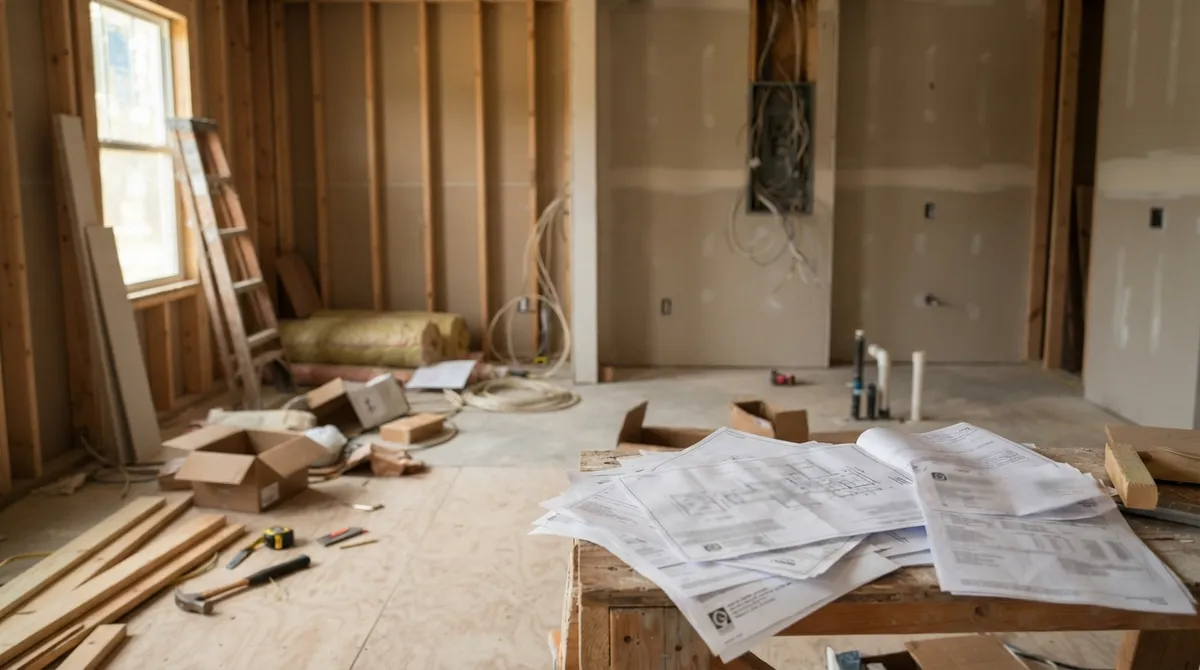
Florida's construction boom has been a blessing and a headache. More projects mean more opportunities for contractors to overextend themselves, lose licensing, or simply walk away when a job gets complicated. According to the Florida Building Commission, unpermitted work remains one of the most common issues flagged during inspections and real estate transactions statewide.
When a contractor vanishes, you're often left holding three problems at once: incomplete construction, no permit on file, and a county that now considers your property out of compliance. That's a stressful combination, but it's also a very solvable one when you know the right steps.
Mistake 1: Assuming You Can Just Finish the Work Yourself
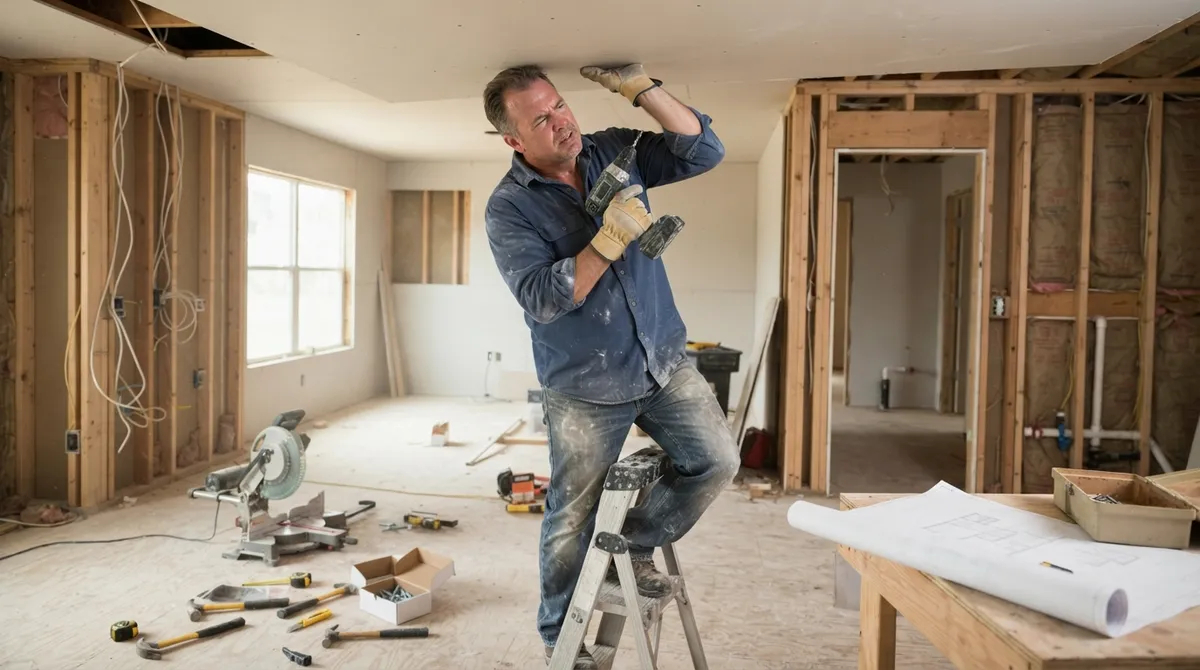
It's tempting to grab a friend or handyman and just "finish it up." But without an active permit, any additional work only adds to the violation. Florida code compliance officers don't care who swings the hammer — they care whether the work was inspected and approved at each stage.
Mistake 2: Waiting Too Long to Report the Abandonment
Many owners wait months hoping the contractor will resurface. Meanwhile, the county's open permit (or lack of one) sits there accumulating fines. The sooner you address it, the fewer penalties you'll rack up. Florida statute allows homeowners to file complaints against licensed contractors who abandon projects, but timing matters for both legal and permitting purposes.
Mistake 3: Not Pulling an Open Permit Search First
Before you do anything else, you need to know exactly what's on file with your local building department. Sometimes a permit was pulled but never finaled. Other times, nothing was ever filed at all. Our Open Permit Search tool helps you quickly figure out where things stand so you're not guessing.
Mistake 4: Guessing Which Jurisdiction Controls Your Project
Florida has 67 counties and more than 400 municipalities, and the lines aren't always where you'd expect. A property near a city border might actually fall under county jurisdiction, or vice versa. Our Building Department Lookup tool takes the guesswork out of it.
Common Jurisdiction Mix-Ups We See
- Homes near city-county boundary lines assuming the wrong authority applies
- Unincorporated areas mistaken for city jurisdiction
- Multiple overlapping agencies (county building, fire marshal, environmental) not being identified early
- HOA requirements confused with actual permitting requirements
Mistake 5: Hiring Someone New Without Reviewing the Existing Scope
Jumping straight to a new contractor without reviewing what's already been built (correctly or incorrectly) can create bigger problems. A structural engineer or drafter needs to evaluate the existing work first, especially if walls, electrical, or plumbing were already installed without inspection.
Mistake 6: Not Getting an Engineer Letter When You Need One
If unpermitted work is already in place, most building departments will require an engineer's evaluation before they'll consider an after-the-fact permit. This is where engineer letters come in — they document that the existing construction meets code, or outline what needs correcting.
| Situation | What's Typically Required |
|---|---|
| Framing installed, no inspection | Structural engineer evaluation + engineer letter |
| Electrical/plumbing roughed in | MEP inspection and possible exposure of work |
| Roof partially replaced | Roof permit application + engineer letter if sheathing was closed up |
| Addition foundation poured | Structural review, soil/footing verification |
Mistake 7: Trying to Handle the After-the-Fact Permit Alone
After-the-fact permits are notoriously more complicated than standard applications. They often involve additional fees, mandatory inspections of concealed work, and sometimes even opening up walls that were already closed. Our after-the-fact and expired permits service exists specifically because we take on the files other companies decline.
Mistake 8: Ignoring Code Compliance Notices
Once a neighbor complains or an inspector notices unpermitted work, you may receive a code compliance notice. Ignoring it almost always makes things worse — fines accumulate, and in some counties, liens can be placed on the property. Our team handles code compliance violations regularly and can help you respond before deadlines pass.
Mistake 9: Not Verifying the New Contractor's Registration
Before hiring anyone to pick up where the last person left off, confirm they're properly registered with your local municipality. Florida requires contractors to register locally in addition to holding a state license. Use our Contractor Registration Checklist to verify credentials before signing anything.
Steps to Verify a New Contractor
- Check state licensing status through the DBPR
- Confirm local municipality registration
- Ask for proof of insurance and workers' comp
- Request references from recent permitted projects
- Verify they're comfortable working with an existing after-the-fact permit situation
Mistake 10: Overlooking Real Estate Implications
If you're selling or buying a property with unpermitted work, this issue can absolutely delay or derail a closing. Title companies and buyers' attorneys routinely check for open or missing permits. If you're a realtor navigating this, our realtor and closing support service is built exactly for this scenario, and it pairs well with our guide on what to do when an open permit is found at closing.
Mistake 11: Forgetting About Certificate of Occupancy Requirements
Even after the physical work is corrected, you may still need a final Certificate of Occupancy or Certificate of Use before the property is considered legally compliant. Skipping this step means you're still technically in violation, even if the construction itself looks fine. Learn more about the difference in our article on Certificate of Occupancy vs Certificate of Use.
Mistake 12: Not Using a Private Provider When Timelines Are Tight
Standard building department review queues can take weeks, sometimes months, especially in busier counties like Miami-Dade or Broward. If you're under pressure — say, a closing date or an insurance deadline — a licensed private provider plan review can move things along dramatically faster.
| Review Method | Typical Timeline | Best For |
|---|---|---|
| Standard county review | 3–8 weeks | Non-urgent projects |
| Private provider review | Days to 1–2 weeks | Time-sensitive closings, urgent rescues |
| After-the-fact review | Varies, often longer | Correcting existing unpermitted work |
Mistake 13: Not Calling for Urgent Permit Rescue Soon Enough
If your project has a stop work order, a denial, or a looming closing date, don't wait until the last minute. Our urgent permit rescue service was built for exactly this kind of emergency — we jump in, assess the jurisdiction, and start working the file immediately, day or night.
How the Process Typically Works
When someone reaches out to us after a contractor abandonment, here's the general path we follow:
- Identify the correct jurisdiction and pull all existing permit records
- Assess the unpermitted work with our in-house structural or MEP engineers
- Prepare or revise plans and drawings as needed, sealed in-house
- File the after-the-fact permit application or resume the existing one
- Coordinate plan review, whether through the county or as a private provider
- Schedule inspections for concealed work, framing, electrical, and plumbing
- Push the project through to Certificate of Occupancy or Certificate of Use
Because our drafting and engineering teams are in-house, we're not waiting on an outside consultant when a reviewer flags a correction. That alone often shaves weeks off the process compared to piecing together separate vendors.
Who Benefits Most From This Kind of Support
- General contractors stepping into someone else's abandoned project who need clean documentation fast
- Solar companies inheriting installations where structural permitting was never completed
- Realtors and investors trying to close on a property with unresolved permit history
- Homeowners who simply want their home safe, legal, and off the county's radar
- Architects and designers needing outsourced drafting to correct plans quickly
No matter which category you fall into, the path forward usually starts the same way: figure out what's actually on file, get an honest assessment of the existing work, and move fast on the paperwork before penalties or closing deadlines pile up.
A Quick Word on Local Experience
We've handled these situations from St. Petersburg to Jacksonville, and everywhere in between. Local knowledge matters here — a Pinellas County inspector and a Duval County inspector won't always want the same documentation, and knowing that upfront saves you a resubmittal or two. You can browse our full list of Florida counties we serve to see how we approach permitting in your specific area.
Curious what other homeowners and contractors have experienced working with us? Feel free to visit us on Google — 1 Contractor Solutions to read real reviews, or check out our reviews page directly on our site. You can also follow us on Facebook or follow us on LinkedIn for ongoing updates about Florida permitting changes.
Bringing It All Together
Dealing with an abandoned, unpermitted project in Florida is genuinely stressful, but it's not a dead end. The mistakes above almost always come from rushing, guessing, or waiting too long — not from the situation itself being unsolvable. With the right jurisdiction research, an honest structural evaluation, and a permitting team that can move fast on corrections, most of these files get resolved far quicker than owners expect.
If you're staring down an abandoned job right now, you don't have to untangle it alone. Our team at 1 Contractor Solutions has spent more than 15 years handling exactly this kind of file across all 67 Florida counties, and we genuinely enjoy being the ones who say "yes, we can fix this." Ready to get your project back on track? Get a free quote today and let's figure out your next step together.
FAQs
What should I do first if my Florida contractor abandoned an unpermitted job?
Start by pulling an open permit search to see exactly what's on file with your local building department. From there, you'll know whether you're dealing with a lapsed permit, a missing one, or work that was never inspected at all. That first step shapes everything else you do next.
Can I get an after-the-fact permit if the work is already done?
Yes, in most Florida jurisdictions you can pursue an after-the-fact permit, though it typically requires an engineer's evaluation and sometimes exposing concealed work for inspection. It's more involved than a standard permit, but it's absolutely doable with the right documentation.
Will unpermitted work stop me from selling my house?
It can definitely slow things down or hold up closing, since title companies and buyers routinely check for open or missing permits. The good news is that resolving it before listing, or working with realtor closing support during the sale, usually keeps things moving without losing your buyer.
How long does it take to fix an abandoned unpermitted project?
It really depends on the scope of work and the jurisdiction, but private provider review can shrink timelines from months down to days or weeks in many cases. Every county moves a little differently, which is why knowing your exact jurisdiction upfront saves so much time.
Do I need a new contractor before I can fix the permit issue?
Not necessarily right away. Permitting and engineering evaluation can often start before you've hired a new contractor, so you understand the full scope of correction needed before signing anyone up for the physical work.
We do this work every day across all 67 Florida counties. Call (866) 314-6931 and we will tell you what your situation actually requires — including when you do not need us.
Related services
Permit Facilitation & Filing
You have a crew scheduled, a client asking for dates, and a permit sitting somewhere in a queue you cannot see. We file it, w…
See the servicePlan Review Coordination
A permit in plan review is not one queue. On a commercial project it can be six queues, each with its own reviewer, its own c…
See the serviceReady to get your permit moving?
One call tells you which jurisdiction controls your project, what it will take, and what it will cost. Most of the time we can scope it on the phone.